


Choosing a Practice Platform
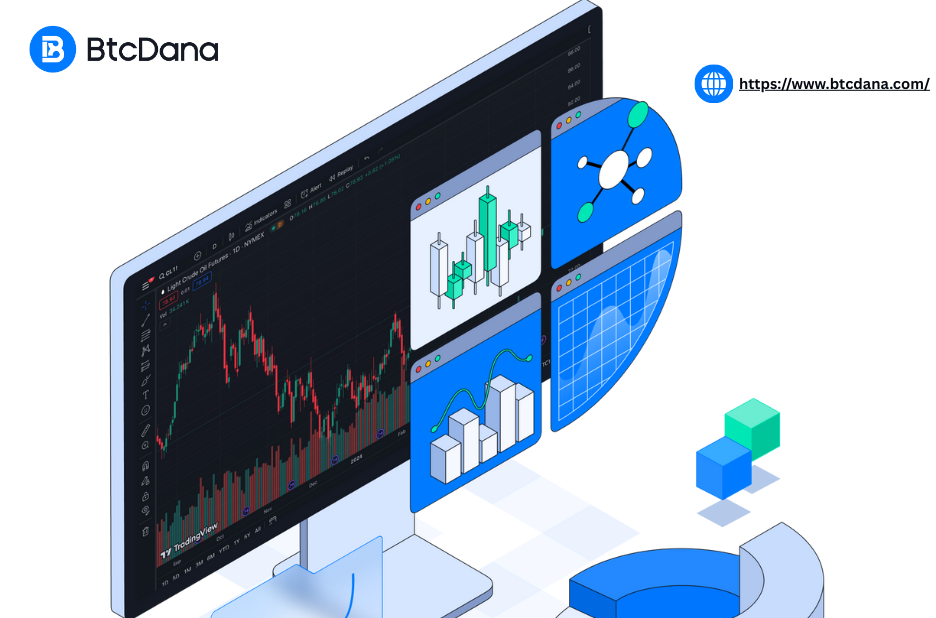
A solid way to start learning the markets is by using a practice environment that mirrors real trading conditions. A well designed platform offers real time data, simulated funds, and order types that behave like live trading. This helps newcomers understand how orders are filled, how spreads affect costs, and how demo account for trading different assets move throughout a session. Look for interfaces that are intuitive, offer helpful tutorials, and provide access to a broad range of instruments so you can explore without risking capital. Start small, capture your learnings, and build confidence before committing real money.
Setting Clear Educational Goals
Before you log any trades, outline what you want to learn. Whether it is mastering risk management, testing a specific strategy, or simply familiarizing yourself with the trading platform, clear goals keep practice focused. Track your progress with metrics like win rate, average hold time, drawdown, and return on virtual capital. Periodically review decisions to identify patterns, refine entry and exit criteria, and adjust expectations as you gain new insights. Consistency beats flashy results in practice.
Configuring Risk Controls and Rules
Even in a demo environment, applying sensible risk controls teaches discipline. Set daily loss limits, max position sizes, and stop loss rules that reflect your real world plan. Use verified data and realistic slippage settings to simulate execution challenges. Consistently enforce risk parameters so you get a true feel for how risk management supports long term success. This is where practice translates into dependable behavior under pressure.
Testing Strategies Across Markets
Demonstrate the versatility of your approach by testing across multiple asset classes and timeframes. A good practice account supports equities, forex, indices, and commodities, letting you compare how a strategy performs under different conditions. Pay attention to liquidity and volatility, as these factors influence fills and slippage. Document how your method adapts to changing market regimes and which signals tend to hold up under stress.
Tracking Performance and Learning
Maintain a structured journal that records entries, exits, rationale, and post trade analysis. Use visuals like equity curves and trade distribution to spot strengths and weaknesses. Regularly revisit your goals and adjust your plan based on documented outcomes. The goal is continuous improvement, turning every simulated trade into practical knowledge that translates to real trading skills and better decision making when you move beyond the demo account for trading.
Conclusion
Practicing with a demo account for trading builds familiarity with platforms, tools, and market dynamics while preserving capital. Focused goals, disciplined risk rules, and thorough performance reviews turn practice into practical expertise, preparing you for real-money trading with greater confidence.
5 Comments
Pingback: order APE magic mushrooms Liechtenstein
Pingback: William Hill ผู้ให้บริการรับพนันเจ้าใหญ่ วิลเลียมฮิลล์ ที่เซียนพนันอยากสัมผัส
Pingback: เว็บสล็อตเว็บตรงวอเลท บริการเกมสล็อตเว็บตรงแท้
Pingback: filtrare ulei
Pingback: Boerefijn Tech