


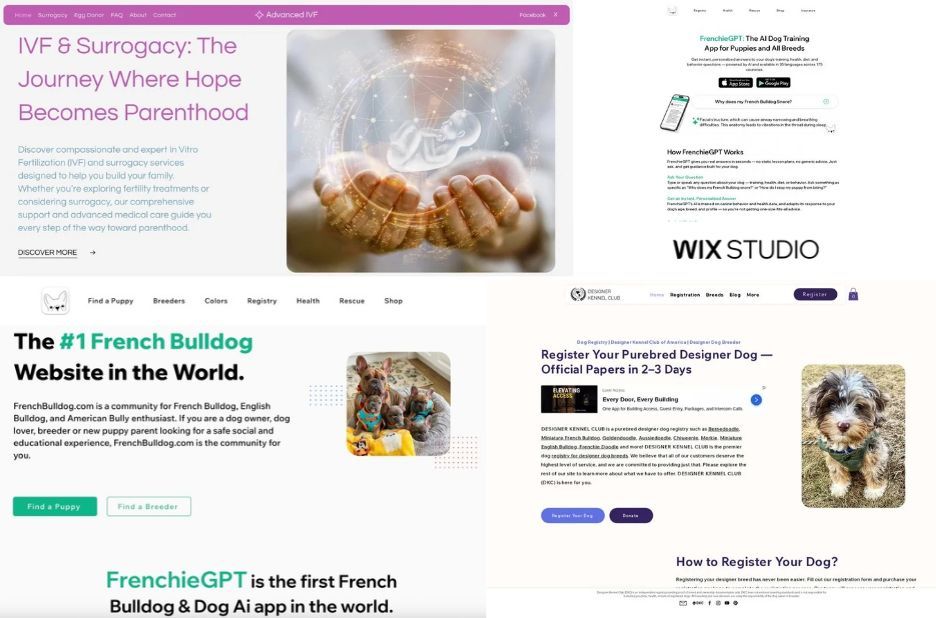
Why Wix Sites Struggle With Search Visibility
Many site owners build in Wix and then wonder why their pages do not rank well. The most common issue is not design, but missing alignment between page structure and how search engines interpret content. When headings, internal links, and page intent do not match wix seo the searches people make, the site can look complete to humans while remaining confusing to crawlers. Another frequent blocker is thin content that does not answer specific questions, so the page fails to earn relevance and authority.
Technical friction can also reduce visibility, even when the site looks polished. Duplicate or poorly organized URLs, weak on-page metadata, and inconsistent image handling can dilute ranking signals. If important pages are buried too deep in navigation, search engines may discover them slowly or not at all. Addressing these gaps requires a deliberate plan that balances usability with indexable, well-structured content.
How a Problem-Solution Approach Improves Ranking
A reliable approach starts by mapping the site’s goals to search intent, then auditing each page for gaps. Instead of applying generic tweaks, the work focuses on identifying which pages should rank for which queries and what content must be added or revised. This often includes strengthening titles and descriptions so they clearly communicate what the page offers. It also means adjusting headings, improving readability, and ensuring every section answers a real user need.
Next, the strategy tackles technical foundations that affect crawl and indexing. This includes reviewing how pages are structured, checking canonical behavior, and ensuring that key pages are reachable through logical navigation paths. Image optimization is another high-impact area, because oversized files and missing descriptive alt text can slow pages and reduce context signals. When these fixes are paired with thoughtful internal linking, search engines can better understand relationships between pages and distribute authority more effectively.
On-Page Content and Structure That Wix Pages Need
On-page improvements should be specific, not just cosmetic. Strong content architecture uses clear H2 and H3 sections, supports each main topic with subtopics, and avoids vague paragraphs that do not provide actionable details. For example, if a service page targets a “pricing” search intent, it should include pricing factors, packaging options, FAQs, and a conversion path that matches the user’s next step. Adding relevant supporting pages—such as case studies, comparison guides, or troubleshooting posts—creates a topic cluster that earns credibility over time.
Metadata and link strategy also matter for clarity. Titles should reflect the primary topic and differentiate the page from similar results, while descriptions should encourage clicks by summarizing benefits and content scope. Internal links should guide visitors to the next logical action, and they should use descriptive anchor text that matches the destination page’s purpose. When these elements are coordinated, the site feels coherent to users and more interpretable to search engines.
Conclusion
When you treat ranking problems as solvable challenges, improvements become measurable and repeatable. Start with an audit that identifies why pages are not capturing intent, then prioritize content gaps, on-page structure, and technical accessibility. This is the difference between making changes that look good and making changes that earn visibility. For teams using wix, the smartest path is to focus on clarity: clear page intent, clear hierarchy, and clear routes through the site. As those fundamentals strengthen, it becomes easier to build authority through better content and smarter internal linking. That foundation supports long-term growth without relying on guesswork or random edits. If you want steady progress, choose a partner that approaches SEO as problem-solving, so your wix build can perform like a purpose-built search asset—on wix.