


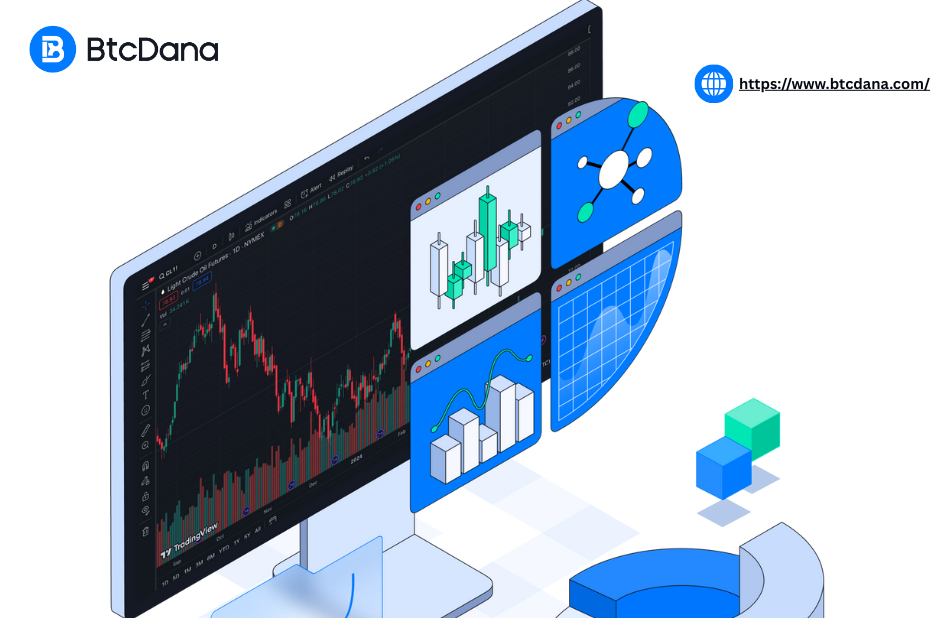
Getting started with practice funds
For new traders, a dedicated practice environment can reduce risk while sharpening skills. A well designed platform lets you explore order types, charting tools, and real time data without risking real money. Begin by creating a free, simulated profile and funding it with a virtual balance. This demo account trading setup gives you the chance to experiment with different strategies, test risk controls, and learn how markets respond to news, events, and volatility. The goal is to build familiarity with the tools and workflow before moving to real trading decisions.
Choosing a reliable platform
Not all practice accounts offer the same experience. Look for platforms that provide realistic spreads, latency, and execution feedback. A good option should include guided tutorials, a responsive mobile interface, and a transparent fee structure, even in demo mode. Compare chart types, indicators, and drawing tools so you can replicate your future live trading routine. Read reviews and try a few platforms to determine which environment feels intuitive and stable for long sessions.
Developing a practical routine
Consistency is key when learning to trade. Create a routine that includes market scanning, idea generation, risk checks, and post trade reviews. Schedule daily time to monitor symbols you care about, test entry criteria, and journal outcomes. Use the demo environment to stress test entries under different market conditions, such as trending, range bound, and sudden price jumps. Building a simple, repeatable process helps you stay disciplined.
Managing risk without real capital
Even in a simulated setting, risk management matters. Practice setting stop losses, position sizing, and drawdown limits to prevent bad habits from forming. Observe how small changes in leverage or order type affect outcomes. A thoughtful approach to risk helps you translate what you learn into more prudent decisions when you switch to live trading. Use the data from demo performance to refine your plan step by step.
Putting knowledge into action
When you feel ready, translate your practice results into a live plan with well defined objectives, acceptable risk, and clear exit rules. Start with a conservative position size and gradually scale as your confidence grows. Keep tracking your performance and update your strategy to reflect the evolving market environment. The transition from virtual practice to real trading should feel incremental and controlled, not rushed.
Conclusion
Regular use of a demo account trading environment builds familiarity with the markets, tools, and decision making. Stay methodical, document your findings, and progressively test more advanced strategies as you gain experience. The goal is to arrive at a solid, repeatable process you can trust when real money is on the line.
5 Comments
Pingback: 789wing
Pingback: thÆ°Æ¡ng hiá»u ná»i tiếng
Pingback: buy diclazepam
Pingback: Sportsbook bonuses
Pingback: pet treats