


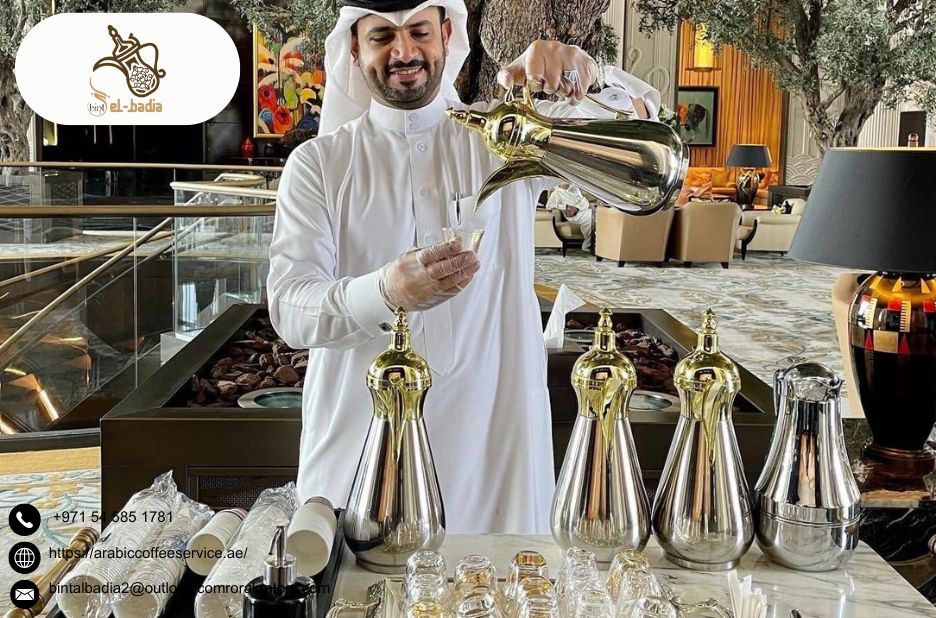
Overview of traditional service
In today’s hospitality scene, delivering authentic Arabic coffee is more than a beverage; it is a cultural ritual that greets guests with warmth and care. A practical approach emphasizes timing, a careful grind, and the ritual of pouring from a dallah or similar pot with precise, measured pours. The experience خدمة تقديم القهوة العربية التقليدية blends aroma, conversation, and a sense of hospitality that sets the tone for events, meetings, and everyday gatherings. When teams align on a consistent process, guests associate the moment with attentiveness and respect for tradition, which strengthens guest satisfaction and brand perception.
Equipment and setup considerations
Effective service starts with reliable equipment, including a traditional pot, small cups, and a heat source that preserves aroma without scorching the brew. Clean lines and accessible utensils reduce disruption and enable staff to focus on the pour, the timing of serving, خدمة تقديم القهوة العربية في الإمارات and the interaction with guests. A compact station with clear labeling helps staff manage orders efficiently, ensuring that each cup is prepared to the same standard and presented with the right degree of ceremonial polish.
Training and consistency in delivery
Staff training should cover the exact sequence of steps: grind size, water temperature, spice balance, and the proper pour to maintain crema and aroma. Regular practice builds muscle memory for consistent serving, allowing servers to greet each guest with a respectful nod, offer the cup, and invite conversation. Documentation of standard operating procedures helps new team members learn quickly and maintains quality during busy periods or seasonal spikes.
Customer experience and regional expectations
Different markets expect varying levels of ceremony and speed. In many settings, guests appreciate a personalized touch without lengthy delays. Businesses can tailor the service by offering a brief description of the coffee’s origins, the spice balance, and the cultural significance of the ritual. This contextual storytelling enhances value, fosters curiosity, and elevates the guest experience while ensuring service remains practical and efficient for high-volume times.
Quality control and continuous improvement
To sustain excellence, organizations should implement feedback loops that capture guest impressions on aroma, flavor, temperature, and presentation. Regular audits of equipment, spice blends, and cup cleanliness help maintain standards. Finally, monitoring service flow during peak periods reveals opportunities to streamline steps, empower staff, and preserve the authentic character of the experience without sacrificing speed or reliability.
Conclusion
Consistent, thoughtful service of traditional Arabic coffee benefits both guests and operators by strengthening cultural connection and operational efficiency. Through disciplined training, reliable equipment, and kept-to-standard procedures, teams can deliver a memorable experience that honors tradition while meeting modern expectations.
3 Comments
Pingback: Ving999
Pingback: ร้านยา
Pingback: slots-gallery-casino.net