


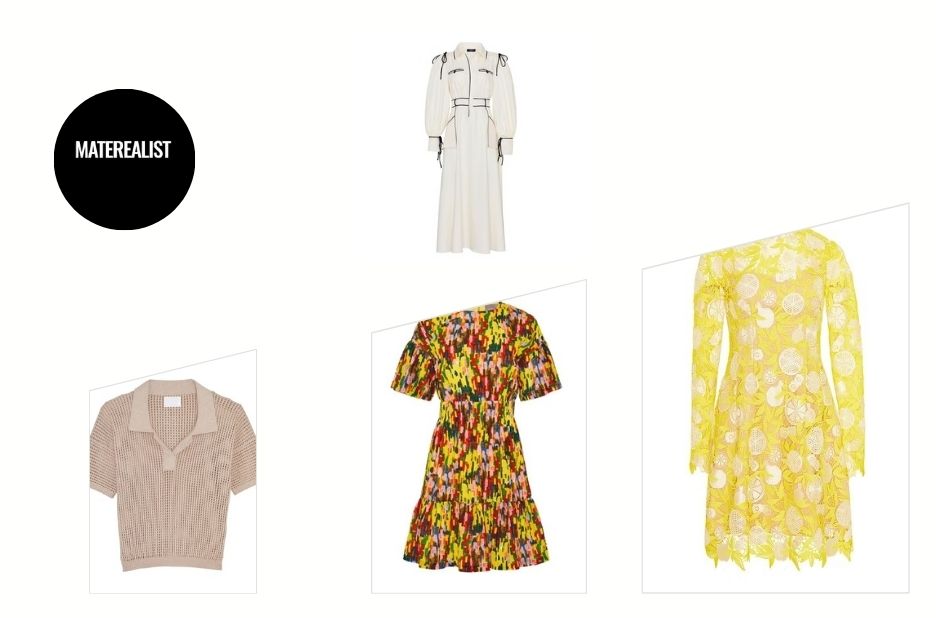
Overview of the scene
In a bustling city known for its creative energy, fashion photography production NYC demands a blend of logistics, artistry, and on set efficiency. The core task is coordinating talent, sets, lighting, and wardrobe to deliver striking images within tight schedules and often restricted shoot windows. Creative briefs guide the mood, while actor calls and studio Fashion photography production NYC bookings shape the timeline. Production teams must anticipate weather, permit needs, and backup plans for locations. A practical approach balances ambition with realism, ensuring each element aligns with the brand’s vision while maximizing the available time and resources on location or in a studio space.
Key roles and responsibilities
Successful shoots hinge on clear communication among a core crew that includes a director, lead photographer, stylist, and producer. The stylist curates the wardrobe to fit the hue and texture of the set, while the makeup artist and hair stylist craft the final look. The producer anchors planning, negotiating permits, renting gear, and managing budgets. A skilled first assistant helps with lighting adjustments, grip work, and on set safety. This collaborative rhythm keeps the day moving smoothly and helps translate a creative concept into tangible, high-quality frames.
Planning and logistics
Preparing for a fashion shoot in New York involves securing a suitable location, arranging permits if needed, and coordinating talent schedules. Creative briefs are turned into shot lists and mood boards, guiding decisions about lenses, lighting, and wardrobe changes. Equipment choices matter, with professionals often balancing high-end cameras, modifiers, and backdrops to achieve the desired depth and texture. Contingency plans cover power outages, last-minute changes, and weather shifts, ensuring the production remains adaptable without sacrificing the artistic goal or client deadlines.
On set workflow and safety
On any production day, a well-structured on set workflow minimizes downtime and protects crew safety. Roles are clear, with a designated assistant for each major area—lighting, camera, and wardrobe. Lighting choices are dictated by mood, with modifiers to sculpt faces and highlight fabrics. Communication channels stay open through team briefs, walkie-talkies, and signal systems. Safety protocols cover electrical gear, heavy stands, and set movement to prevent accidents. Efficient pacing helps capture essential looks while maintaining a comfortable environment for the talent.
Creative direction in a fast moving market
In a market driven by trend cycles, photographers adapt concepts to current palettes, textures, and silhouettes. The production process blends fashion sensibility with technical discipline, seeking clean, magazine-ready results. Clients value images that feel authentic yet aspirational, with a crisp color pipeline and precise retouching plans. The team continuously tests lighting setups and camera angles, capturing multiple takes to ensure flexibility in post-production. This iterative approach helps translate a bold concept into a polished editorial story, even when schedules tighten around a tight timeline.
Conclusion
In the end, a strong fashion photography production NYC strategy combines meticulous planning with creative flexibility to deliver compelling images on deadline. A well-structured crew, clear roles, and adaptable logistics streamline the day from concept to final selects. By maintaining open communication and a calm workflow under pressure, teams can preserve the artistic integrity of the shoot while meeting client expectations. Materealist