


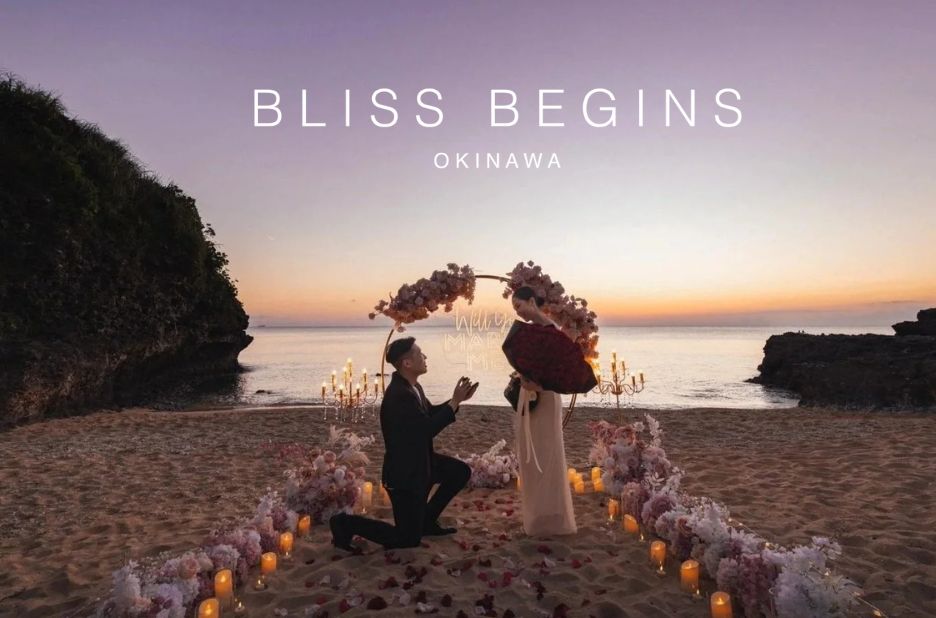
Overview of the planning phase
Embarking on Okinawa proposal planning requires a clear understanding of objectives, stakeholders, and timelines. Start by mapping the desired outcomes and identifying who will be involved from the outset. Gather essential details such as budget constraints, venue options, and guest lists. This stage Okinawa proposal planning sets the tone for all subsequent decisions, so meticulous record keeping and transparent communication are essential. By framing the project with practical milestones, you can track progress, anticipate challenges, and adjust plans without derailing core aims.
Assessing local options and logistics
Evaluating Okinawa based venues, suppliers, and services is a core aspect of effective proposal planning. Consider accessibility for guests, seasonal availability, and cultural considerations that may influence the mood and flow of events. Visit potential sites when possible, compare quotes, and align them with the overarching theme. A pragmatic approach to logistics ensures smooth execution and reduces stress as deadlines approach, allowing creativity to flourish within realistic constraints.
Engaging stakeholders and defining roles
Success hinges on clear roles and open lines of communication. Assign responsibilities early, from venue coordination and catering coordination to technical support and guest management. Establish regular check-ins, preferred channels, and decision rights to keep everyone aligned. When teams understand their contributions, collaboration improves, and potential friction points are addressed before they escalate, preserving momentum across the project timeline.
Budgeting, risk management and timing
Okinawa proposal planning benefits from a disciplined budgeting process that forecasts costs and buffers for contingencies. Create a line-by-line budget, track expenditures, and implement approvals for any deviations. Identify risks such as weather, supplier delays, or permit requirements, and outline mitigation strategies. A realistic timetable with built-in milestones helps the team stay on track, ensuring resources are available when needed and decisions are made promptly.
Midpoint review and creative refinement
Halfway through the project, pause to review progress against goals, refine creative elements, and confirm logistics. This is the moment to adjust messaging, fine-tune guest experiences, and revalidate the timeline. Solicit feedback from key stakeholders, then translate insights into actionable changes. Maintaining momentum here prevents last-minute scrambles and keeps the plan aligned with its original intent.
Conclusion
This guide supports practical, disciplined Okinawa proposal planning that balances ambition with feasibility. By laying out objectives, assessing local options, defining roles, and safeguarding the budget, you build a solid foundation for success. Visit blissbegins for more ideas on smooth event planning and related resources.