


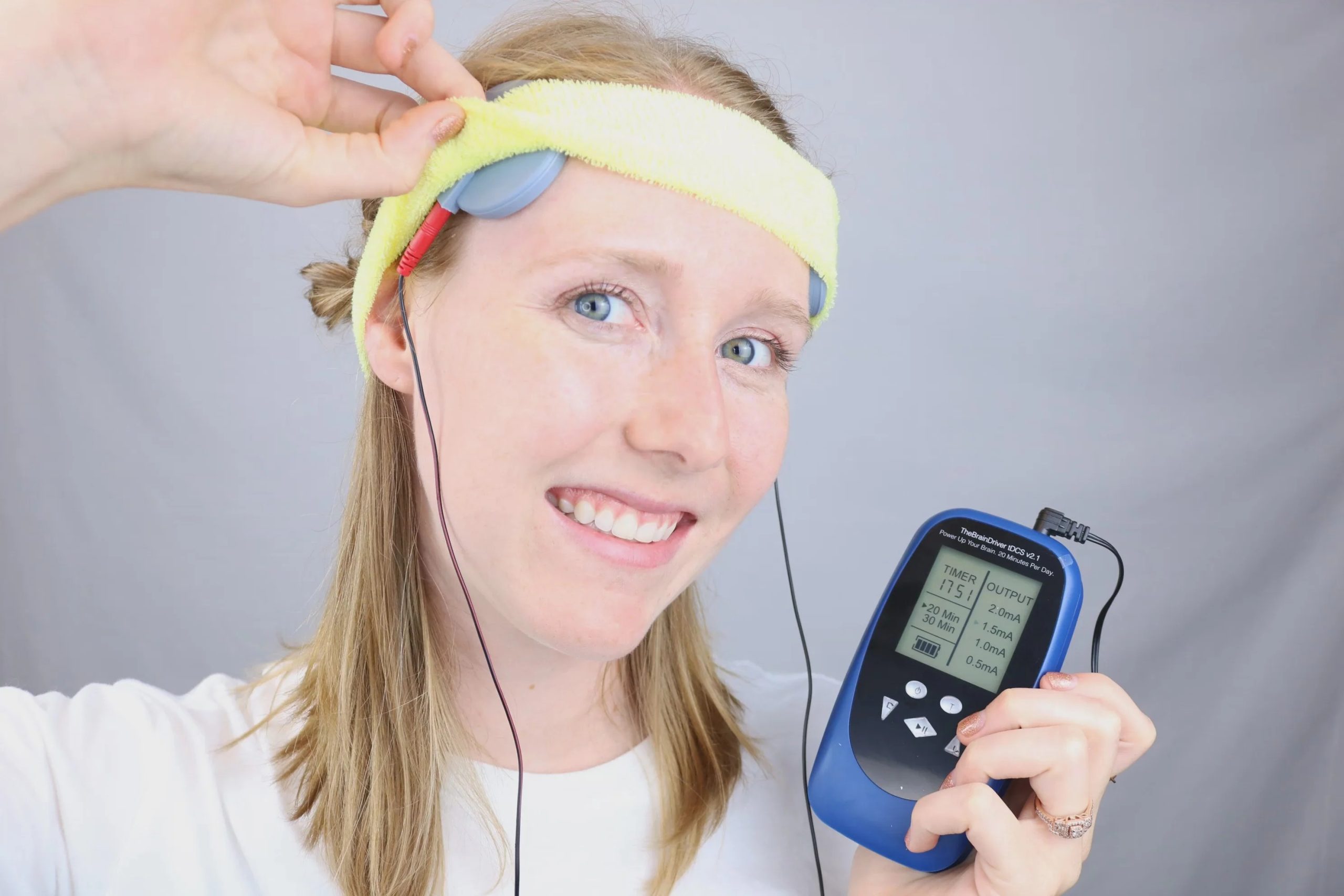
What is non invasive brain stimulation
Non invasive brain stimulation methods have gained attention for their potential to modulate neural activity without surgery. Tdcs is one such technique that uses tiny electrical currents to influence cortical excitability. Researchers continue to investigate how small, controlled currents can affect mood, attention, and learning. While early findings Tdcs are promising, the effectiveness depends on parameters like intensity, duration, and placement. For individuals curious about starting points, it is essential to consult credible sources and healthcare professionals to understand benefits, risks, and realistic outcomes before considering any home use.
Choosing a device for home use
When exploring options for a Portable Brain Stimulation Device, prospective buyers should prioritise safety features, clear usage guidelines, and validated claims. Portable designs often aim for user convenience, offering adjustable intensity and session timers. It is important to review certification marks, manufacturer instructions, and warranty Portable Brain Stimulation Device terms. Given the delicate nature of brain stimulation, devices should be used exactly as directed and not with concurrent substances or activities that could raise risk. Clear, evidence based information supports safer, more informed decisions for personal use.
Guidance for safe practice
Safe practice hinges on adhering to dosage recommendations and avoiding continuous use beyond advised limits. Tdcs protocols typically involve short sessions and specified intervals, with attention to electrode placement to target intended neural regions. Users should avoid self experimentation that deviates from established guidelines. If any discomfort, dizziness, or unusual symptoms occur, discontinue use and seek medical advice immediately. Regular reviews with a clinician can help tailor approaches to individual goals and health profiles.
Scenarios where professional supervision matters
In clinical settings, professionals supervise brain stimulation to ensure the balance between benefit and risk. This includes assessing medical history, medications, and concurrent therapies. For those with neurological or psychiatric conditions, professional oversight is especially important to monitor responses and adjust parameters safely. While at home devices offer convenience, they cannot replace personalised clinical assessment and ongoing monitoring that supports responsible use and maximises potential gains.
Conclusion
In summary, Tdcs and portable devices present intriguing possibilities for non invasive cognitive modulation, provided users follow validated guidelines and seek professional advice when appropriate. The landscape is evolving, with ongoing research refining best practices and safety standards. Visit Thebraindriver for more insights and community perspectives on emerging tools and methods in this field.
2 Comments
Pingback: ติดเน็ต ais
Pingback: แทงหวย24