


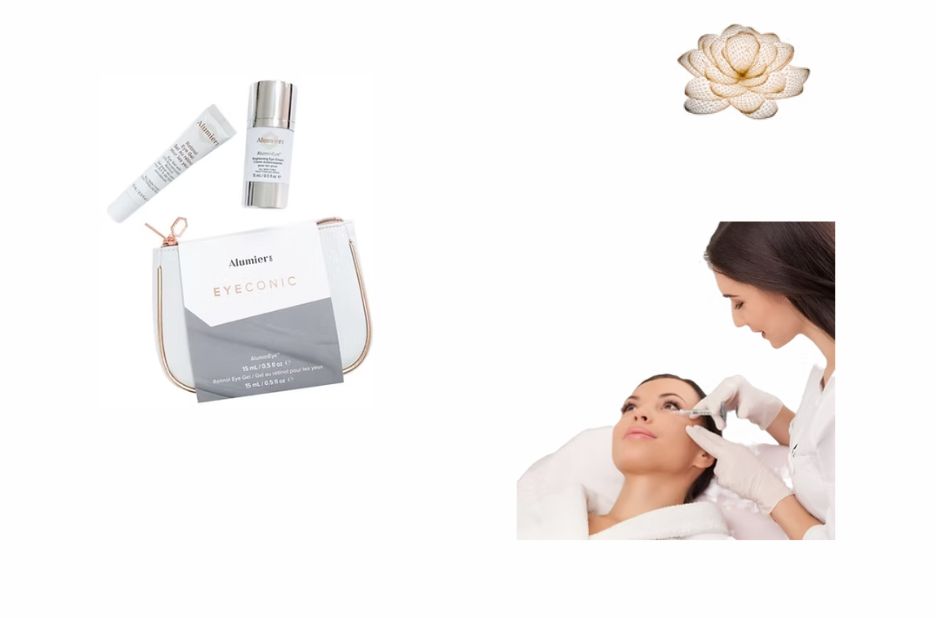
What is fractionated laser skin resurfacing
Fractionated laser skin resurfacing is a modern approach to improve texture, tone and clarity of the complexion. By delivering tiny, controlled laser columns into the skin, it stimulates natural healing while leaving surrounding tissue intact. This principle enables faster recovery and targeted results compared with traditional full-surface methods. Treatments can fractionated laser skin resurfacing be customised for different depths and energy levels to suit individual skin concerns, from fine lines to superficial scar reduction. A clinician will tailor the protocol based on your skin type, goals and medical history for a safer, more predictable outcome.
How a session progresses and what to expect
During a typical procedure a topical anaesthetic may be applied to minimise discomfort. The laser device creates a pattern of microscopic injuries that trigger collagen production and skin renewal. Expected sensations range from warmth to light snapping, often tolerable with modern cooling techniques and numbing fractional laser skin resurfacing gels. Post‑treatment care focuses on hydration and sun protection. Most people experience mild redness and swelling for a few days, with new skin gradually appearing as healing unfolds over one to two weeks depending on the depth treated.
Choosing between fractional laser options
There are several variants within fractional laser skin resurfacing, each offering different penetrations and wavelengths. Superficial treatments target surface irregularities with shorter downtime, while deeper passes address pronounced wrinkles or scars. Your clinician assesses pigment, sensitivity and prior sun exposure to determine the most suitable setting. Regular maintenance sessions might be recommended to sustain improvements and minimise the need for more invasive interventions in the future, especially for ageing concerns and texture irregularities.
Preparing for your treatment and aftercare tips
Before your appointment, avoid sun exposure and certain skincare products that can increase photosensitivity. On the day of treatment, arrive with a clean, makeup-free face and follow any specific instructions regarding medications. Aftercare includes gentle cleansing, application of prescribed ointments, and strict sun avoidance with high‑protection SPF. A gentle skincare routine can support healing, but harsh exfoliants should be paused for several days post‑session. Your clinician will provide a personalised plan, including follow‑ups to monitor progress and adjust future sessions if needed.
Conclusion
Fractionated laser skin resurfacing offers a balanced option for clients seeking noticeable improvements with manageable downtime. By creating targeted micro‑injuries, this technique promotes collagen remodelling and skin renewal, helping diminish fine lines, rough texture and certain types of scarring. Discuss your goals, skin type and any medical considerations with a qualified practitioner to determine the best depth and frequency of sessions. For ongoing advice and support, consider visiting lotusatqueenswaymedical for trusted guidance as you plan your treatment journey.