


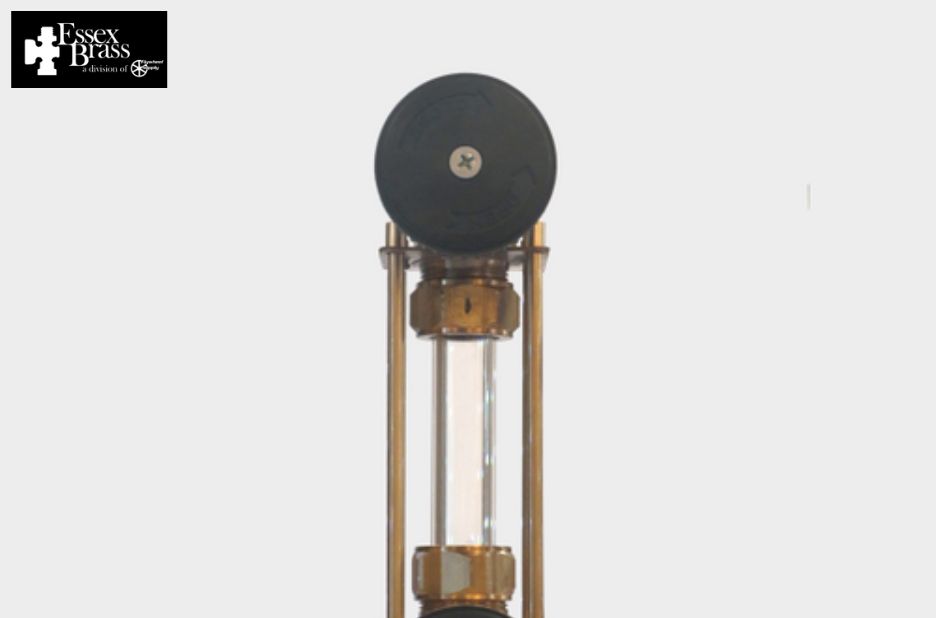
Overview of grease components
For many industries that rely on rotating machinery, the grease cup is a simple yet crucial part of the lubrication system. Selecting the right component involves understanding material compatibility, sealing methods and the operating environment. Buyers should assess the durability of containers, the ease of reloading grease, grease cup suppliers and how well the cup resists corrosion over time. A thoughtful approach reduces maintenance downtime and extends the life of bearings, gears and other moving parts without increasing complexity in the field. Practical evaluation keeps maintenance predictable and cost effective.
Evaluating supplier capabilities
When considering grease cup suppliers, the breadth of product offerings matters as much as the ability to customise. Look for suppliers who provide a range of sizes, grease types, and filling options to match specific machinery. Customer service responsiveness, clear documentation, and transparent pricing help you compare options efficiently. Reliability can also hinge on consistent stock levels and dependable delivery schedules, especially for critical equipment in industrial settings where downtime is costly.
Quality and compliance factors
Quality control is essential, as substandard cups can fail under pressure, causing leaks or contamination. Top suppliers publish material specifications, testing standards and certifications, enabling you to verify compatibility with your lubrication regime. Consider products with threaded caps, robust seals and corrosion resistant finishes. Compliance with industry standards, such as lubrication and mechanical handling guidelines, supports safer and more predictable maintenance cycles.
Practical buying tips
To streamline purchasing, begin with a clear definition of your application: load, speed, temperature, and mounting configuration. Request technical datasheets, installation guides and warranty terms before committing. Compare lead times, after sales support, and return policies. If possible, obtain small pilot orders to validate performance within your own operating environment and gather feedback from maintenance teams who handle daily lubrication tasks.
Market landscape and trends
The lubrication accessories market continues to evolve with a focus on durability, ease of use and modularity. Manufacturers are balancing cost with lifecycle efficiency, offering sealed designs and simpler refilling mechanisms. As industries push for longer service intervals, reliable supplier partnerships become more valuable than ever. Decisions should reflect not only price but the total cost of ownership over the equipment’s life cycle.
Conclusion
In the end, choosing the right partner for grease cup suppliers involves assessing product quality, supplier reliability and practical fit for your machinery. Prioritise durable designs, clear documentation and responsive support to keep lubrication routines smooth. Visit Flywheel Supply for more insights and options related to lubrication accessories.