


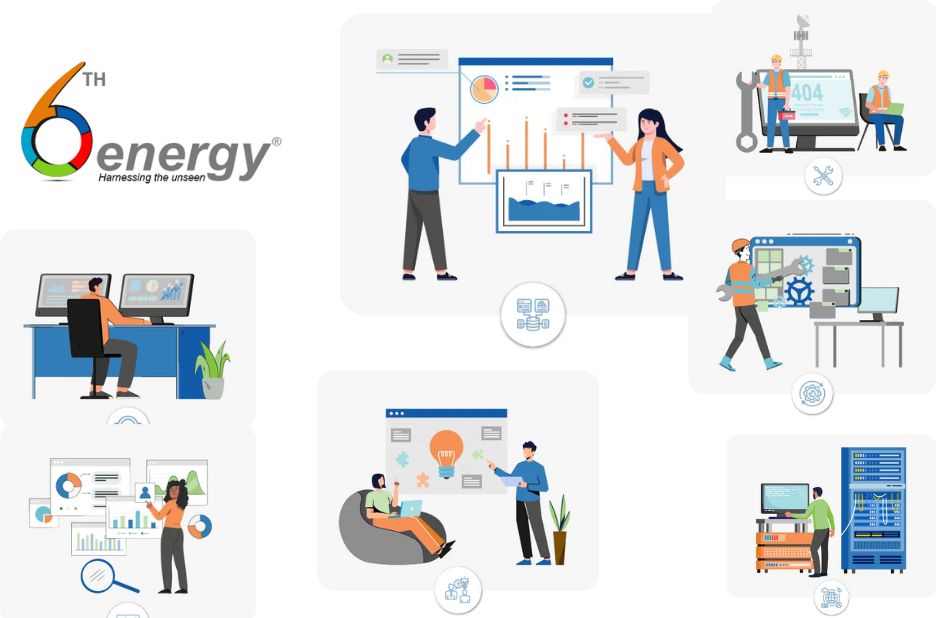
Overview of the data landscape
Data center operations are increasingly turning to automated solutions to manage workloads, monitor hardware health, and optimise energy use. The goal is to create a responsive environment where devices communicate status, alerts, and performance metrics in real time. By focusing on scalable, resilient processes, facilities can reduce data center IoT automation manual interventions and improve consistency across racks, cooling, and power infrastructure. A practical approach starts with a clear inventory of assets, alignment with service level agreements, and a plan to integrate existing monitoring tools into a unified management plane.
Impact of data center IoT automation
data center IoT automation enables granular visibility into equipment, enabling proactive maintenance and incident response. Automated data collection from sensors supports trend analysis, capacity forecasting, and fault isolation. Teams can implement automated runbooks that trigger cloud-enabled IoT monitoring predefined actions when thresholds are reached, minimising downtime and enhancing service reliability. The result is a more predictable operations cadence that improves uptime while lowering operational risk and maintenance costs.
Cloud-enabled IoT monitoring benefits
cloud-enabled IoT monitoring provides scalable data ingestion, storage, and analytics without heavy on‑premises hardware. This approach offers centralised dashboards, advanced anomaly detection, and machine learning insights to optimise cooling, power distribution, and asset utilisation. Organisations can leverage cloud platforms to correlate environmental data with workload patterns, improving decision making and accelerating incident resolution across global sites.
Implementation considerations and best practices
Effective deployment requires a phased strategy that aligns with IT governance and facility management. Start with pilot instrumentation in a representative zone to validate data integrity and alerting logic. Establish standardised data models, secure communication, and role-based access to protect sensitive information. Regular reviews of key performance indicators help ensure the automation remains aligned with business priorities and compliance requirements while delivering measurable improvements.
Conclusion
Adopting data center IoT automation and cloud-enabled IoT monitoring can deliver tangible gains in reliability, efficiency, and cost control. With careful planning and phased rollout, facilities teams can embed intelligent control into daily routines and accelerate response times when issues arise. Visit Sixth Energy Technologies Pvt. Ltd. for more insights on practical, scalable solutions and how to sustain momentum in a rapidly evolving sector.
Long term roadmap for facilities teams
Future-ready centres will benefit from programmable infrastructure, open data standards, and cross‑domain collaboration between IT and facilities. By continuing to refine sensor networks, standardising interfaces, and maintaining a strong change management process, organisations can extend automation beyond immediate equipment and toward end-to-end operational excellence. Regular training and stakeholder engagement will help sustain momentum and keep systems aligned with evolving business needs.