


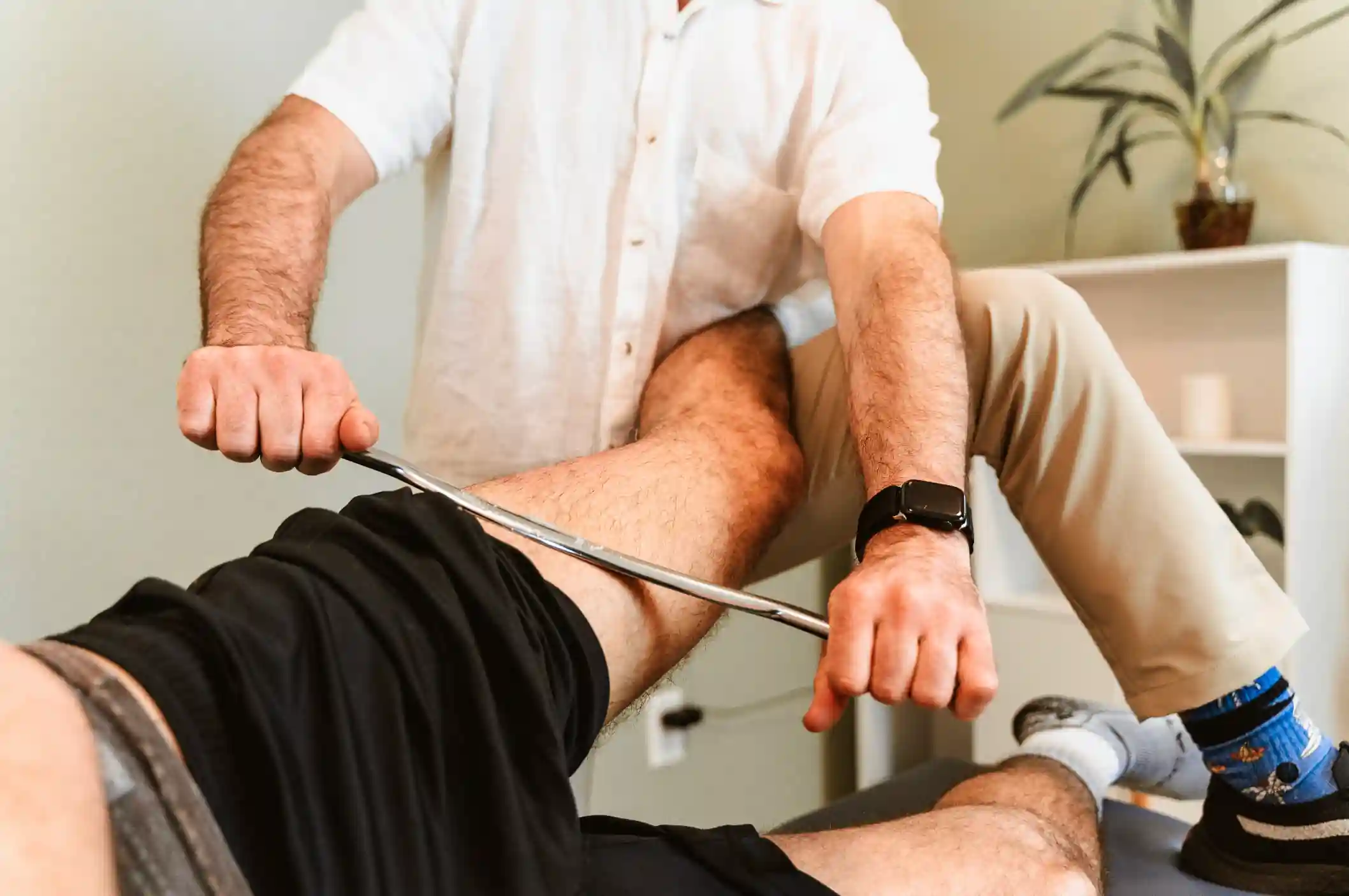
What the plan should cover
When recovering from an injury, a well structured plan helps you regain strength and mobility while reducing the risk of reinjury. A Customized injury rehab exercise program should start with a clear assessment of your current function, pain levels, and activity goals. It should map out progressive steps, including gentle mobility Customized injury rehab exercise program work, gradual resistance, and functional drills tailored to your daily life. Keep a simple journal to track pain scores, range of motion, and any limitations. Regular reviews with a clinician ensure the plan stays aligned with your recovery pace and safety limits.
Tailored movements for healing
Post-injury personalized rehab exercises emphasise controlled, purposeful movement rather than rushed intensity. Begin with low impact activities that promote blood flow and tissue healing, then introduce targeted strength work to restore muscle balance. Emphasise correct technique over duration, and adjust Post-injury personalized rehab exercises every week based on tolerance and feedback. This approach helps protect healing structures while building confidence in your body’s capabilities as you progress toward functional tasks like stairs, lifting, or walking longer distances.
Building gradual load and monitoring progress
A sound plan progresses load carefully to avoid setbacks. Use a schedule that alternates rest days with light activity, and increase resistance or complexity in small, steady increments. Objective measures such as range of motion, strength tests, and functional performance show where you stand and what to tweak. If pain spikes, scale back immediately and recheck your form. Documenting milestones keeps motivation high and demonstrates tangible improvement over time.
Incorporating real world tasks
Integrating practical activities into training makes recovery meaningful. Simulate daily tasks and sport-specific movements within the rehab sessions, so improvements transfer to everyday life. Include stability work for joints prone to aggravation, along with balance and proprioception drills to reduce the chance of future injuries. A personalised approach considers your job demands, hobbies, and any current medical considerations, ensuring the program remains realistic and sustainable.
Practical tips for staying on track
Set attainable short term goals and reward small wins to sustain momentum. Schedule sessions at consistent times and remove common barriers to adherence. Prioritise sleep, hydration, and nutrition as they significantly influence recovery. Seek professional support when adjustments are needed or if warning signs appear, such as unusual swelling, persistent numbness, or new sharp pains. The aim is steady progress and confidence in returning to full activity.
Conclusion
In summary, a successful recovery hinges on a thoughtful program that balances rest, movement, and gradual load. This approach resonates with both your body and your daily life, making progress durable and meaningful. For additional guidance and similar tools, you might explore resources offered by The ChiropractOrr.
4 Comments
Pingback: Western Sex
Pingback: https://laghuudyog.bloggersdelight.dk/2026/04/23/олимпбет-отзывы-правда-о-популярном-к/
Pingback: live casinos
Pingback: https://azino777-mobile.innomotion.kz