


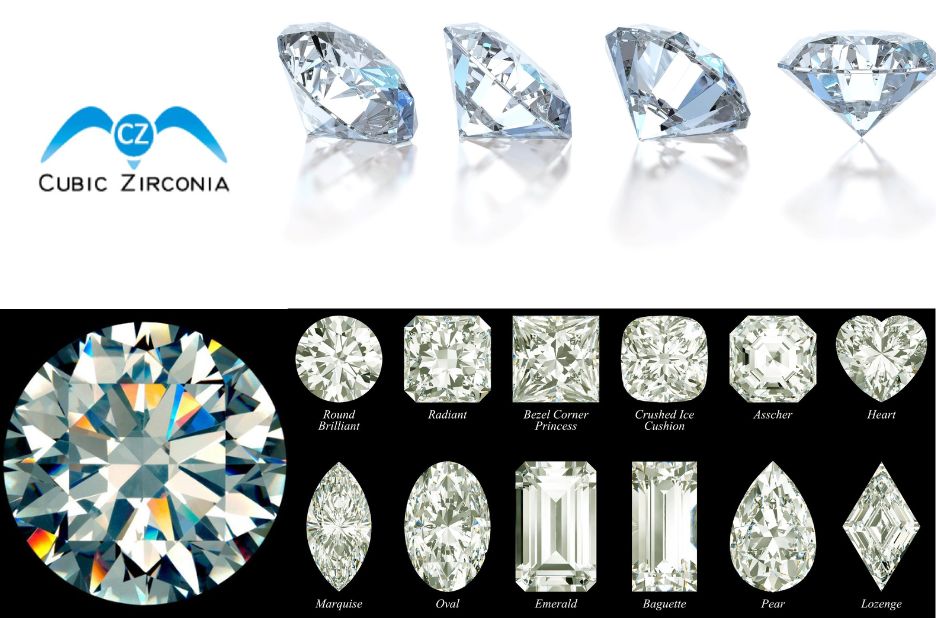
Overview of lab grown gems
The modern jewellery market increasingly features stones created through controlled processes that mimic natural formation. These stones offer a reliable option for designers seeking consistency in colour, clarity and size. Understanding the fundamentals helps buyers compare options without assuming all lab grown stones share the same properties. hpht diamond gems While many customers associate quality with natural origin, the practical advantages of carefully produced stones include predictable grading and reduced environmental impact. Buyers should look for reputable suppliers and request independent certificates where possible to verify gem quality and origin.
What hpht diamond gems bring to the table
hpht diamond gems are cultivated using high pressure high temperature methods that reproduce the natural diamond environment. This process can yield crystals with strong brilliance and geometric precision that suits premium settings. For sellers, clear documentation about the growth method, treatment history and synthetic rough gems carat weight helps establish value. For shoppers, knowing about potential inclusions and standout facets assists in selecting stones that perform well under light and wear. Education empowers responsible purchasing and purpose driven use of such stones.
Benefits of synthetic rough gems
synthetic rough gems offer a practical starting point for experiments in design and experimentation with colour and cut. These rough stones often come with lower price points and less price volatility compared with mined counterparts, enabling jewellery makers to prototype collections before committing to higher investment pieces. From a sustainability perspective, synthetic sourcing may reduce mining impact while still providing a beautiful, durable material for statement pieces and intricate settings that demand uniformity in blocky facets or smooth curves alike.
Choosing a trusted supplier and ensuring quality
When selecting a source for hpht diamond gems or synthetic rough gems, it is important to consider supplier transparency, grading standards and aftercare support. A confident seller will provide certificates from recognised laboratories, detailed cut and polish notes, and policies on warranties or returns. For designers, building a relationship with a supplier who understands your aesthetic requirements can streamline the workflow from sketch to finished piece. Practical purchases balance cost, performance and the long term durability of the setting.
Real world considerations for buyers and designers
In daily use, the performance of lab grown stones often meets or exceeds expectations for engagement rings, artful earrings and bespoke pieces. Buyers should assess light performance, durability and compatibility with metals, while designers can exploit the consistent quality to push creative boundaries. Although innovations continue to evolve, responsible sourcing and full disclosure remain central to building trust with customers and maintaining a strong market reputation.
Conclusion
In summary, hpht diamond gems and synthetic rough gems represent practical options for those prioritising predictable quality and sustainability. By engaging with reputable suppliers, requesting independent testing and understanding the growth or synthesis process, buyers can make informed choices that align with value and design goals. Ilyaslapidary.co.,ltd