


Choosing practical options
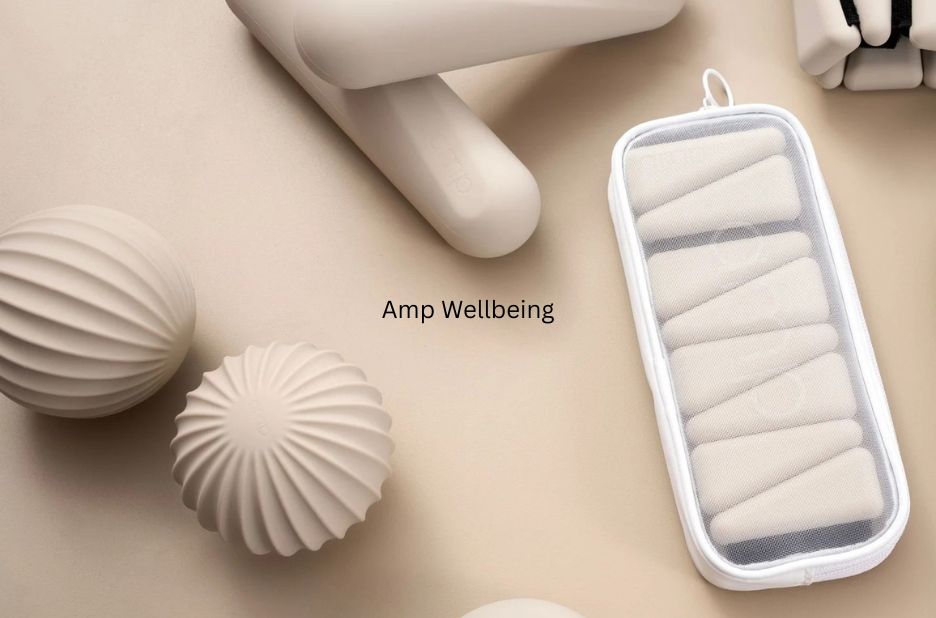
When you start exploring Eco-friendly fitness products, focus on materials, durability, and lifecycle. Look for items made from recycled or renewable materials, and check for certifications that verify performance without harming the environment. Practical choices balance effectiveness with footprint, ensuring your routines stay consistent. Eco-friendly fitness products Think about how long pieces last, how easy they are to repair, and whether they can be recycled at the end of their useful life. Prioritising longevity helps reduce waste while keeping your workouts steady and enjoyable.
Common materials to consider
Many Eco-friendly fitness products rely on bamboo, cork, or recycled plastics that offer grip and resilience without compromising strength. Fabrics should be breathable, moisture-wicking, and made from recycled fibers where possible. Durability matters for everyday use, so inspect seams, zippers, and stitching. Choosing items designed for easy cleaning also extends their life and preserves hygiene in shared spaces, making them sensible purchases for households and gyms alike.
How to compare performance
Performance is not sacrificed with sustainable options. Compare weights, resistance levels, and load capacities as you would with conventional gear. Reviews from users who prioritise sustainability can be particularly insightful, highlighting how Eco-friendly fitness products hold up under regular workouts. Consider the total cost of ownership, including replacement parts, cleaning requirements, and waste produced over time to gauge true value.
Practical tips for everyday use
Incorporate sustainable gear into your routine by setting up a dedicated space for workouts and storage. Clean gear after use with gentler cleaners that are compatible with natural materials, helping to preserve fabric integrity. Track how often you replace items and opt for pieces with modular designs or repairable components. A thoughtful approach reduces waste and keeps your training momentum intact, especially for busy schedules and shared facilities.
Maintenance and end-of-life ideas
Careful maintenance extends the life of Eco-friendly fitness products, from washing instructions to avoiding extreme heat. When parts wear out, seek recycling streams or local take-back schemes that accept sporting goods. Repairing or repurposing by converting components for new uses can stretch value further. Building a habit of regular checks ensures safer training and a smaller environmental impact over the years.
Conclusion
Adopting Eco-friendly fitness products supports responsible consumer choices while maintaining effective training routines. By prioritising materials, durability, and repairability, you can build a sustainable setup that lasts. Visit Amp Wellbeing for more insights and ideas to sustain your active lifestyle with mindful purchasing choices.