


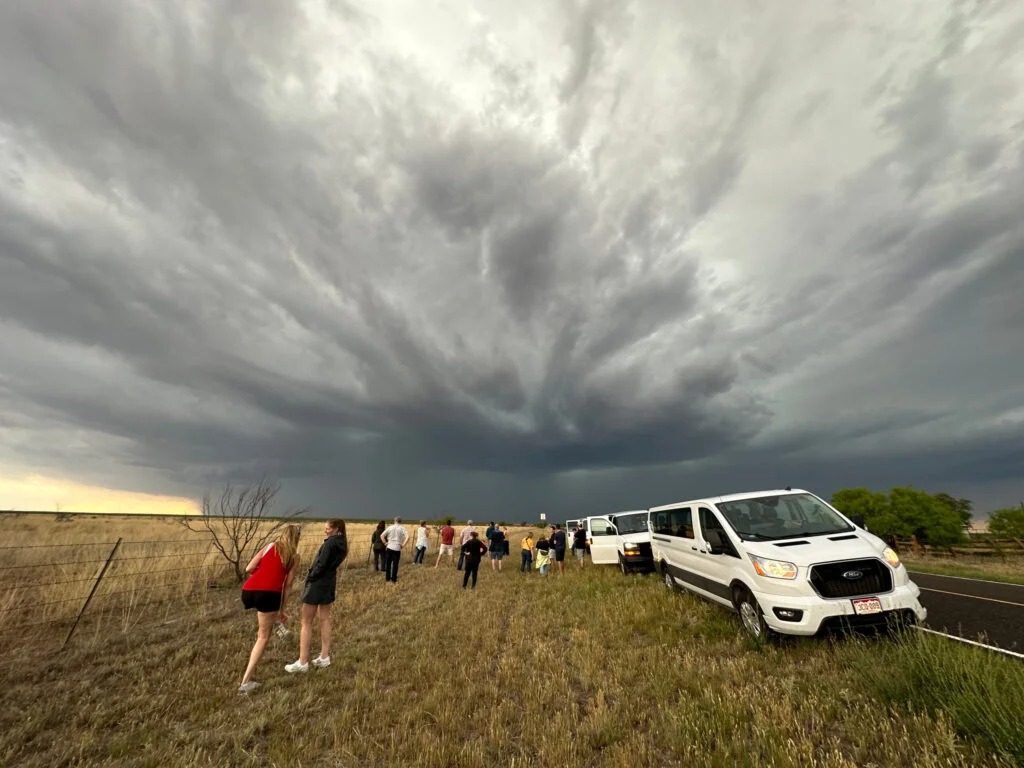
What draws storm seekers
Across regions prone to dramatic weather, enthusiasts often pursue the art of observing powerful systems from a safe distance. The practice blends meteorology with fieldcraft, requiring patience, planning, and respect for changing conditions. While many chase narratives focus on adrenaline, a practical approach emphasises preparation, navigation, Tornado Chasing and risk awareness. By understanding radar signatures, safe escape routes, and weather alerts, beginners can enjoy the experience without compromising safety or integrity. The goal is to learn from nature while keeping yourself and others out of harm’s way.
Field prep and safety essentials
Before heading into any monitored weather area, assemble a reliable kit, confirm vehicle readiness, and map multiple exit strategies. A good plan includes communication devices, spare fuel, water, and weather-appropriate clothing. Track daily forecasts and decide on observation points that minimise exposure to debris, lightning, and strong wind gusts. It’s wise to avoid narrow canyons or drainage paths where rotating storms can produce dangerous hazards. Respect local guidelines and keep a courteous distance from communities and motorists.
How weather data informs decisions
Modern chasers rely on a mix of radar data, satellite imagery, and meteorological outlooks to gauge storm strength and trajectory. Interpreting these signals involves recognising hail potential, wind shear, and moisture convergence. Practitioners learn to adjust plans as cells evolve, following the most likely path while preserving time to retreat if needed. The emphasis stays on informed choices rather than bravado, acknowledging that storms can change rapidly and unpredictably, demanding ongoing vigilance.
Storm related experiences and ethics
Storm watching, when conducted responsibly, offers unique insights into atmospheric processes and climate patterns. Enthusiasts share safety tips, respect for infrastructure, and an understanding of the impact on communities. The best observers remain flexible, adapt to shifting road conditions, and avoid interfering with emergency operations. By prioritising safety and courtesy, observers contribute to a constructive culture around meteorology and public awareness during severe weather events.
Practical techniques for beginners
For those starting out, practical skills such as route planning, window evaluation, and documenting observations can enhance the experience. Regular sessions with mentors or experienced chasers can accelerate learning while emphasising risk management. Keep a concise log of storm features, timings, and personal observations to build familiarity over multiple seasons. A measured, methodical approach yields richer understanding without unnecessary exposure to danger.
Conclusion
Observing severe weather can be enlightening and rewarding when approached with care and preparation. Build your knowledge gradually, prioritise safety, and stay adaptable as storms evolve. Visit Storm Chasing Adventure Tours for more resources and community insights.