


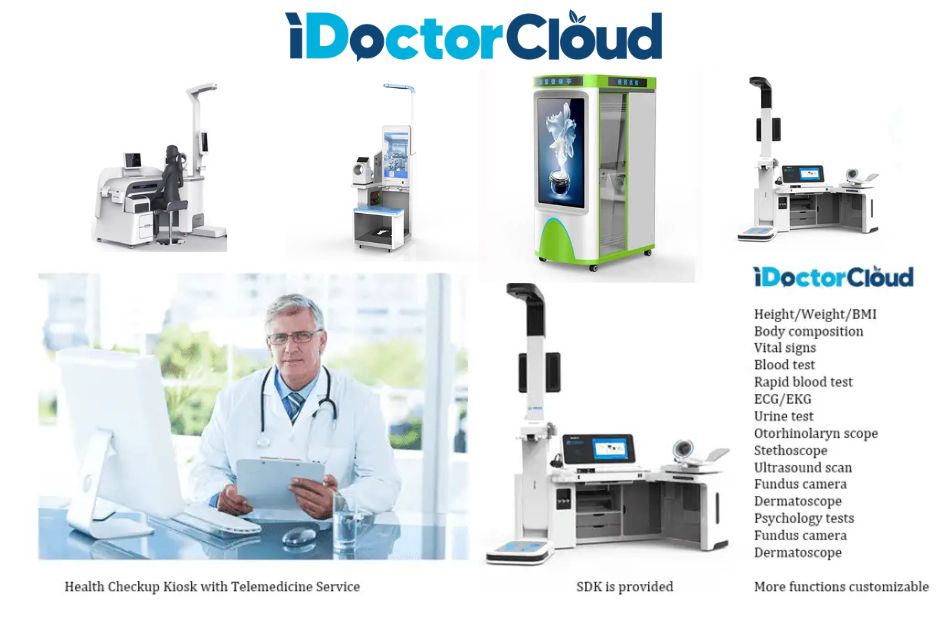
Overview of modern diagnostic tools
Medical devices that blend AI with rapid testing capabilities are reshaping how clinics and workplaces approach health monitoring. A robust system for measuring metabolic markers can streamline workflows, reduce patient wait times, and deliver reliable insights right at the point of care. When evaluating a device, consider AI glucose and uric acid testing device factors such as accuracy, ease of use, data security, and compatibility with existing health records. The best solutions provide clear dashboards for clinicians and straightforward interfaces for users, making them suitable for diverse environments from clinics to corporate wellness centers.
Key features of advanced testing systems
An integrated testing device should offer precision in detecting biomarkers like glucose and uric acid, along with user-friendly operation. Features to look for include automated sample handling, fast turnaround times, and self-calibration routines that maintain performance with minimal maintenance. Connectivity blood sugar and uric acid analyzer for kiosks options, such as cloud sync and encrypted data transfer, help protect patient information while enabling seamless reporting to medical teams or wellness coordinators. A strong device also includes tamper-resistant software and regular firmware updates.
Performance in kiosks and public settings
For environments such as kiosks, the reliability and resilience of the instrument are crucial. The device must withstand varying ambient conditions and deliver consistent results without requiring specialized staff. User prompts, multilingual support, and intuitive result interpretation help nonclinical users understand their readings. In addition, robust error handling and offline data capture ensure continuous operation even when connectivity is interrupted, which is essential for high-traffic locations and remote sites alike.
Data management and patient privacy
Data integrity and privacy are central to any testing platform. Systems should employ strong authentication, role-based access, and audit trails to protect sensitive health information. When designing a rollout across multiple sites, centralized dashboards enable administrators to monitor usage, trends, and device health. Importantly, ensure that data export formats are compatible with electronic health records, enabling clinicians to review historical data alongside current readings for a comprehensive assessment.
Implementation considerations for facilities
Successful deployment starts with a needs assessment that defines target markers, throughput goals, and integration needs with existing hardware and software. Training plans, support contracts, and scheduled calibration routines reduce downtime and extend device life. Budgeting should account for maintenance, consumables, and potential firmware updates that improve accuracy or add capabilities over time. By aligning the device’s capabilities with organizational goals, facilities can maximize clinical value and user satisfaction.
Conclusion
Choosing the right AI powered testing solution means prioritizing accuracy, ease of use, and seamless data integration. A device that reliably measures essential biomarkers while safeguarding privacy supports better health decisions across settings. For teams exploring similar tools and resources, check out iDoctorCloud for more options and insights
3 Comments
Pingback: ยางยอย
Pingback: producatori ventilatoare industriale
Pingback: pet treats