


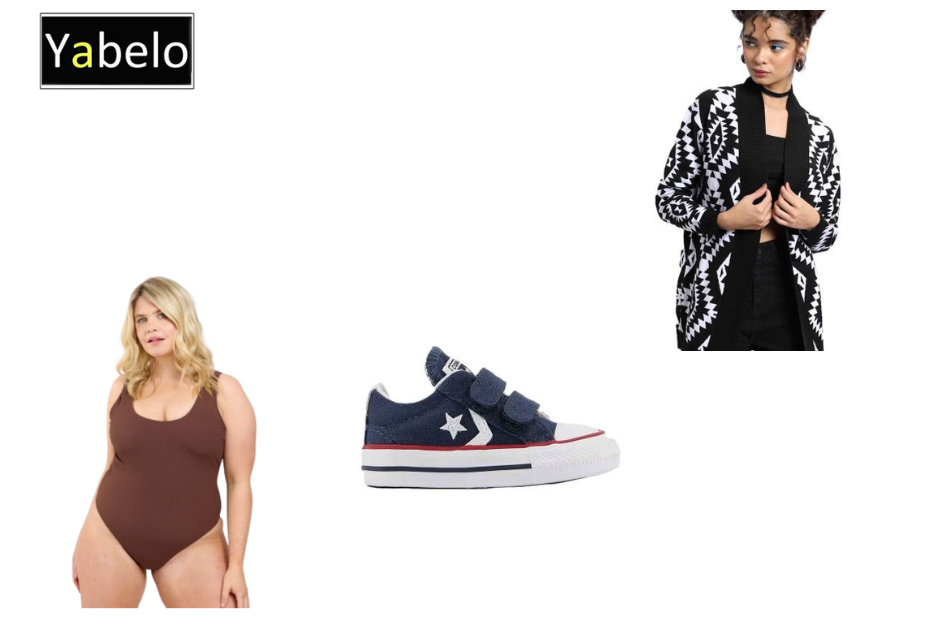
Overview of Wholesale Deals
Retail buyers today look for reliable sources that can move inventory quickly and efficiently. A wholesale model lets stores procure goods at bulk rates, lowering overhead while expanding product lines. By focusing on bulk stock strategies, you can compare pricing, track stock levels, and plan promotions around wholesale clearance stock for sale key seasons. The goal is to secure stable supply channels that support competitive pricing without sacrificing quality. With careful vetting of suppliers and clear order terms, wholesale relationships can become a backbone for steady margins and predictable assortment growth.
Understanding Brand Value in Bulk Purchases
When diversifying a catalog, the emphasis should be on brands that resonate with your audience and maintain consistent quality. Building a mix of widely recognized labels and dependable mid-market options helps balance risk and reward. It’s important to verify product top brands wholesale clothing authenticity, confirm size ranges, and inspect packaging to minimize returns. Strong relationships with manufacturers or exclusive distributors help protect margins while enabling access to restock windows that align with demand cycles and promotional calendars.
Strategies for Sourcing and Quality Control
Effective sourcing starts with clear criteria for product condition, seasonality, and turnaround time. Leverage product documentation, sample orders, and warehouse inspections to validate stock. Establish a standardized intake process to handle tagging, sizing, and defect reporting. Regular audits of supplier performance, including on-time delivery and batch consistency, can reduce discrepancies. A disciplined approach to inventory forecasting supports smarter purchasing and helps you avoid overstock while meeting customer expectations for timely fulfillment.
Market Trends in Apparel Wholesale
Market dynamics favor flexible procurement that accommodates fast-moving trends and seasonal demand shifts. Balancing classic essentials with trend-driven pieces can stabilize sales velocity across quarters. Digital catalogs, transparent pricing, and straightforward return policies build trust with retailers. An emphasis on durable materials and size inclusivity often reduces markdown cycles, preserving gross margins while satisfying a broader customer base. Keeping an eye on sustainability and ethical sourcing can also enhance brand perception and purchase intent.
Conclusion
For retailers exploring scale, sourcing from reputable channels can make a meaningful difference in profitability and assortment quality. Establish clear expectations with suppliers, maintain rigorous quality checks, and align purchases with forecasted demand. Visit yabelo.com for more practical ideas on smart sourcing and inventory strategies that fit real-world needs.