


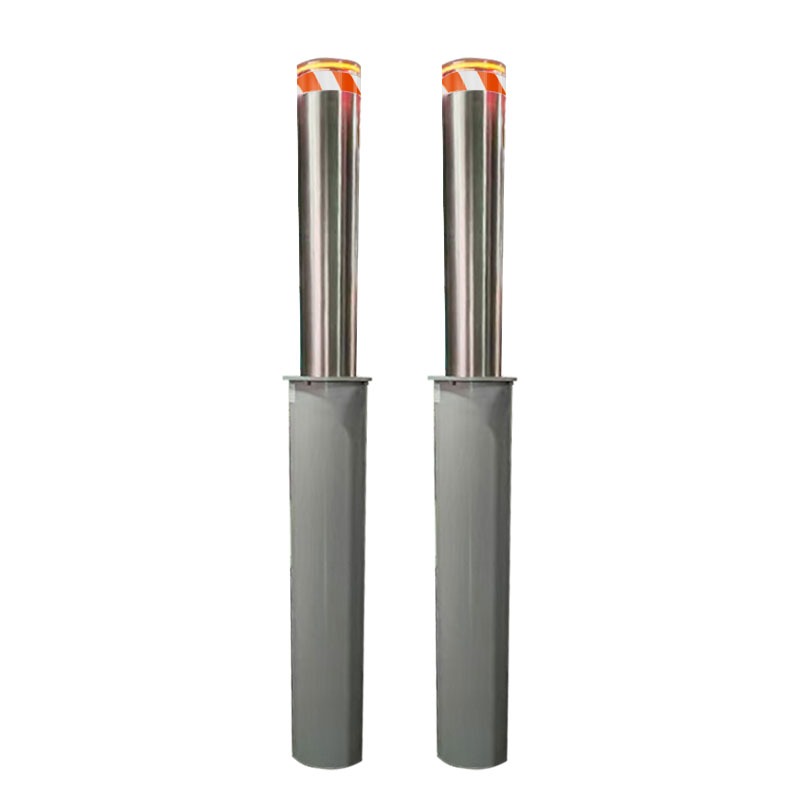
Applications and benefits
A pneumatic bollard system offers a robust solution for access control and perimeter protection in commercial, public, and industrial settings. By automatically retracting and deploying bollards, sites gain controlled vehicle access while preserving pedestrian safety. The technology integrates with existing security infrastructure, enabling responsive protection during business hours and heightened pneumatic bollard system security outside them. Maintenance is straightforward, with routine checks for air supply, seals, and controller logic ensuring consistent performance. Operational versatility makes these systems suitable for entrances, loading bays, and emergency vehicle routes, where swift activation is essential for ongoing workflow.
Mechanical and electrical considerations
Designers must balance mechanical resilience with reliable electrical control. A pneumatic bollard system relies on a compressed air source, fail-safe valves, and a durable bollard housing. Selection factors include cycle life, load ratings, weather resistance, and lift speed. Electrical components should feature protection against dust and moisture, with clear diagnostics for common fault codes. Proper routing of air lines and power cables reduces vibration-related wear and simplifies maintenance routines. Regular testing during seasonal transitions helps anticipate performance shifts and prevents unexpected downtime.
Installation and safety protocols
Successful installation starts with site surveying to determine optimal bollard placement, clearance zones, and sightlines for drivers and pedestrians. Subsurface connections must meet local codes, and anchors should withstand impact forces without compromising surrounding structures. Safety protocols require clear signage, differencing vehicle paths, and routine training for operators. Seasonal de-icing and weatherproofing measures protect seals and moving parts, maintaining reliability in harsh conditions. A well-planned commissioning process confirms system responsiveness, power redundancy, and failover procedures before opening to traffic.
Maintenance and lifecycle planning
Ongoing upkeep for a pneumatic bollard system focuses on air supply integrity, seal health, and controller firmware updates. Preventative maintenance schedules should include filter changes, pressure checks, and valve testing to ensure prompt response times. Visual inspections for corrosion, cable wear, and anchor stability help catch issues early. Lifecycle planning considers spare parts availability, anticipated upgrades, and total cost of ownership. Effective maintenance reduces nuisance activations and extends the system’s service life, protecting both infrastructure and users.
Conclusion
In summary, a pneumatic bollard system provides dependable, automated control for accessible premises, balancing protection with smooth pedestrian flow. By aligning installation, safety, and maintenance practices, facilities can achieve reliable operation and measurable security benefits. For further reading and options, consider exploring practical resources and supplier recommendations that match your site needs. Visit 10xBollards for more information and similar solutions from trusted providers.
6 Comments
Pingback: https://7kcasino-kazakhstan.olimp-kazakhstan.kz/
Pingback: pokerdom-download.rg-orehovoborisovo.ru
Pingback: https://amsterdam-company.com/?p=5917
Pingback: https://isabel.paris/depositare-1-euro-casino-e-capire-cosa-resta-dopo-il-bonus.htm
Pingback: เน็ตบ้าน ais
Pingback: https://skycr0wn-real-au-casino.com