


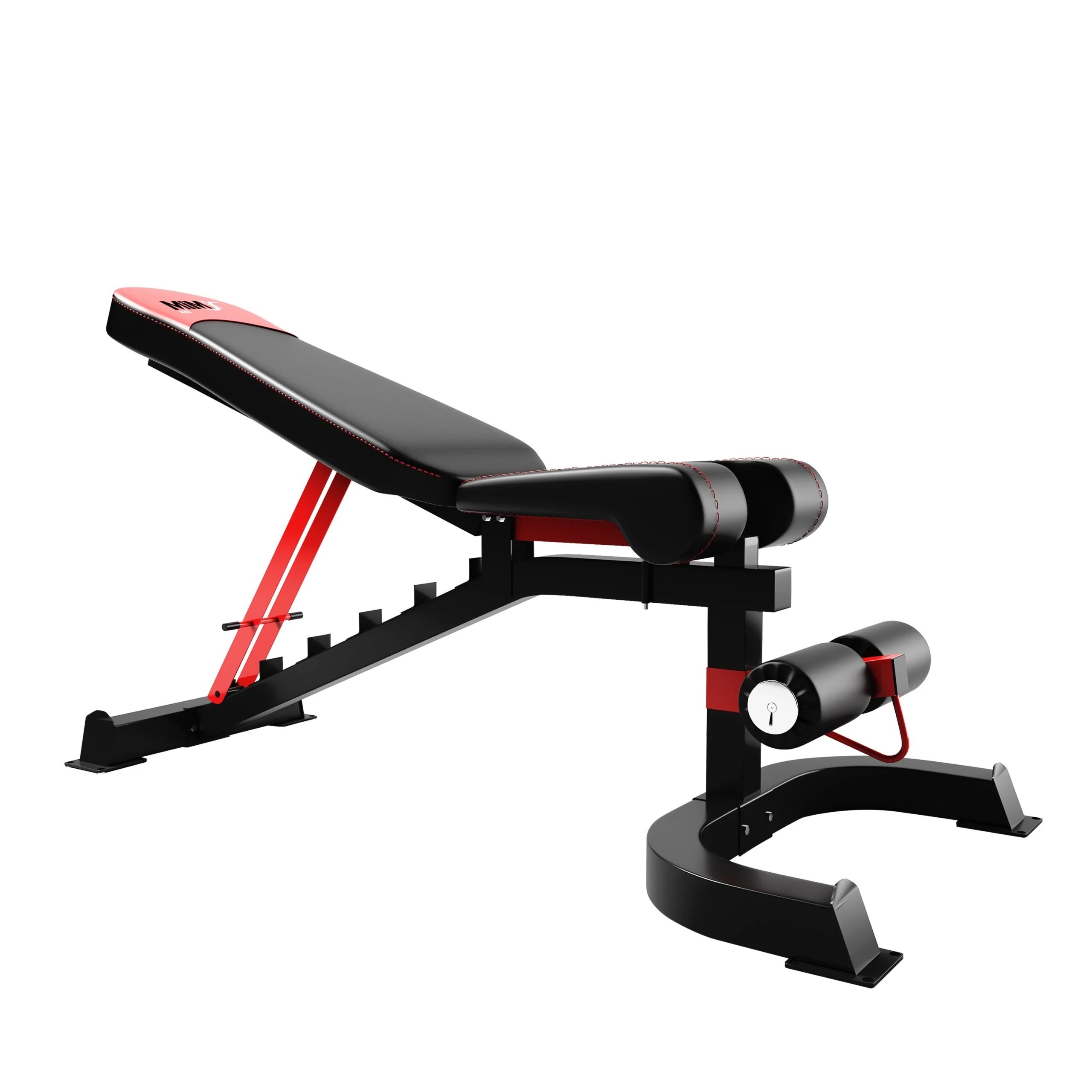
Overview of facility fitness gear
When planning a gym, reliability and safety take centre stage. The right selection of equipment supports varied workouts and accommodates diverse client needs. This means considering commercial gym equipment that withstands frequent use, aligns with space constraints, and remains cost effective over time. commercial gym equipment Practical decisions often hinge on durability, ease of maintenance, and the ability to adapt to evolving training trends without frequent replacements. A well chosen setup also helps staff guide members through workouts with confidence and clarity.
Durability and service considerations
Durability is not merely about metal and weight stacks; it encompasses design, finish, and user experience. Look for solid construction, reinforced joints, and high-grade components that resist wear. Maintenance plans should be straightforward, with routine inspections and ready access to spare parts. Serviceability can reduce downtime, keeping sessions on track and facilities efficient. Establishing relationships with trusted suppliers ensures timely repairs and dependable warranties that reflect real world use.
Space planning for maximum flow
Effective layout optimises floor space, ensuring clients move smoothly between stations without bottlenecks. Measure traffic patterns, consider ceiling height, and allocate zones for cardio, strength, and free weights. Modular systems offer flexibility to reconfigure as demand shifts, while compact units can fit into smaller rooms without compromising function. Clear sightlines and accessible equipment enhance safety, making it easier for staff to supervise and assist members during workouts.
Choosing devices for varied training needs
Facilities benefit from equipment that supports both beginner and advanced routines. Multi-gyms, resistance machines, and functional training rigs encourage progression and variety, reducing the need for multiple standalone machines. When evaluating options, test for intuitive controls, smooth motion, and ergonomic seating. Consider load ranges, adjustability, and the potential for upgrades as technology evolves to keep programmes fresh and engaging for members.
Makes and models that balance cost and value
Budgeting for new gear requires a balance between upfront investment and long-term value. Compare warranties, service terms, and the cost of consumables such as cables and pads. Equipment that holds its resale value and requires less frequent replacement can lower total cost of ownership. Ask vendors about training resources for staff to maximise utilisation and safety across the gym floor.
Conclusion
Ultimately, selecting commercial gym equipment means prioritising reliability, adaptability, and ongoing support to keep facilities functional for members and staff alike. By focusing on durable construction, thoughtful layout, and scalable options, venues can build a versatile environment that grows with demand. Visit MiM USA for more information about similar solutions and guidance on choosing suitable gear for your space.
5 Comments
Pingback: pinup-aviator.sbs
Pingback: Sylfirm
Pingback: 如何登录WhatsApp网页版
Pingback: โรงงานผลิตสปริง
Pingback: สล็อตเงินวอน