


Understanding the market needs
Entrepreneurs looking to expand outdoor reach often weigh the benefits of moving advertisements on trucks. Billboard truck financing can be a practical route for securing the assets without tying up large capital. By evaluating total cost of ownership, including maintenance and insurance, businesses can plan a predictable monthly expense. Financial partners billboard truck financing may offer flexible terms based on fleet utilisation, route density, and expected audience engagement. It helps to compare leasing versus purchase and to consider residual value at the end of the term. Planning ahead prevents cash flow crunches during peak advertising periods.
Assessing ad impact and reach
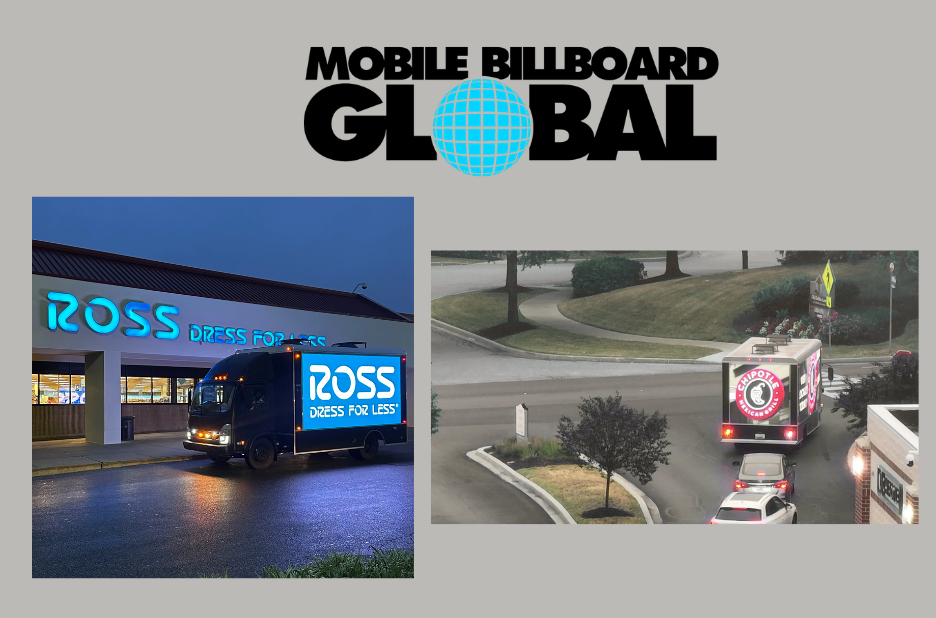
Billboard truck advertising delivers dynamic routes with high visibility in commuter areas. The medium combines mobile placement with strategic timing, extending exposure beyond fixed locations. Campaigns should align with target demographics, peak travel times, and weather considerations that affect visibility. Data-driven billboard truck advertising testing, such as split trials across urban corridors, can reveal which routes deliver stronger impressions. Marketers often track engagement through call tracking, QR codes, or unique landing pages to measure response rates and optimisation opportunities.
Choosing the right financing options
Financing options vary from traditional loans to specialised vehicle financing packages. When evaluating billboard truck financing, consider interest rates, repayment terms, maintenance plans, and any mileage caps. A lender that understands outdoor advertising budgeting can tailor terms around campaign duration and seasonal spend. Some agreements include bundled services like vehicle branding or digital asset management. It is crucial to read the fine print about early repayment penalties and insurance requirements before signing.
Operational considerations for success
Beyond the initial purchase, operational excellence drives campaign performance. Scheduling routes, securing permits where required, and coordinating with drivers are essential tasks. Regular maintenance minimises downtime and preserves ad quality, ensuring legibility at various speeds and conditions. A clear asset management process helps teams refresh creative assets and keep branding consistent across all vehicles involved in the network. Budgeting for fuel, maintenance, and possible downtime should be part of the overall advertising plan.
Measuring outcomes and optimisation
Campaigns grow stronger when they are routinely measured against objectives. Viewer impressions, engagement actions, and eventual conversions are typical metrics, supported by analytics from mobile ad networks and offline-to-online tracking. Optimisation may involve re-routing vehicles to higher-traffic zones or adjusting creative to improve legibility. Regular reviews with stakeholders ensure the programme remains aligned with business goals and budget limits, allowing scalable growth across markets or regions.
Conclusion
Strategically using billboard truck advertising can amplify reach while keeping expenditures predictable through careful planning of billboard truck financing. By balancing route selection, funding terms, and ongoing maintenance, campaigns stay cost-effective and adaptable. For brands exploring scalable outdoor options, it is worth noting practical insights and industry benchmarks to guide deployment. Visit Mobile Billboard global for more guidance and examples of similar campaigns to inform your next move.