


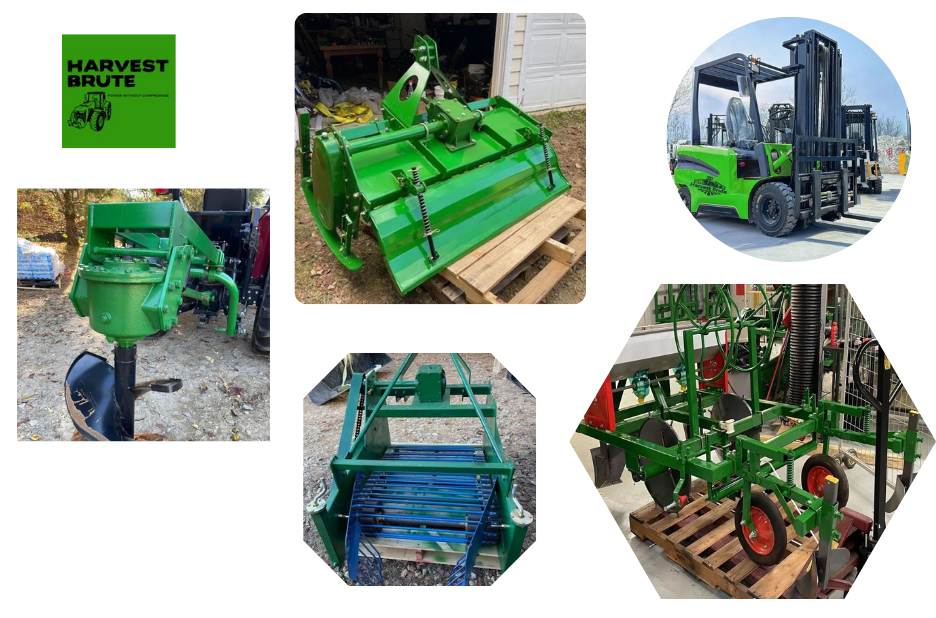
Overview of robust harvest systems
Farmers and operators rely on reliable equipment to maximize yield while minimizing downtime. A heavy duty harvester is designed to withstand demanding agricultural conditions, from hot sun to muddy fields. These machines emphasize durability, traction, and efficient threshing, ensuring consistent performance through long harvest seasons. When selecting a model, consider power Heavy Duty Harvester balance, fuel efficiency, and ease of maintenance, since breakage or complex repairs can halt production. Modern designs also focus on operator comfort and visibility, reducing fatigue over extended shifts. This makes proactive maintenance and timely service critical to longevity and return on investment.
Key design features and benefits
In practical terms, a heavy duty harvester integrates reinforced frames, high-capacity threshing drums, and heavy tires suited for uneven terrain. The drivetrain is engineered to handle varying loads without sacrificing control, while robust sieves and conveyors manage grain flow with minimal loss. Safety systems, including rollover protection and accessible emergency stops, are standard in well-built models. Users frequently praise easy field adjustments for crop variety and changing moisture levels, which saves time during peak harvest windows and reduces product spoilage risk.
Performance in challenging environments
Farm fields are unpredictable, demanding machinery that can adapt to moisture, soil composition, and crop density. A heavy duty harvester typically excels in dry and wet conditions alike, maintaining steady rpm and consistent separation. The terrain can influence hitch stability, so many designs incorporate weight distribution controls and rugged axles. Operators appreciate clear instrument panels and responsive controls, which translate to better decision making in the moment. Long-term reliability often hinges on access to spare parts and a network of skilled technicians who understand heavy equipment anatomy.
Operator experience and maintenance planning
Choosing the right machine goes beyond raw power; user experience matters for sustained productivity. Ergonomic seating, intuitive control layouts, and low vibration contribute to reduced fatigue during lengthy days in the field. Routine maintenance routines—oil checks, filter changes, and belt inspections—prevent minor issues from escalating. When schedules are tight, having a service plan and readily available parts can dramatically cut downtime. Investment in training ensures operators can optimize settings for different crops, climates, and harvest objectives.
Conclusion
A well chosen heavy duty harvester delivers steadier throughput, fewer stoppages, and a longer productive life in demanding farming conditions. It is worth aligning specifications with your crop profile, terrain, and climate to maximize return. Harvest Brute