


Why storm chasing appeals to enthusiasts
Storm Chasing Adventure Tours offer a hands on experience for anyone curious about severe weather. Participants learn the basics of meteorology, safety, and navigation as they track evolving weather patterns under the guidance of seasoned experts. The goal is to balance curiosity with responsibility, ensuring Storm Chasing Adventure Tours guests understand risks while gaining practical insight into how storms develop. Along the way, you’ll observe structure in the sky, discuss forecasting tools, and gain an appreciation for the complexity of atmospheric processes that drive dramatic weather events.
What to expect on a typical chase day
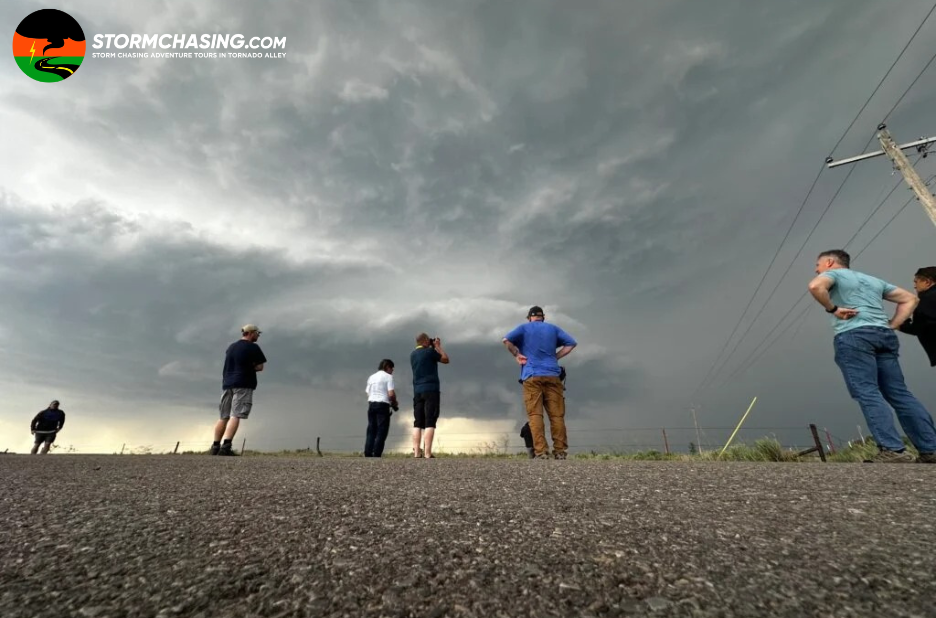
On a typical chase day, teams assemble early, review forecasts, and choose a route that optimizes viewing opportunities while maintaining safety margins. Guides explain data sources, such as radar imagery and surface observations, and demonstrate how forecast confidence translates Storm Chasers Tornadoes into real time decisions. Observers remain at respectful distances from storms, and transport plans are adjusted to avoid dangerous terrain. This practical approach helps participants connect theory with real world weather dynamics.
Skills you’ll build during the expedition
Participants pick up essential weather literacy, including recognizing storm structure, mesocyclone indicators, and tornado formation signs. Teams document observations, take notes, and compare live data with forecast models. The experience also hones situational awareness, risk assessment, and decision making under pressure. By the end, guests have a clearer sense of how meteorologists forecast severe weather and how storm systems evolve from isolated cells to organized supercells.
Safety and preparation considerations
Safety is the top priority on any chase. Expect a briefing on protective gear, emergency protocols, and altitude or distance limitations. Weather can shift quickly, so charm of the experience remains tied to prudent choices and clear communication within the group. Travelers should pack layers, water, and weather prepared footwear, while listening to guidance from guides who monitor changing conditions and coordinate contingency routes as needed. Storm chasing can be exhilarating, but it’s crucial to stay within safety guidelines.
A closer look at the science behind the spectacle
The science behind storm formation centers on moisture, instability, lift, and wind shear. When these elements align, convection can intensify and organize into severe storms capable of producing impressive displays and, at times, tornadoes. Observing these events in real time reinforces how atmospheric instability translates into visual power. Visitors leave with a grounded understanding of weather systems and the factors that influence storm longevity and severity.
Conclusion
Experiencing a storm chase blends science with adventure, offering a practical lens on how weather shapes landscapes and lives. The tours emphasize preparation, safety, and responsible observation while delivering memorable insights into storm evolution. Visit stormchasing.com for more details and resources as you plan your next excursion to witness nature’s dynamic skies firsthand.