


Understanding the role of care in pain
Joint discomfort can stem from daily strain, sports, or aging. A thoughtful approach combines assessment with gentle, precise techniques that focus on restoring movement and reducing stress on affected areas. This section explains how hands-on care can influence mobility, pain perception, and function without relying solely on medications. Chiropractic adjustment for joint pain Building a clear plan with your provider helps you track progress, adjust activities, and stay engaged in recovery. The aim is to support safe, gradual improvements that empower you to return to everyday tasks with less pain and more confidence.
What to expect during a session
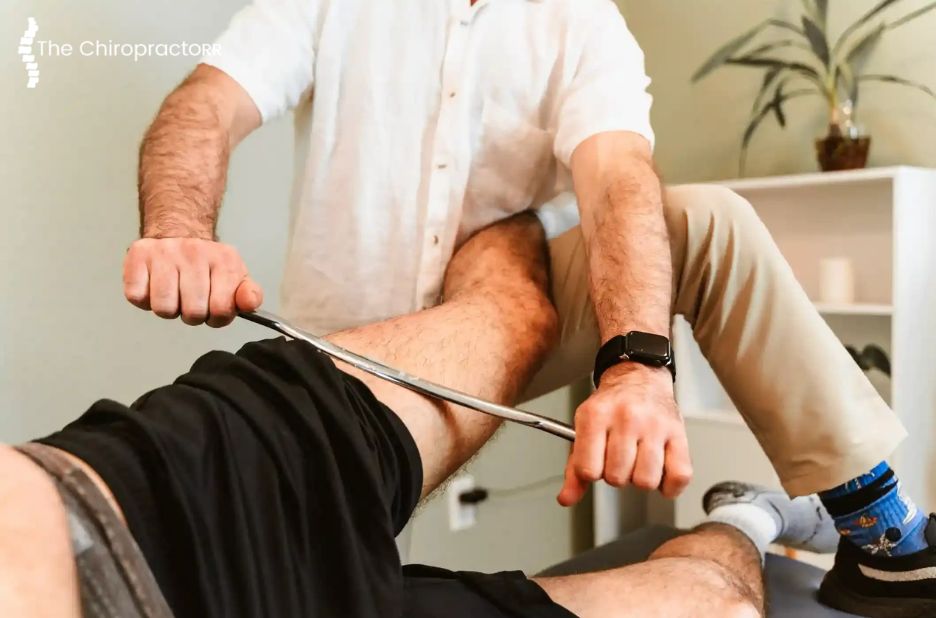
During an appointment, a clinician assesses alignment, range of motion, and any areas of tenderness. The process is collaborative, with clear explanations and opportunities to ask questions. Safe, controlled adjustments target joints that may be contributing to pain Chiropractic adjustment for injury recovery or stiffness while minimizing unnecessary manipulation. Many people notice improved movement, reduced muscle tension, and a sense of relief after sessions, though responses vary. Consistency often yields the best results over time.
Choosing a plan that fits your goals
A thoughtful treatment plan aligns with your daily routine and long term goals. Your provider can tailor frequency, types of techniques, and home care strategies to address joint pain while staying within your activity limits. Emphasis is placed on gradual progress, proper body mechanics, and strengthening exercises that support stability. By setting realistic milestones, you create a practical path toward greater comfort and function in work, hobbies, and family life.
Chiropractic adjustment for joint pain
Chiropractic adjustment for joint pain focuses on restoring joint movement and reducing nerve irritation that can contribute to pain and stiffness. By carefully recalibrating spinal or peripheral joints, practitioners aim to improve posture, balance, and overall comfort. The approach is most effective when combined with lifestyle tweaks, targeted stretches, and mindful activity choices. If you have persistent joint pain, discussing your symptoms and goals with a qualified clinician can help you determine whether this approach supports your recovery strategy.
Chiropractic adjustment for injury recovery
Chiropractic adjustment for injury recovery centers on supporting the healing process after an acute incident or overuse injury. Gentle, targeted adjustments may help realign joints, reduce swelling, and promote more efficient movement patterns as healing progresses. This work is typically integrated with rest, gradual loading, and professional guidance on when to resume certain activities. Individuals often report improved function and a clearer road to return to normal activities with a coordinated care plan.
Conclusion
Recovery from joint pain or injury often hinges on consistent care, practical guidance, and personalized goals. By combining assessments, careful adjustments, and progressive home strategies, you can make tangible strides toward greater comfort and mobility. The ChiropractOrr