


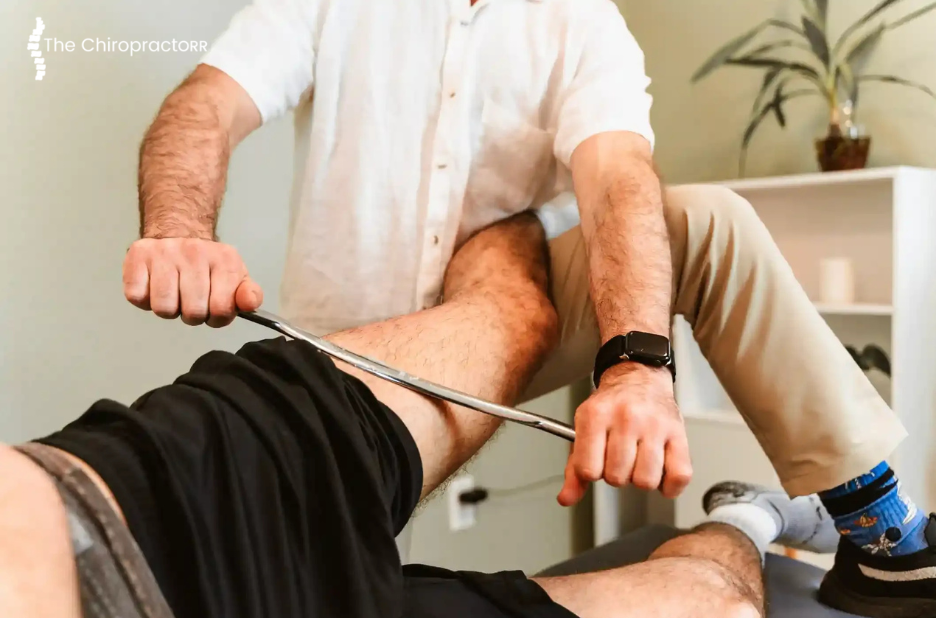
What FAKTR therapy offers
Experiencing persistent aches and limited mobility can be frustrating. FAKTR soft tissue therapy for pain relief focuses on hands‑on techniques to identify soft tissue restrictions that contribute to discomfort. Practitioners use targeted palpation to map trigger points, fascial lines, and scar FAKTR soft tissue therapy for pain relief tissue, then apply precise movements and decompress the tissues to encourage natural healing. This approach is often integrated with patient education, activity modification, and gradual loading to support long‑term improvement rather than a quick fix.
How the technique works in practice
During a session, clinicians assess movement patterns and tissue consistency to determine where discomfort originates. The therapy aims to restore tissue elasticity and improve blood flow, which can reduce nerve irritation and promote faster recovery. Sessions Chiropractic FAKTR method for reducing pain are customized to the patient’s history, including prior injuries or chronic conditions. By addressing the root causes rather than merely masking pain, patients may experience clearer progress over successive visits.
Evidence and expectations for outcomes
Patients often report reduced pain intensity and better function after a course of care. While responses vary, many find that FAKTR soft tissue therapy for pain relief helps with range of motion, sleep quality, and daily activities. It is typically used alongside rehabilitation exercises and home management plans to reinforce gains. Clinicians emphasize realistic timelines and safety, ensuring the treatment aligns with each person’s goals and limits.
Chiropractic integration and benefits
Chiropractic FAKTR method for reducing pain is commonly incorporated into broader musculoskeletal care. Practitioners balance manual tissue work with adjustment strategies, mobility drills, and proprioceptive training. The combined approach can address multiple contributing factors—posture, breathing patterns, and movement efficiency—leading to a more resilient foundation for ongoing relief. Patients often value the clarity of explanations and the collaborative plan for returning to activities with less risk of relapse.
Choosing a qualified provider
When seeking care, look for practitioners with specialized training in soft tissue methods and a track record of individualized plans. Effective sessions typically involve clear communication about goals, expectations, and milestones. A good clinician will assess progress regularly, adapt techniques as tissues respond, and integrate self‑management strategies that empower the patient between visits. This collaborative model often yields the most durable improvements in pain and function.
Conclusion
For those exploring nonpharmacologic options, FAKTR soft tissue therapy for pain relief can offer meaningful benefits through targeted tissue work, education, and structured rehab. The Chiropractic FAKTR method for reducing pain is commonly paired with other conservative strategies to create a comprehensive plan. Visit thechiropractorr.com for more ideas on how these approaches fit into a broader healing journey.
1 Comment
Pingback: gates-of-olympus-slot-au.com