


Industry leading materials
In the realm of inclusive design, selecting the right materials is essential. A reputed stainless steel tactile strips manufacturer must balance durability, corrosion resistance, and legibility. This section explores how premium alloys, controlled finishes, and precise fabrication contribute to safe, long‑lasting installations. Applicants often stainless steel tactile strips manufacturer evaluate the tensile strength, wear resistance, and ease of maintenance when choosing products for public spaces. The goal is consistent performance under heavy foot traffic while minimising noise and glare, which can affect usability in busy environments.
Product design and compliance
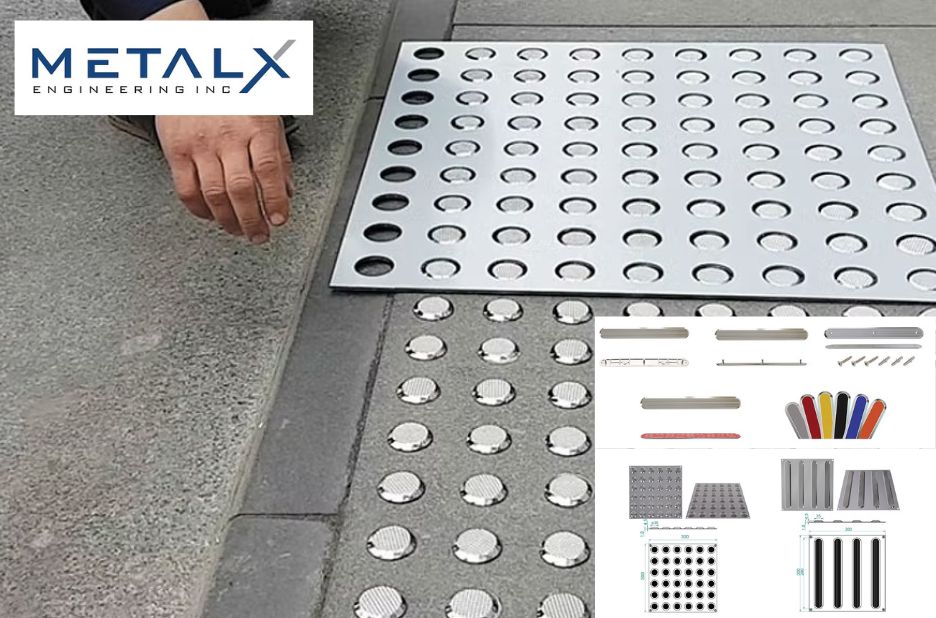
Standards for tactile indicators vary by region, but most projects demand clear, slip resistant features that can be trusted by pedestrians with visual impairments. This discussion highlights how engineering teams translate accessibility requirements into practical details Tactile Directional Strip such as edge detailing, PDA compatibility, and alignment accuracy. A thoughtful approach to testing and certification helps ensure that the final tape or strip performs reliably over time without compromising aesthetics.
Manufacturing precision and QA
Quality control processes are fundamental for any tactile strip program. A skilled supplier emphasises tight tolerances, precise drilling or punching, and consistent texture patterns. This ensures each unit matches installation guides and continues to function after exposure to weather, cleaning chemicals, and heavy footfall. Ongoing QA documentation supports traceability and warranty claims, giving clients confidence from initial order through installation and maintenance cycles.
Application guidance and lifecycle
Beyond sourcing, successful deployment depends on proper site preparation, adhesive compatibility, and robust fixing methods. End users benefit from clear guidance on spacing, orientation, and replacement cycles. Institutions often appreciate turnkey support from design through to retrofit planning, with attention to accessibility audits and ongoing performance tracking that informs future upgrades.
Conclusion
Choosing the right supplier for tactile indicators means prioritising consistency, safety, and long term value. A reputable partner provides detailed product data, installation recommendations, and responsive aftercare to keep sites compliant and accessible. Visit MetalX Engineering Inc for more information and to explore compatible options for your projects.