


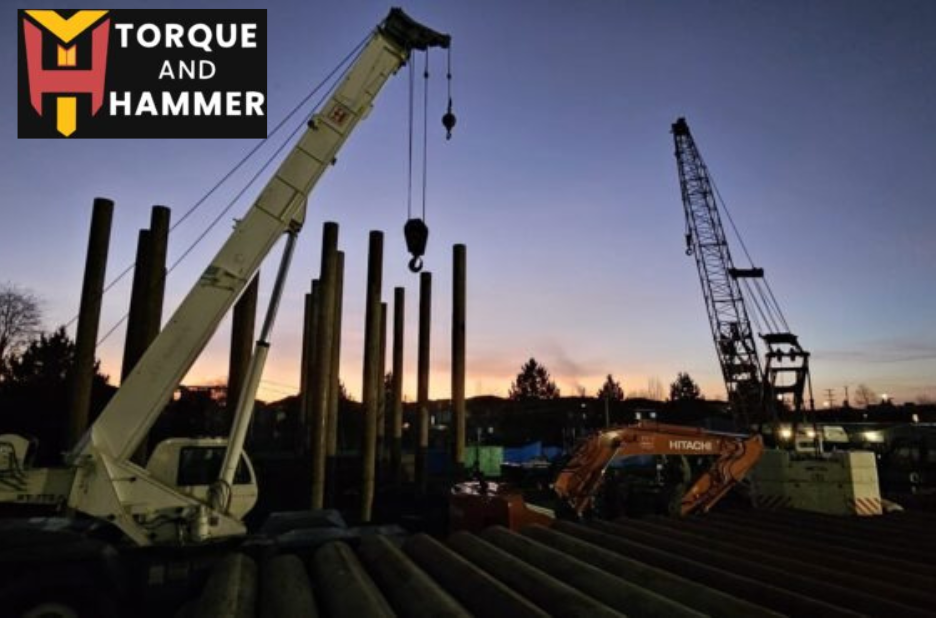
Overview of pile installation methods
When planning a construction project, choosing the right equipment for ground support is essential. Pile installation involves driving or drilling deep into the soil to bear heavy loads. This process requires precise alignment, controlled torque, and careful assessment of soil conditions. Modern methods blend traditional drilling with Helical Pile Driver Vancouver mechanical driving to minimize disturbance while maximizing stability. Professional crews assess site access, noise limits, and weather impact to prevent delays and ensure a solid foundation. Clear communication with clients helps tailor the approach to project size, budget, and timelines.
Equipment options for structural support work
Choosing the right tool for foundation work affects both efficiency and safety. A helical drive system uses screw-like piles that anchor into the ground with minimal vibration, ideal for restricted spaces. For heavier loads or challenging soils, traditional pile driving or Pile Driving Services Vancouver auger systems may be deployed. Operators adjust rpm, torque, and feed rate to match soil resistance and required capacity. On-site safety plans cover trenching, fall protection, and crane coordination to protect workers and nearby structures.
Site assessment and engineering considerations
Before any equipment arrives, engineers analyze soil borings, groundwater, and adjacent structures. This data informs pile length, diameter, and spacing. The goal is to achieve a uniform load distribution while avoiding soil blowouts or settlement. Contractors coordinate with inspectors to validate design specs and ensure compliance with local codes. Temporary site utilities and access routes are mapped to minimize disruption during installation.
Environmental and efficiency factors in Vancouver
Urban projects in Vancouver demand quiet, low-emission practices and careful routing to preserve nearby ecosystems. Equipment choice is influenced by noise regulations, vibration limits, and air quality standards. Efficient pile driving reduces project duration and fuel use, delivering cost savings without compromising integrity. Teams plan staged installations that align with concrete pours, waterproofing, and backfilling, ensuring a smooth, safer construction sequence.
Practical guidance for choosing a provider
Clients should evaluate experience, specialty, and references when selecting a contractor. Look for documented case studies, permits, and safety records that demonstrate consistent performance. A professional team will offer a clear scope of work, timetable, and cost estimate, along with a risk assessment and method statement. Transparent communication helps align expectations and reduces the chance of scope creep during the project.
Conclusion
Choosing the right piling approach matters for long term stability and project efficiency. A qualified crew can tailor the method to site conditions, ensuring safe, compliant, and timely results. Visit torqueandhammer.ca for more insights on complementary tools and resources that support foundation work, especially for routine maintenance and upgrades after project completion.
3 Comments
Pingback: https://www.10eurotaxi.nl/2026/04/22/272989/
Pingback: starcasinoapp.us.com
Pingback: ตกแต่งภายในหาดใหญ่