


Practical buying considerations
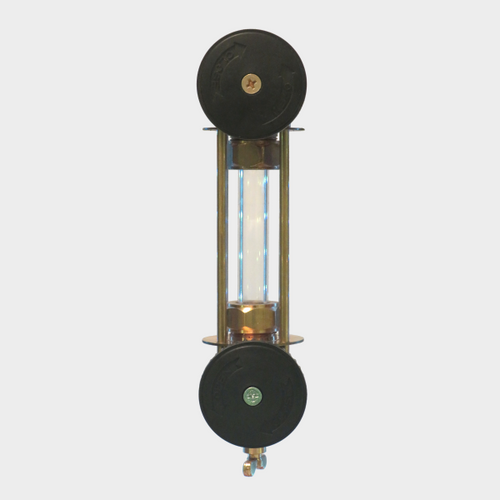
When you start looking for gear to monitor engine health, the choice of oil gauges is a practical starting point. You want instruments that are accurate, durable and easy to install. Consider the mounting options, the visibility of the dial, and the compatibility with your vehicle or machinery. Durable materials like stainless steel oil gauges for sale casings and high-contrast faces help during busy shifts or long hauls. It’s sensible to compare gauges from different brands and read user reviews to gauge long term reliability. Prioritise models with clear readings even in bright sunlight and at night, so maintenance stays efficient.
Where to shop with confidence
Shopping for reliable components means seeking reputable suppliers who provide clear specifications and support. Look for oil gauges that come with detailed installation guides and warranty terms. Check whether the gauge kit includes sending units, adapters, and fittings, which can oil gauges simplify an otherwise fiddly job. It’s also useful to verify return policies and customer service responsiveness before committing to a purchase. A thoughtful checkout process helps you avoid post purchase issues after installation.
Standout features to look for
Key features to prioritise include precision movement, robust temperature tolerance, and compatibility with different oil types. A good oil gauge should resist corrosion and have a sealed unit to guard against oil vapours and dust. Some models offer warning thresholds or coloured LEDs to indicate when levels are outside the safe range. If you operate in extreme conditions, consider gauges with reinforced glass or polycarbonate lenses and anti glare coatings to keep readings legible under direct sun.
Maintenance and longevity tips
Once installed, routine checks extend the life of oil gauges. Periodically inspect for leaks around fittings and ensure the sending unit remains properly sealed. Clean the face with a soft cloth and avoid abrasive cleaners. If you notice erratic readings, verify electrical connections or replace worn gaskets. Preserve accuracy by performing regular calibration or following the manufacturer’s guidance. Keeping a small spare sending unit on hand can prevent downtime when components wear out.
Conclusion
Oil gauges form a straightforward yet essential part of engine maintenance, delivering timely information to prevent costly issues. By focusing on accuracy, durability and easy installation, you can confidently select suitable instruments for your setup. Flywheel Supply offers practical options and friendly guidance for those exploring the market, so it’s worth checking in if you want a straightforward buying experience.