


Choosing the right setup
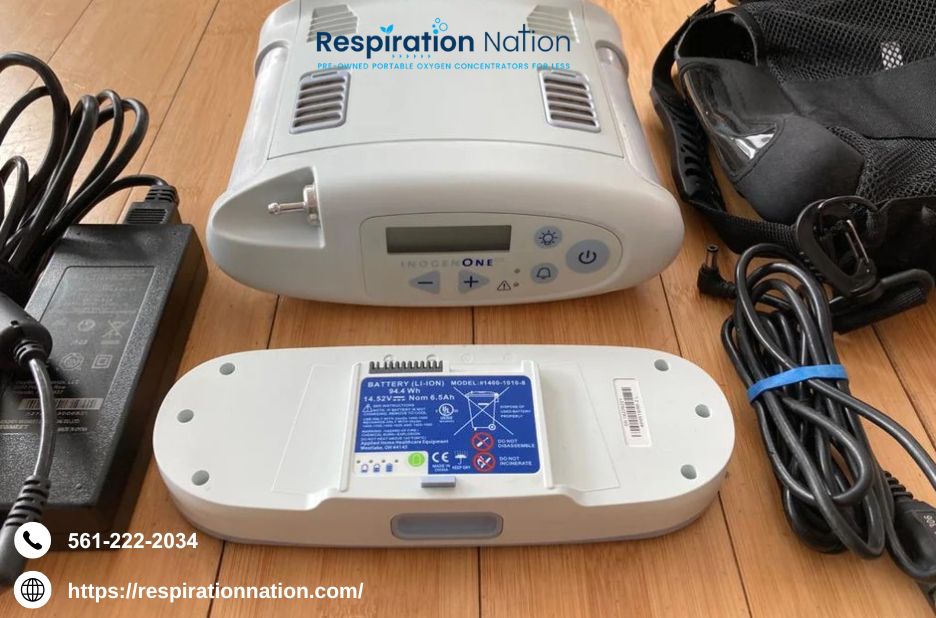
When selecting equipment for respiratory support, it is essential to understand how the device fits into daily routines. Start by assessing the space where you will operate it and consider power needs, battery life, and portability. Clear labeling and an organised charging station help maintain reliability. If you plan to Used Inogen G3 travel, check airline and car power requirements and carry spare batteries if allowed. A well-planned setup reduces interruptions, enabling smoother use and greater comfort throughout errands, work, and relaxing moments at home or away from home, without compromising safety or effectiveness.
From clinic to home care routine
Transferring therapy from clinic to home involves practical steps that safeguard therapy efficacy. Begin with a caregiver or user training session to review device controls, cleaning routines, and battery management. Create a simple daily schedule that includes filter checks, Used Inogen at home reservoir cleansing, and noting any alarms. This routine supports consistent oxygen delivery and minimises maintenance surprises. Documenting observations helps healthcare providers adjust settings accurately during follow‑ups while ensuring comfort and routine compatibility.
Cleaning and maintenance habits
Maintenance is a cornerstone of reliable performance for this type of device. Regular cleaning reduces infection risk and extends component life. Schedule washing of exterior surfaces with mild detergent, careful drying, and periodic replacement of consumables following manufacturer guidance. Store spare parts in a dry, accessible spot and ensure the device is completely dry before reassembly. Keeping a maintenance log aids future servicing and keeps you confident in the device’s readiness for daily use, travel, and unexpected needs.
User safety and comfort measures
Safety considerations include securing a stable power source, using gloves or hygiene aids during handling, and managing cords to prevent trips. Adjust the harness or mask for a comfortable seal, interspersing breaks to reduce skin irritation or dryness. If you notice fatigue, shortness of breath, or odd sounds from the unit, pause use and consult a clinician. Maintaining hydration and environmental comfort also enhances overall well‑being when using any portable therapy device at home or on the move.
Practical travel readiness
Planning ahead ensures that mobility devices support an active lifestyle. Verify battery endurance for a full day away from home, and understand airline policies for medical devices and batteries. Pack a compact travel kit with spare filters, cleaning wipes, and a sealed bag for soiled parts. Communicate plans with caregivers or companions, share emergency contact details, and keep essential documentation on hand. Thoughtful preparation makes it easier to manage therapy in unfamiliar settings while preserving independence and confidence.
Conclusion
With careful setup, consistent maintenance, and proactive safety habits, users can integrate this therapy smoothly into daily life and travel. Remember to follow clinician guidance and manufacturer instructions for best results and ongoing comfort.
5 Comments
Pingback: แทงบอลเกาหลี
Pingback: order Wavy Caps Wadden Sea wide
Pingback: The most disgusting porn
Pingback: dating apps for gamers
Pingback: Anblicks AI Factory