


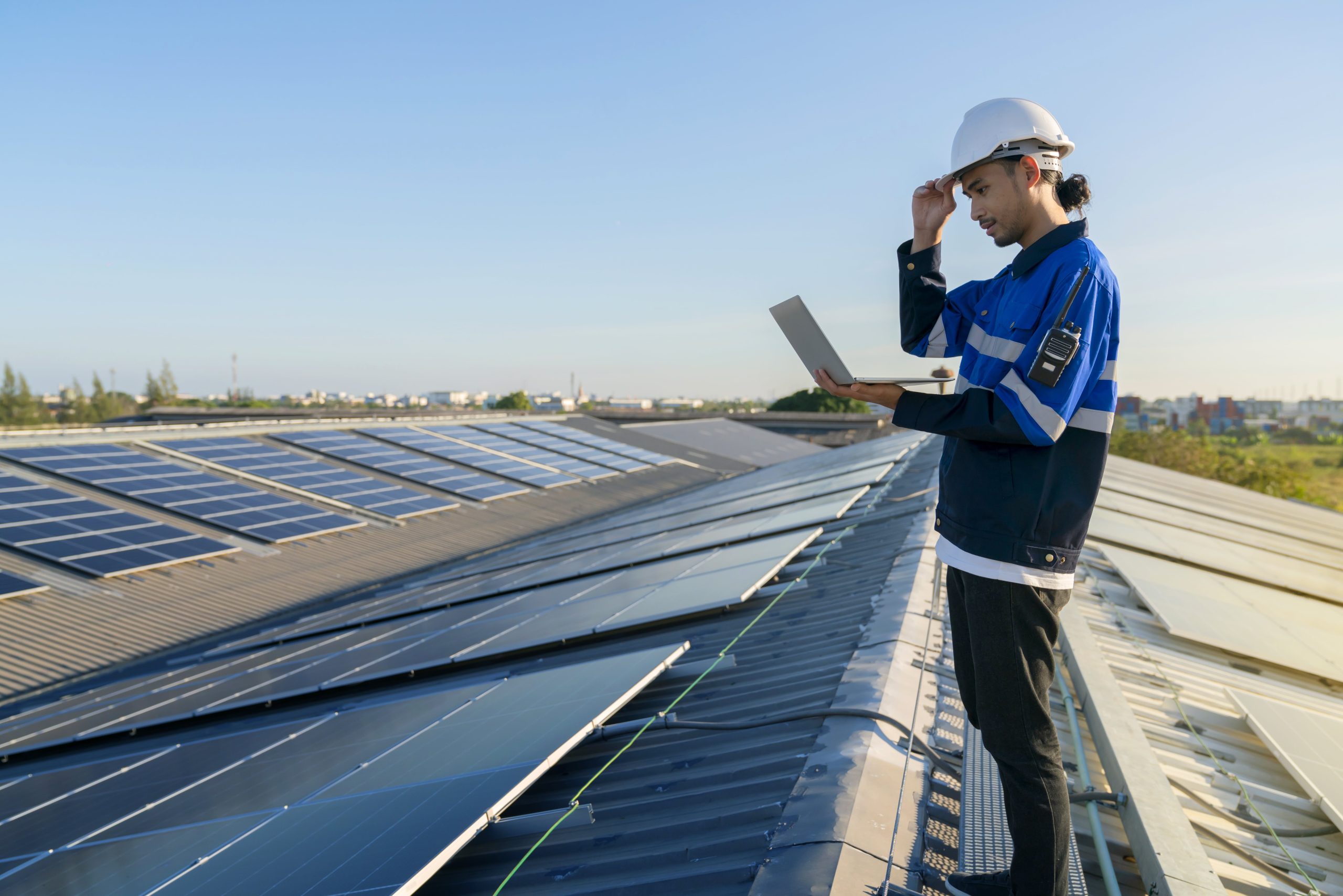
Overview of solar opportunities
Growing demand for sustainable energy in Alberta presents practical options for both commercial and residential users. When considering a solar system, business owners look for reliable ROI, minimal disruption to operations, and scalable setups that can grow with their company. Homeowners weigh energy independence, monthly savings, commercial solar Alberta and compatibility with existing electrical systems. The right approach blends upfront planning with realistic expectations about weather, incentives, and maintenance. A thoughtful assessment helps determine what size and configuration will deliver steady benefits over the life of the installation.
Commercial solar Alberta benefits
For businesses, investing in commercial solar Alberta can reduce operating costs, stabilise electricity pricing, and enhance corporate reputation. A well-designed installation can offset a large portion of daytime energy use and offer predictable savings through long-term power purchase agreements or owned residential solar Alberta systems. When evaluating projects, consider site orientation, shading, available tax credits, and potential for on-site storage to maximise daytime generation and grid resilience. A phased roll-out may suit evolving business needs while spreading capital expenditure.
Residential solar Alberta advantages
Residential solar Alberta enables homeowners to take control of energy bills and increase home value. Key considerations include roof condition, system size, and the compatibility of inverters with local grid rules. A typical setup delivers meaningful savings on monthly bills, especially in peak sun hours, while providing a clean energy narrative for households. Maintenance requires routine inspections of panels and electrical components, plus monitoring to ensure the system performs as expected in varying seasons and weather patterns.
Planning and funding options
Early planning should map out energy consumption, available incentives, and financing tools. Grants, rebates, and favourable loan terms can significantly lower the upfront cost and shorten payback periods. Contractors usually start with a site assessment, followed by system design, permitting, and installation scheduling. It helps to collect multiple quotes, verify warranties, and confirm post-installation support. Understanding net metering rules and grid connection procedures is essential for both commercial solar Alberta and residential solar Alberta setups to ensure seamless operation.
Implementation steps and maintenance
Successful projects proceed through careful scoping, engineering, and commissioning. After installation, routine maintenance—such as panel cleaning, inverter checks, and electrical safety tests—helps preserve performance. Monitoring software provides real-time data on production and usage, enabling informed decisions about energy management. Regular reviews can reveal opportunities to optimally align consumption with generation, potentially adding storage or further expansions to maximise savings over time.
Conclusion
As Alberta continues to embrace renewable energy, both commercial solar Alberta and residential solar Alberta offer tangible ways to cut costs, improve resilience, and support environmental goals. Thoughtful planning, credible contractors, and clear financial expectations are essential for success. Visit hybrizesolar for more insights and resources on practical solar deployments in the province.