


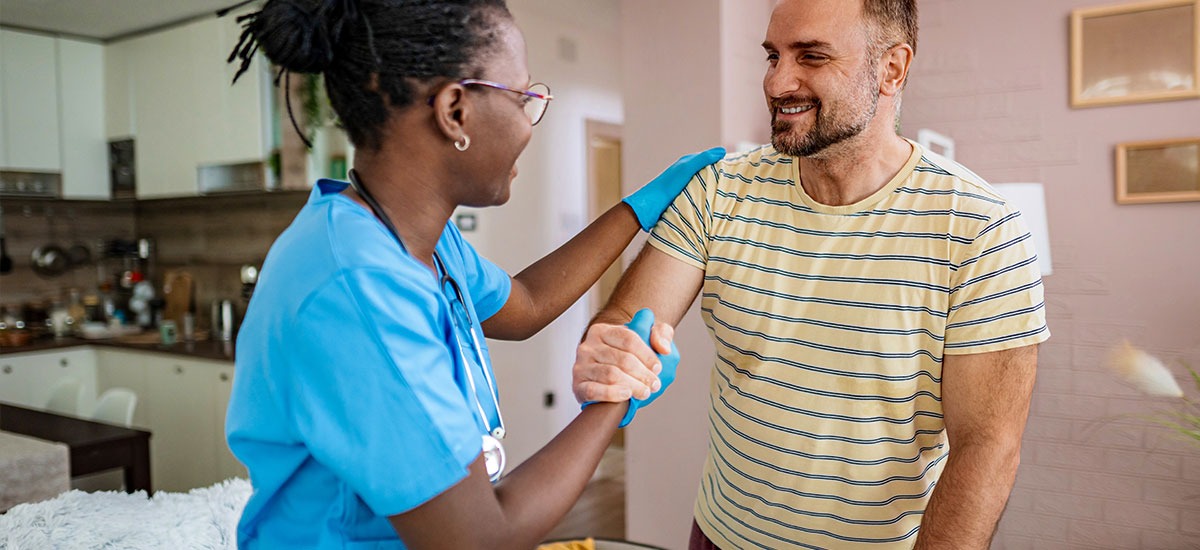
What reliable help at home looks like
Good in-home care is more than ticking boxes. It is about arriving on time, listening properly, and keeping routines consistent so the person feels secure. A dependable aide supports daily living tasks such as washing, dressing, meals, mobility, and light housekeeping, while also watching for small changes caring home health aides in Mission that could signal a problem. Clear notes, respectful communication, and a calm manner matter just as much as practical skills. When families understand what to expect day to day, it reduces anxiety and helps everyone plan work, appointments, and rest.
Personal care with dignity and choice
People accept support more readily when they still feel in control. Aides should ask before helping, explain each step, and offer options that fit personal preferences, culture, and privacy needs. This includes safe bathing, continence care, skin checks, and gentle encouragement to stay active where possible. For families medical social worker support searching for caring home health aides in Mission, it helps to look for teams that match carers thoughtfully, keep visits consistent, and respond quickly if needs change. Dignity also means speaking to the person directly, not over them, and protecting confidentiality.
Coordinating with clinicians and family carers
Home care works best when it fits alongside medical advice rather than competing with it. Aides can support medication prompts (where appropriate), follow physiotherapy routines, and help prepare for GP or hospital appointments by noting symptoms and questions. Families should share key information such as allergies, mobility limits, and emergency contacts, and agree how updates will be provided. When the care team and relatives use the same plan, it prevents missed steps and duplicated effort. Simple tools like a home log, shared calendar, and clear escalation rules can avoid confusion.
Social and emotional support that prevents crises
Isolation, low mood, and practical stress can quickly undermine physical health. This is where medical social worker support can make a real difference, helping people navigate benefits, housing issues, safeguarding concerns, and access to community resources. It also supports carers who may be juggling work, finances, and fatigue. Aide visits can reinforce this by encouraging social connection, setting up small achievable routines, and spotting warning signs such as appetite changes or withdrawal. When emotional wellbeing is treated as part of care, families often see fewer last-minute emergencies.
How to choose and monitor a care arrangement
Start with a clear assessment: what tasks are needed, what times, and what outcomes matter most. Ask about training, vetting, supervision, and how cover is provided if someone is off sick. Agree boundaries, including what an aide can and cannot do, and set up a review schedule so the plan evolves. Families should feel comfortable raising concerns early, without blame. Look for evidence of quality: punctuality, clean and safe practice, respectful interaction, and consistent reporting. Small adjustments, made quickly, usually prevent bigger problems later.
Conclusion
The best home care is practical, respectful, and well-coordinated, with the person’s comfort and safety at the centre. If you keep expectations clear, review needs regularly, and encourage open communication, support at home can remain stable even as circumstances change. For a simple starting point and useful information, you can check SDQ Healthcare Services and compare what different providers offer against your family’s priorities.