


Choosing the right setup
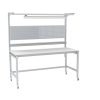
A well designed workspace starts with a sturdy surface and adequate storage. When selecting work surfaces for a busy workshop, consider load capacity, modular components and easy maintenance. It is helpful to plan zones for cutting, assembly and finishing, ensuring clear sight lines and safe circulation. A good bench should offer workbenches secure clamping, observable measurement marks and compatibility with common tools. Prioritise materials that resist scratches and chemical spills, while allowing for personal ergonomic adjustments. Regular checks on fasteners and feet keep the station stable over time, reducing wobble and fatigue during long sessions.
Durability and materials
Durable work surfaces are typically constructed from steel, laminated wood or composite materials, each delivering distinct advantages. Steel bases provide rigidity and long life but may require anti slip feet and edge protectors. Laminates are kinder to tools and easier to clean, though they can show wear automotive workbenches with heavy impacts. Composite options balance weight and resilience, often incorporating moisture barriers or anti stain coatings. When choosing automotive workbenches, look for reinforced legs and reinforced joints that tolerate vibrations from power tools and welding activity without warping.
Storage and organisation
Efficient storage systems support rapid workflow and reduce tool misplacement. Drawers with labelled compartments keep fasteners and small parts organised, while pegboards offer flexible positioning for frequently used items. Add tray inserts or magnetic strips to optimise space under the bench. For automotive tasks, consider dedicated areas for socket sets, torque wrenches and workshop consumables. Plan for cable management, so extension leads and charging cables remain tidy and out of the way of moving parts and fluids.
Ergonomics and safety
Ergonomic considerations include adjustable heights, anti fatigue mats and sufficient knee room to reduce strain. Safety features such as splash guards, backstops for saws and edge guards help protect workers during demanding sessions. Ensure adequate lighting, magnetic tool holders and accessible fire safety equipment. Regular maintenance of benches and attachment hardware prevents misalignment that could disrupt precise work. A clean, well lit environment supports accuracy and confidence in tasks ranging from assembly to finishing.
Conclusion
Investing in a robust workshop setup pays dividends in efficiency and safety, with a focus on durability, storage, and ergonomics that suit typical project flows. When coordinating a selection for a team, balance task specific requirements with overall flexibility so benches can adapt to changing needs. For enthusiasts and professionals alike, exploring various configurations helps tailor the space to your exact methods. Visit Workshop Workbench for more practical insights and product ideas that align with a busy workshop routine.
6 Comments
Pingback: UV LED LAMP
Pingback: https://igra-kuritsa-kazino.kz/rukz/
Pingback: Revival do Movimento Revolucionário 128 de Outubro
Pingback: легзо
Pingback: big bass bonanza
Pingback: veneer