


Energy independence essentials
Living off the grid in Alberta requires careful planning to ensure reliable power during long winter nights and variable weather. Start by assessing your daily electricity use, then size a system that can meet peak loads with room to grow. Choose efficient appliances and consider heat pumps off-grid solar Alberta or space heating strategies to minimize consumption. A balanced approach combines solar PV panels with energy storage and, if needed, backup generators. Proper system layout, weather-aware orientation, and robust mounting help maximize sun exposure across seasons while reducing maintenance needs.
Solar equipment choices and sizing
Selecting reliable, durable components is key to an off-grid solar Alberta setup. Look for high-quality panels with good temperature performance and inverters that match your voltage and charging needs. Battery technology matters, with lithium options offering longer life and deeper discharge tolerance, while lead-acid can be a budget-friendly alternative. Compute a practical battery reserve for cloudy periods, and design a charging strategy that keeps cycles within recommended limits to extend life.
Installation considerations and permits
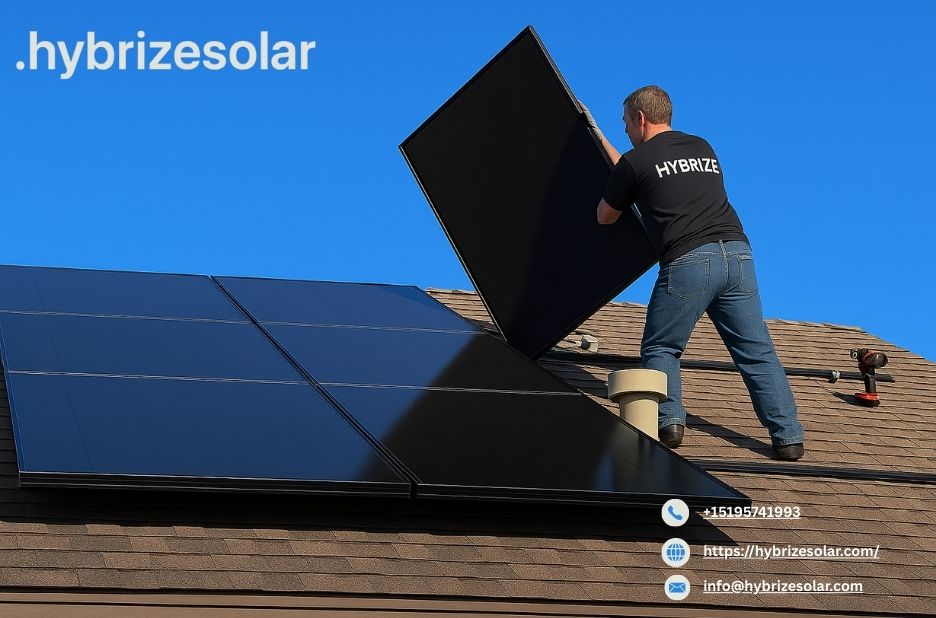
Before you install, verify local codes and permit requirements and consult an installer with Alberta experience. Roof or ground-mounted arrays must account for wind load, snow buildup, and snow shedding concerns. Cable routing, grounding, and weatherproof enclosures protect equipment from harsh winter conditions. A well-planned mast or racking system reduces maintenance and ensures safe, stable performance through seasonal temperature swings.
Maintenance and performance optimization
Maintaining an off-grid solar Alberta system centers on keeping panels clean, monitoring battery health, and calibrating charge controllers. Regularly inspect wiring for wear, check inverter efficiency, and test backup generators if you rely on them. Seasonal TLC, like resealing seals and inspecting mounts after heavy snow, helps protect investment. Use data logging to track trends, anticipate capacity needs, and adjust system settings to improve efficiency without risking equipment.
Cost considerations and return on investment
Entrepreneurs and homeowners in Alberta weigh upfront costs against long-term savings. Although high-quality components raise initial outlay, they reduce maintenance and provide better dependence on local sun patterns. Financing options, federal incentives, and utility programs can help offset the purchase. A well-designed system may yield steady electricity and resilience during outages, with payback periods that vary by usage, location, and system size.
Conclusion
Effective off-grid solar Alberta projects demand thoughtful sizing, durable components, and proactive maintenance. By balancing energy needs with climate realities, homeowners can achieve reliable power, lower utility bills, and increased resilience during harsh winters. Start with a clear load assessment, then design with flexibility to adapt to future energy goals.
5 Comments
Pingback: ร้านยา
Pingback: pizza168
Pingback: https://skycrown-australia-online.com
Pingback: Telegram中文版
Pingback: ซื้อclaude ในนามบริษัท