


Understanding the purpose of testing
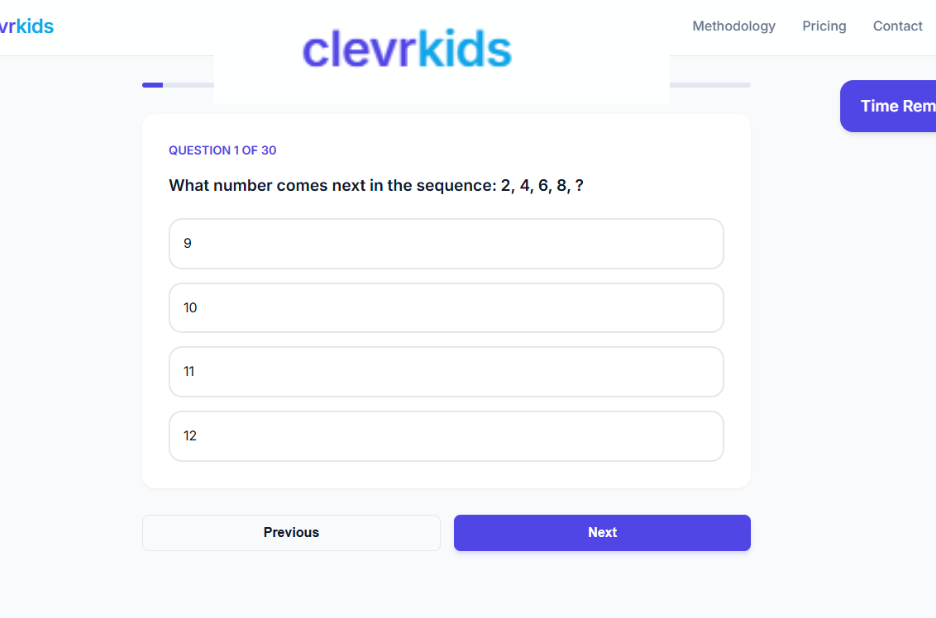
Parents often wonder how to gauge a child’s cognitive growth in a way that feels constructive and accurate. An IQ Test for Preschoolers can provide benchmarks that help families tailor activities, routines, and learning goals to suit a child’s unique pace. It is important to remember that such assessments IQ Test for Preschoolers are just one piece of a broader picture, reflecting current abilities, potential strengths, and areas where support may be beneficial. When approaching any test, create a calm, light environment and emphasise effort over results to reduce stress and encourage genuine engagement.
Choosing the right assessment tools
There are several options designed for early years, and their suitability depends on context and purpose. An IQ Test for Kids, adapted for younger ages, typically focuses on problem solving, memory, and processing speed in engaging tasks. Look for instruments validated for preschool settings, conducted IQ Test for Kids by trained professionals, and paired with practical feedback. Avoid overinterpreting scores; instead, use them as a framework to support discovery about a child’s learning style and interests, and to guide meaningful interactions at home and in school.
Interpreting results mindfully
Interpreting an IQ Test for Preschoolers should involve careful consideration of testing conditions, child mood, and context. A single score rarely captures the full cognitive landscape, so review qualitative notes, task-specific responses, and any recommendations for follow‑up activities. Families can translate insights into everyday practice—such as providing varied challenges, allowing for repeated practice, and celebrating perseverance. Collaboration with educators or clinicians helps ensure interpretations align with real-world experiences and educational goals.
Practical steps for daily enrichment
Focus on play-based learning that stimulates reasoning, language, and social interaction. Incorporate games that require pattern recognition, memory, and sequential thinking, while offering gentle prompts to extend thinking. Regular reading, storytelling, and hands‑on activities build vocabulary and conceptual thinking. Maintain a consistent routine, ensure adequate rest, and provide options for child-led exploration. By weaving cognitive challenges into daily life, you create fertile ground for growth without pressure or competition.
Ethical considerations and next steps
Respectful assessment practice prioritises the child’s wellbeing and dignity. Seek clarity on what the results mean for support plans rather than labelling capability. If discrepancies arise, consider re‑testing or seeking a second opinion to confirm findings and recommendations. Engage with trusted professionals to set realistic, achievable goals that honour the child’s pace and interests, and monitor progress over time to adapt strategies as needed.
Conclusion
In summary, thoughtful use of IQ tests in early childhood can illuminate helpful directions for learning and support. Remember that scores are one part of a broader profile that includes creativity, resilience, and curiosity. Visit clevrkids for more practical insights and resources to support families navigating early cognitive development, keeping the focus on constructive growth and joyful learning.