


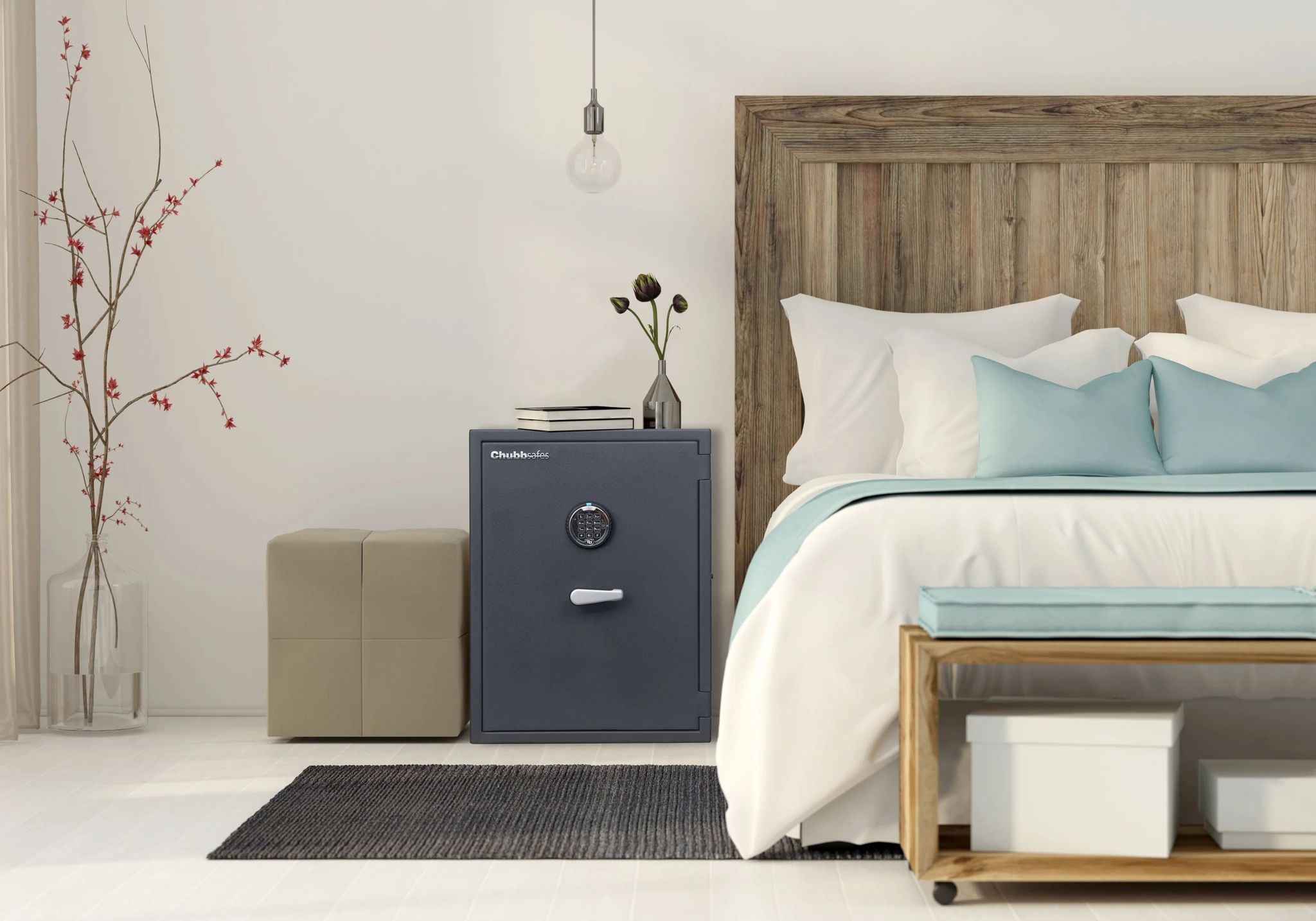
Choose the Right Protection Level for Your Items
Picking the right security safe starts with knowing what you want to protect and how you expect threats to happen. For example, documents and passports need reliable lock protection and safe handling, while cash or small valuables may call for stronger burglary resistance. security safes Many people also overlook fire exposure, so match the safe type to the most realistic risk in your environment. Make a simple list of your valuables, their approximate replacement value, and the conditions where they’re stored.
Once you understand the item category, focus on the safe’s construction and performance claims. Look for details like locking mechanism quality, door thickness, and how the safe resists forced entry attempts. For high-value electronics or collections, consider how the safe will handle day-to-day access without compromising security. If you’re comparing models, evaluate not only the price but also the practicality of opening and securing the safe each time.
Use Practical Placement and Installation for Maximum Effect
Even the strongest security safe can be weakened by poor placement, so treat location as part of the security plan. Choose a mounting position that reduces visibility and access, ideally away from spare keys, obvious hiding spots, or high-traffic entry points. If the safe will be chubb safes installed on a floor, ensure the mounting surface can support proper anchoring and that the fixings are compatible with the wall or floor type. When in doubt, follow manufacturer guidance or consult a qualified installer to avoid insecure installation.
Consider how the safe’s door swings and how you’ll use it under normal conditions, not just during emergencies. Clearances matter: you want enough space for the handle and key area so you can open the safe without struggling or damaging the door. For offices and retail locations, align the safe placement with staff workflows to prevent rushed access that can lead to mistakes. Also plan for power or accessory needs, such as lighting or alarms, if the safe model supports these options.
Dial in Access Control and Everyday Handling
Good security is more than the safe itself; it’s also the routine around keys, codes, and responsibility. Establish who can access the safe, how users are trained, and what steps are required when someone leaves a role. Keep keys or access credentials stored securely, and avoid copying or storing them in places that are easy to find. When using combination or electronic access, use a code policy that discourages guessable patterns and supports secure changes.
For practical daily use, pay attention to how you manage opening and closing habits. Many incidents happen when people rush, forget to engage the locking sequence fully, or leave the door ajar during busy moments. Use a checklist approach for businesses, such as confirming the door is locked before leaving the premises. If you’re storing sensitive documents, consider using inner pouches or folders to keep items organized and easier to retrieve. This reduces the temptation to leave paperwork exposed while searching, which improves real-world security.
Conclusion
work best when you treat them as part of a broader protection routine, starting with item selection, continuing through correct installation, and ending with consistent access control. A practical guide approach helps you avoid common pitfalls like underestimating risk, skipping anchoring requirements, or allowing access credentials to become loosely managed. Whether your priority is protecting documents, valuables, or business-critical items, matching the safe’s features to your actual needs leads to better outcomes.
To make selection easier, review safe categories and compare construction details, locking mechanisms, and installation considerations before purchasing. You can also explore available options from, where securitysafes.com.au offers a wide selection of quality safes designed for home and commercial use across Australia. With the right model and a sensible setup, you gain dependable storage for everyday security needs and greater peace of mind. If you’re also considering brands like, focus on documented performance and suitability for your specific valuables to ensure your choice stays practical over time.