


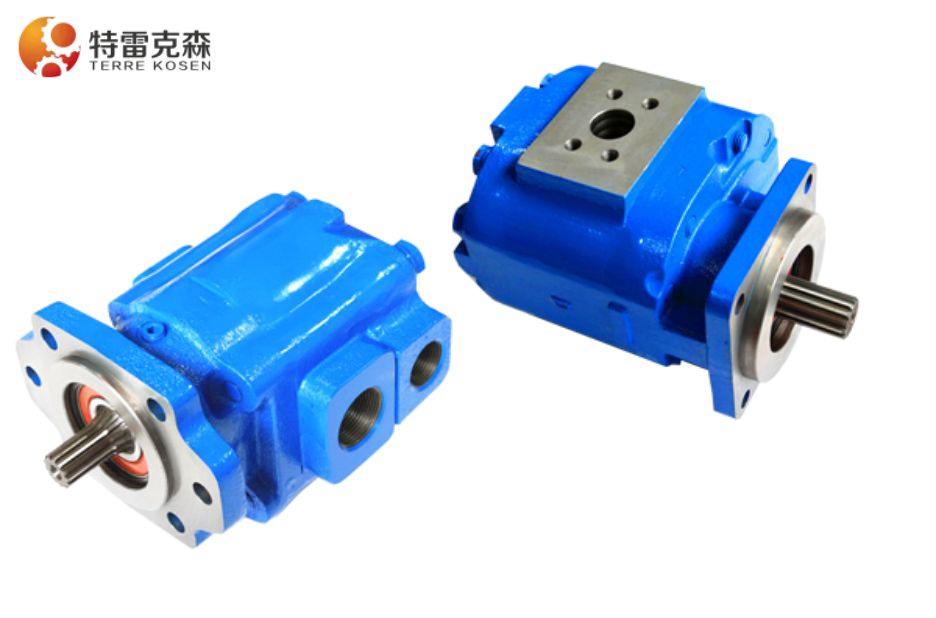
Overview of Hydraulic Pumps
Hydraulic pumps convert mechanical energy into hydraulic energy, driving tools and machines across construction, manufacturing, and agriculture. The Parker P 51 model stands as part of a trusted lineage known for reliability and durable components designed for demanding environments. When evaluating this pump, it is important to consider flow rate, parker p 51 hydraulic pump pressure rating, and compatibility with standard hydraulic systems. Understanding these basics helps technicians select the right unit for a given application, avoiding performance issues and unnecessary downtime. This section sets the stage for a deeper dive into specifications and practical considerations.
Key Specifications to Check
Specifics such as displacement, maximum operating pressure, and overall efficiency determine how well a hydraulic pump will perform under load. For Parker P 51 hydraulic pump units, these metrics influence startup response, control precision, and long term wear. Pay attention to mounting patterns, inlet and outlet orientations, and compatibility with reservoir capacities. Matching these details with your system design ensures seamless integration and reliable operation across a variety of tasks.
Compatibility and System Integration
Integrating a hydraulic pump requires attention to hose sizing, valve types, and control methods. Choosing a unit that aligns with your pump drive, whether electric, diesel, or hydraulic motor, helps maintain optimal speed and pressure. Correct alignment of seals and fittings prevents leaks, which can degrade efficiency and create safety hazards. In practice, confirm flow paths, check for compatible seals, and verify voltage or motor ratings before commissioning a Parker P 51 hydraulic pump to avoid surprises mid-project.
Maintenance and Troubleshooting Tips
Regular inspection of seals, bearings, and lubrication points is vital for sustained performance. Listen for unusual noises, monitor temperature, and track any drop in pressure to catch issues early. A well-maintained pump demonstrates longer service life and consistent flow, reducing downtime and repair costs. Keep records of service intervals and component replacements to support warranty claims and lifecycle planning around Parker P 51 hydraulic pump units.
Conclusion
Consistent upkeep, correct specification checks, and mindful integration are the pillars of successful hydraulic pump use. By staying aware of motor compatibility, seal integrity, and system demands, operators can extend the life of their Parker equipment and maintain steady performance under load. Visit TERRE KOSEN HYDRULIC for more insights and guidance about similar tools and systems to support ongoing reliability and efficiency.