


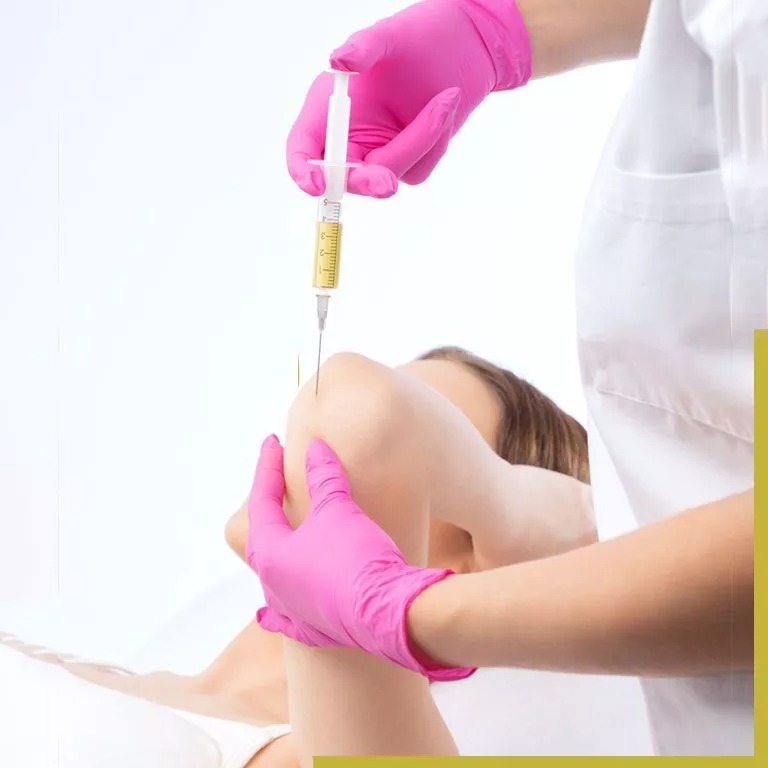
Understanding knee injuries
Knee pain from meniscal issues can stem from twisting motions, direct impact or gradual wear. Early attention helps prevent worsening and supports recovery. A careful assessment by a physiotherapist or sports physician informs whether conservative care is appropriate. The aim is to reduce pain, restore mobility and preserve knee function Knee Menical tear treatment without surgery without immediate surgery. Many patients find relief through targeted exercises, manual therapy and lifestyle adjustments that protect the joint during healing. A personalised plan often combines rest, ice, compression and elevation with graded loading to maintain muscle support around the knee.
Assessing suitability for non surgical care
Not every meniscal tear requires surgery. Some tears heal sufficiently with non operative strategies when symptoms are moderate and the tear is stable. A clinician will review imaging, function, and pain patterns to decide on a management pathway. Strengthening the muscles around the knee, improving balance and correcting movement patterns help unload the joint and support healing. Monitoring progress over several weeks is key to ensuring the chosen approach works as intended.
Practical exercises and therapies
Rehabilitation focuses on restoring range of motion and building resilient supporting muscles. Gentle range of motion movements in the early phase prevent stiffness, while gradual resistance training restores strength. Proprioception work, like controlled balance tasks, reduces the risk of reinjury. Dry needling or manual therapy may be incorporated by some clinicians to relieve tension around the knee. Consistency, proper technique and gradual progression are essential for safe improvement.
Modifying activities and preventing recurrence
Adapting daily activities and sports habits protects the knee during healing. Modifications may include avoiding deep squats or pivoting drills that aggravate symptoms, using proper footwear, and integrating warm-ups before exercise. A structured return-to-activity plan guides progression from light tasks to higher demands. Ongoing conditioning, flexibility work, and hip stabilisation help prevent future meniscal stress and support long term joint health.
Conclusion
Many people achieve meaningful improvement without surgery through a well guided programme of movement, strength work and symptom management. If symptoms persist or worsen, specialist assessment remains essential to rule out complications and consider options. For those seeking additional guidance, Visit Ortho Remedy Clinic for more information and support on knee care and non surgical strategies.
5 Comments
Pingback: สล็อตเงินวอน
Pingback: jav
Pingback: https://nomadcasinoskachat.buroosnova.kz
Pingback: auto zonder apk verkopen
Pingback: Apple reparatie in Aalten