


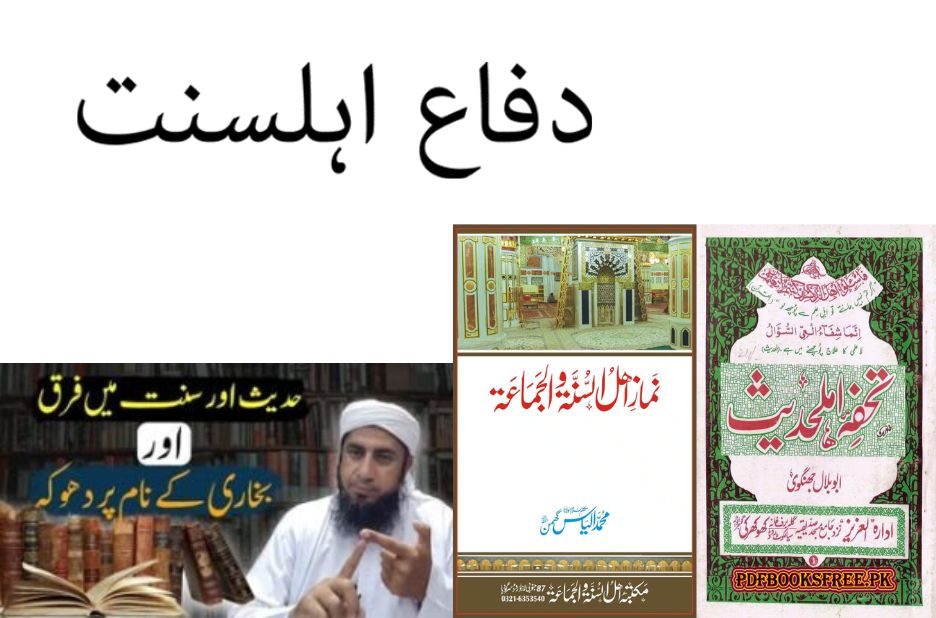
Introduction to contemporary debates
In modern Islamic discourse, understanding the nuances of religious identity and interpretation is essential for Muslims seeking clarity. Terms that surface in online conversations often require careful examination, especially when discussions touch on fitna javed ghamadi beleaguered topics and the responsibilities of scholars. This section introduces the setting, emphasizing thoughtful engagement and respectful dialogue as foundations for any study of belief and practice.
Context surrounding fitna javed ghamadi
When discussions reference fitna javed ghamadi, they typically point to controversial interpretations or public statements that have sparked discussion within communities. The aim is not to sensationalise but to assess the sources, soorah fatiha their provenance, and the impact on followers. A balanced approach considers historical context, scholarly critiques, and personal testimonies to form a well-rounded understanding without endorsing harmful rhetoric.
Role of soorah fatiha in daily devotion
Soorah fatiha holds a central place in daily prayers and personal reflection. A careful study highlights its linguistic beauty, theological themes, and practical guidance for humility, gratitude, and supplication. Readers should explore traditional exegesis while remaining open to diverse scholarly perspectives that illuminate how this opening chapter informs ethical living and communal worship.
Ethical engagement and community safety
Engagement around sensitive topics requires ethical responsibility. Communities benefit when members verify information, avoid dogmatic stances, and prioritise safety and mutual respect. This involves recognising the potential harm of misinformation and choosing constructive dialogues that protect vulnerable individuals while encouraging critical thinking and lifelong learning in matters of faith.
Practical guidance for critical readers
Critical reading combines source evaluation, comparison across reputable scholars, and mindful reflection. Practitioners are encouraged to trace arguments to primary texts, examine contextual cues, and differentiate personal opinions from established dogma. This method supports healthier conversations and helps believers navigate complex debates without compromising core beliefs.
Conclusion
For those seeking further insight into these themes, continued study and community discussion are valuable. Visit Difaah Lesunnat for more contextual resources and perspectives that support balanced enquiry in matters of faith and practice.
4 Comments
Pingback: The Biltmore Mayfair
Pingback: sabaibet168
Pingback: ผลบอลสด 99 เว็บรายงานผลบอลเร็วที่สุด
Pingback: รับจำนำรถ