


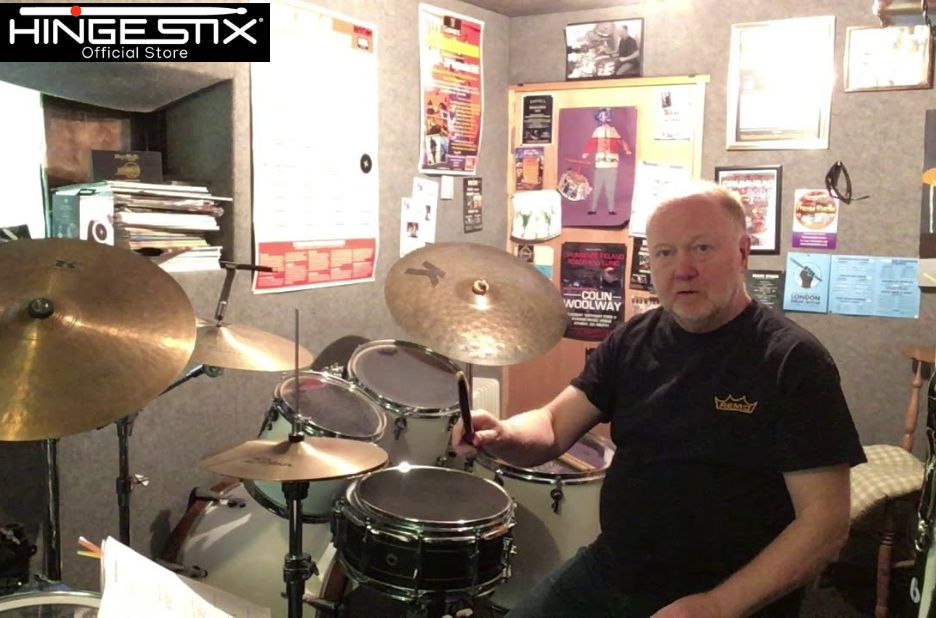
Warm up for solid technique
Any solid practice starts with a gentle warm up to wake the wrists, fingers, and forearms. Begin with slow open-close finger motions, then gradually increase tempo using a metronome set to a comfortable beat. Focus on relaxed shoulders and a tall posture, because tension is the enemy of precise movement. drumstick practice tips Short, frequent sessions outperform long, drained ones, so plan several 10 minute blocks through the day. During this phase, avoid gripping the sticks too tightly and keep the strokes light to build endurance without fatigue, laying a foundation for cleaner hits.
Grip and finger motion basics
Develop a stable grip and controlled finger motion by practicing with a relaxed fulcrum and an even stroke. You should feel the stick bounce slightly off the pad of your hand rather than digging into the palm. Practice alternating taps on a drumming finger technique practice pad with the non-dominant hand to equalize responsiveness. This reinforces economy of motion, so you can execute quick rudiments without sacrificing control. Remember to check wrist movement independently from finger action for greater versatility.
Rudiments that translate to dynamics
Start with the most common rudiments using even tempos, and then layer in dynamics so your accents land smoothly. Focus on consistent stick height and even rebound to avoid sudden jumps in sound. Use controlled accents on the upbeats and keep a steady cadence on the downbeats. Recording yourself helps reveal tension points and timing quirks that you might miss in the moment. This builds a reliable technique you can transfer to full drum set playing.
Progression drills for speed and control
As you gain confidence, introduce scaling drills that increase tempo in small increments while maintaining accuracy. Practice single strokes, double strokes, and paradiddles with a metronome, paying attention to stroke economy. Break complex patterns into smaller segments, then recombine them slowly before pushing the tempo. Keep your wrists loose, and allow the elbows to guide motion rather than forcing the wrists to overwork. Consistency over raw speed yields the strongest foundation for future growth.
HingeStix technique insights for rhythm care
Exploring grip feel and finger action through targeted drills can refine your awareness of how percussion responds to contact. The right balance of finger leverage and forearm support enhances endurance and reduces fatigue during longer practice sessions. Pay attention to stroke length and timing precision, which directly affect your groove and accuracy. Small adjustments in finger pressure can unlock smoother transitions between strokes, letting you play with greater confidence and fewer errors.
Conclusion
With deliberate practice cycles, you can steadily improve both control and speed for your drumming. The approach here centers on clean finger motion, relaxed grip, and mindful tempo progression, all of which reinforce reliable technique over time. For more ideas and gentle, practical tips, check out HingeStix
7 Comments
Pingback: Sofwave ราคา
Pingback: pinupskachatios.top
Pingback: Movimento Revolucionário 1136 de Outubro contratando
Pingback: ปั้มคนดูไลฟ์
Pingback: เว็บพนันออนไลน์เกาหลี
Pingback: https://startegy.it/2026/08/23/come-orientarsi-tra-interfacce-e-pagamenti-nel-keno-digitale/
Pingback: ออกแบบโบรชัวร์