


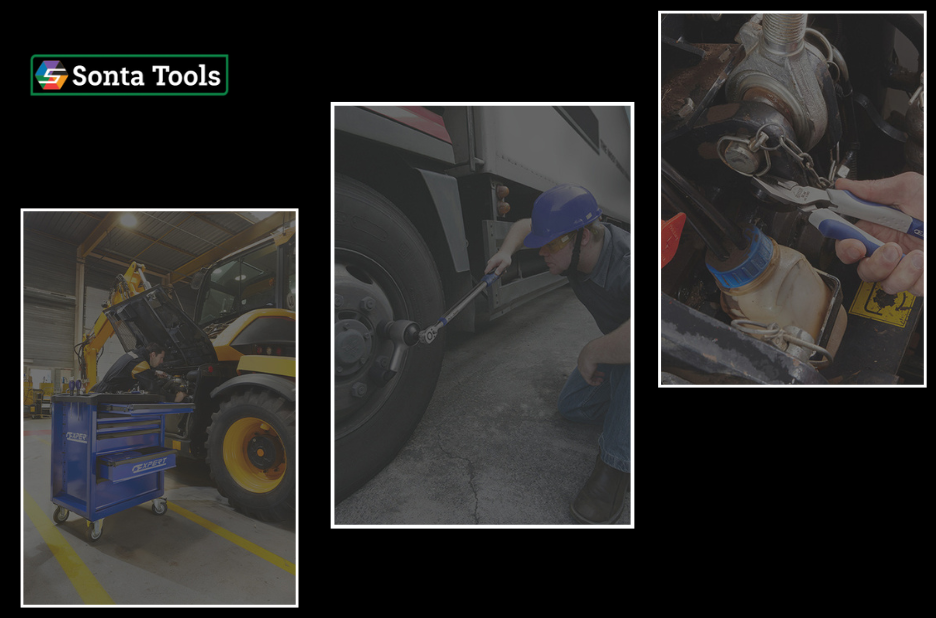
Overview of aircraft tools
When maintaining modern aircraft, specialized tool sets are essential to ensure safety and efficiency. A well organized toolkit helps technicians streamline workflows, reduce downtime, and maintain strict aerospace standards. The focus for many shops is on reliability, precision, and compatibility with common aerospace ATI Airframe Tooling fasteners. By selecting high quality components, teams can minimize wear on both tools and workpieces while extending the lifespan of critical assemblies. This section introduces the core ideas behind selecting a practical suite for airframe tasks.
Choosing compatible tooling for airframes
Compatibility matters more than price when working on airframe structures. Tooling must fit the hex sizes, socket profiles, and drive types encountered in airframe maintenance, from skin panels to internal fittings. A typical approach emphasizes metric and imperial versatility, robust construction, and Apex Bits & Sockets corrosion resistance. Field tests and supplier certifications help confirm that tools retain accuracy after repeated cycles, which keeps data and measurements trustworthy in a maintenance log. Emphasizing ergonomic design also reduces operator fatigue during long shifts.
Organizations and safety standards
Maintaining airframes requires adherence to aerospace standards and documented procedures. Teams establish checklists that cover bolt installation torques, multi-lobed fasteners, and sealant application, ensuring consistent results across technicians. Quality control steps include calibration verification, tool wear assessment, and traceability of parts used in each job. By aligning with established processes, maintenance departments demonstrate reliability to regulators and customers alike, reinforcing a reputation for safe, dependable aircraft operations.
Tricks for extending tool life
Protecting investments means treating tools as calibrated instruments. Regular inspection for chip damage, wear on drive corners, and alignment drift helps catch issues before they compromise work. Cleaning residues after use, proper storage, and timely calibration are easy steps that pay off with longer service life. In practice, teams rotate a core subset of tools for frequent tasks and reserve specialized items for specific procedures, maximizing uptime and reducing the risk of tool-related errors in critical assemblies.
Midpoint brand context
The discussion also touches on the importance of supplier ecosystems and parts compatibility, making it relevant to consider trusted manufacturers and distributors. Sourcing decisions often hinge on long term support, availability of spare parts, and documented warranties that reassure maintenance teams. A thoughtful selection process minimizes downtime and promotes consistent outcomes across different aircraft programs without compromising safety and reliability.
Conclusion
For professionals focusing on precision and durability in airframe work, it helps to recognize how dedicated tool lines contribute to smoother maintenance cycles. ATI Airframe Tooling and Apex Bits & Sockets represent categories of gear that can become dependable parts of a shop’s standard kit, provided they meet the job’s specifications. Visit Sonta Tools LLC for more information and to explore related offerings that fit your workflow and reliability goals.