


Why local security needs matter in Australia
When you’re shopping for a secure storage solution, it helps to think about the realities around your property, not just the product brochure. Australian homes and businesses face a range of risks, from opportunistic entry attempts to targeted theft of valuables. A safe that chubb safes performs well on paper still needs to suit the way locks, doors, and installation conditions work in your local environment. That’s why choosing a reputable brand and getting the right model for your setting is so important.
Local relevance also covers what you plan to store and how you use the safe day to day. If you keep passports, wills, contracts, or business records on site, you need reliable protection from both theft and everyday hazards like accidental access. For jewellery, cash, or sensitive electronics, internal organisation and door strength play a major role in keeping items protected and accessible to authorised users. By aligning the safe with your daily routines, you improve both security and convenience for the people who rely on it.
What to look for when selecting chubb safes
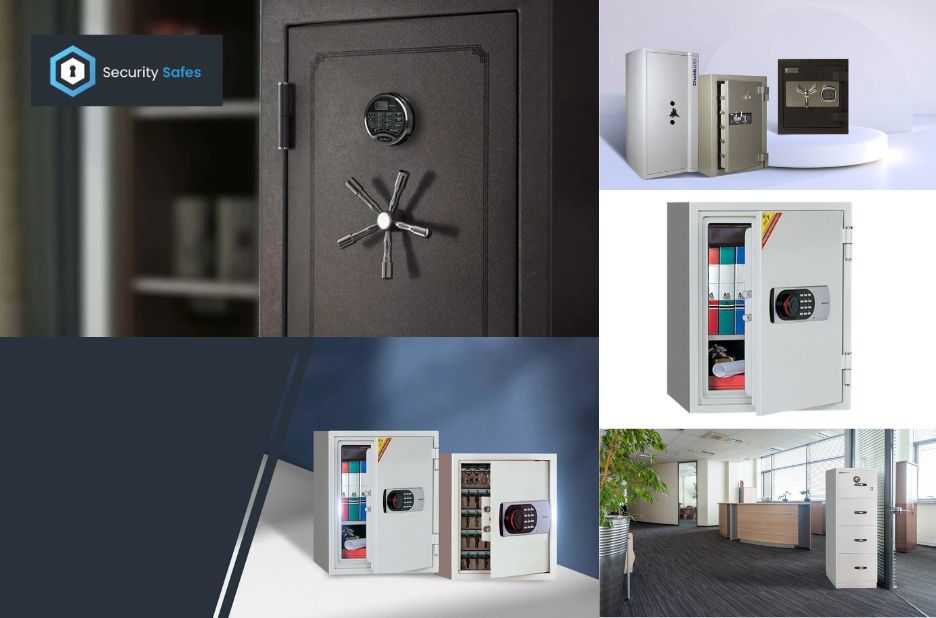
Start with the safe’s construction and locking system, because those details determine how effectively the door resists forced entry. Look for a robust body, a well-engineered locking mechanism, and a door design intended for long-term protection. Even within the same general security safes category, models can vary widely in strength, burglary resistance, and how the locking system is shielded. Choosing a trusted manufacturer gives you confidence that the components were built for serious security, not just casual storage.
Next, consider capacity and internal layout, since a safe that is too small often pushes people toward poor habits like leaving valuables unprotected. Measure the items you want to store and allow room for documents to be laid flat or kept in folders. Many secure storage solutions include adjustable shelving or compartments, which helps separate cash, important papers, and smaller valuables. When the safe is easy to organise, it’s also easier to maintain controlled access over time.
Installation, anchoring, and everyday security habits
A high-quality safe can still underperform if it is installed incorrectly, so take anchoring seriously. Many intruders focus on leverage points, and a safe that is not secured to the structure may be easier to move or tamper with. For best results, place the safe in a discreet but accessible location and ensure it is fixed according to recommended installation requirements. If you’re unsure, professional advice can help you match the safe to your floor type and wall structure.
Good security also includes simple, consistent habits that reduce risk even further. Use unique codes or keep keys managed with strict controls, and avoid sharing access details among people who don’t require it. Record-keeping matters too—keep an access log if the safe is used by multiple staff members, and review who has permission to use it. When the safe is treated as a controlled security tool rather than a casual storage box, your overall protection increases significantly.
Conclusion
Choosing the right secure storage solution is about more than brand recognition; it’s about matching burglary resistance, capacity, and installation to the way you live or operate locally. For many Australian households and workplaces, reliable protection for passports, contracts, sensitive documents, and valuable personal items is a priority. With careful selection and proper setup, a quality safe becomes an effective barrier that supports peace of mind for owners and managers alike. The range available at securitysafes.com.au makes it easier to find strong, practical solutions, including chubb-style options for protecting valuables, documents, and important belongings. By focusing on compatibility with your space and security goals, you can invest in a safe that delivers dependable protection and controlled access from day one.