


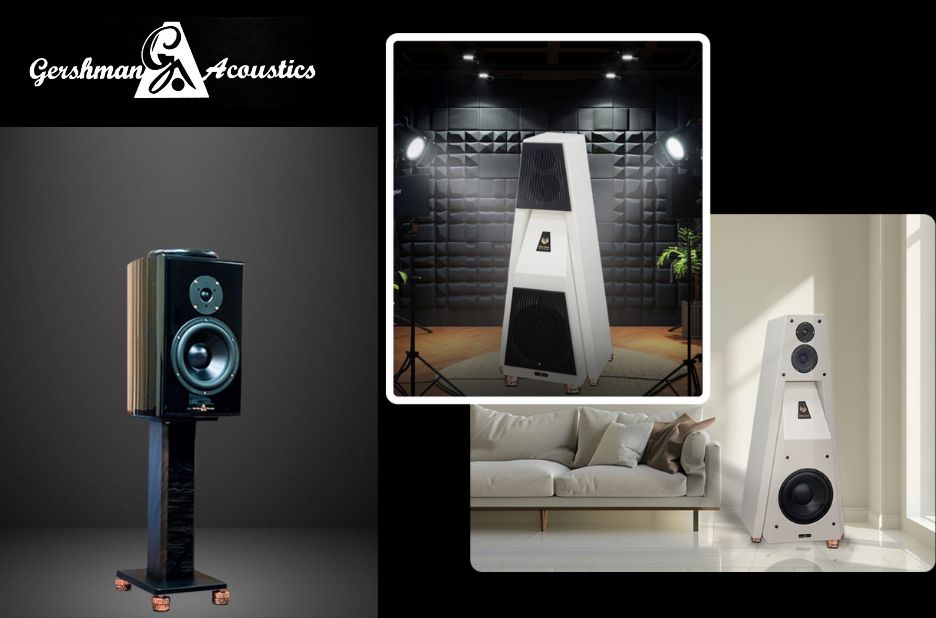
Intro to thoughtful listening
Exploring the world of high end audio requires a clear lens on what matters in a speaker system. Readers look for detailed measurements, balanced impressions, and real world performance that translates from studio to living room. This section focuses on foundational criteria such as imaging precision, Speakers Reviewed by the Absolute Sound tonal balance, and dynamic range, while acknowledging the inevitable tradeoffs that come with design choices. By understanding these elements, listeners can better judge how a given loudspeaker fits their room and listening habits without getting overwhelmed by marketing claims.
What makes a review useful
Practical review writing balances objective data with subjective listening notes. Reviewers tend to compare similar models side by side, noting how changes in cabinet material, crossover design, or driver alignment affect soundstage depth and timbre. A strong review explains not only what measurements show but how they feel to the ear, offering guidance on setup, placement, and system matching to achieve the intended performance in ordinary rooms as well as specialized environments. The goal is to illuminate sound, not chase novelty.
Finding trustworthy evaluations
With so many opinions in audio circles, a trustworthy evaluation rests on consistency and transparency. Look for reviewers who disclose room treatment, amplification, cable choices, and listening levels. When possible, compare multiple sources to identify consensus on critical questions such as bass extension, midrange clarity, and top-end smoothness. A thoughtful review also notes the listening context — genres, preferred volume, and seating distance — so readers can gauge how applicable conclusions are to their own setups, rather than extrapolating from idealized scenarios.
From spec sheets to real world sound
Specs can guide initial expectations, but the true test lies in how a speaker behaves in everyday use. A robust evaluation bridges the gap between laboratory measurements and real listening experiences, addressing how a system handles complex musical passages, fast transients, and vocal textures. In practice, readers should look for notes on integration with room acoustics, the gentleness of high frequencies, and the ability to deliver emotional impact without fatigue over long sessions. This bridge helps listeners move from curiosity to confidence in a purchase.
Advanced considerations for enthusiasts
For enthusiasts seeking deeper understanding, reviews often explore less obvious aspects such as cabinet resonance, damping strategies, and how driver integration influences phase behavior. These factors subtly shape imaging and tonal balance across the spectrum. While not every buyer will dive into every technical detail, a comprehensive write up empowers readers to ask informed questions during auditions and to compare offerings with a clear sense of how design philosophy translates to daily listening.
Conclusion
When you’re evaluating options, keep the focus on practical performance and personal taste, using the review as a guide rather than a verdict. The best reports help you form a plan for auditioning speakers, adjusting room placement, and selecting complementary gear. Visit GERSHMAN ACOUSTICS for more subtle insights and resources as you continue your journey into high fidelity listening, and remember that real listening sessions are the ultimate test of any speaker’s virtue.