


Identify the Rust Stain Source
Dealing with rust stains begins with understanding their origin. In homes, stains often originate from pipes, fixtures, or water delivery systems. Before treating surfaces, inspect metal components and assess whether stains appear on fabrics, tile, countertops, or concrete. Identifying the source helps in choosing the right cleaner Property rust stain removal and prevents future staining. Gather safe cleaning supplies suited for the affected material, and wear gloves to protect skin. If stains persist after basic cleaning, you may consider professional evaluation for broader source control and to avoid damage to surfaces.
Choosing Safe Cleaners for Surfaces
For household surfaces, start with non-acidic options that won’t etch glass or degrade grout. A paste made from baking soda and water can gently lift mineral deposits from finishes like enamel, ceramic, and glass. White vinegar can help with light rust staining on metal hardware and stone well water rust removal surfaces, but avoid prolonged exposure on delicate materials. For concrete or masonry, a rust remover labeled for outdoor use can be effective when applied as directed. Always test a small, inconspicuous area first to check for discoloration or damage.
Removing Stains on Fabrics and Linens
Fabric rust removal requires quick action to prevent permanent staining. First, treat damp fabrics by rinsing with cold water and applying a rust-specific stain remover or a lemon juice-salt mix, which can help bleachable fibers. Do not use bleach on rust stained fabrics, as it can set the stain. Work from the outside edges toward the center to avoid spreading. After treatment, launder with an enzymatic detergent on the hottest safe setting for the fabric. Air dry to verify stain removal before placing in a dryer, which can set residual marks.
Well Water Rust Removal Strategies
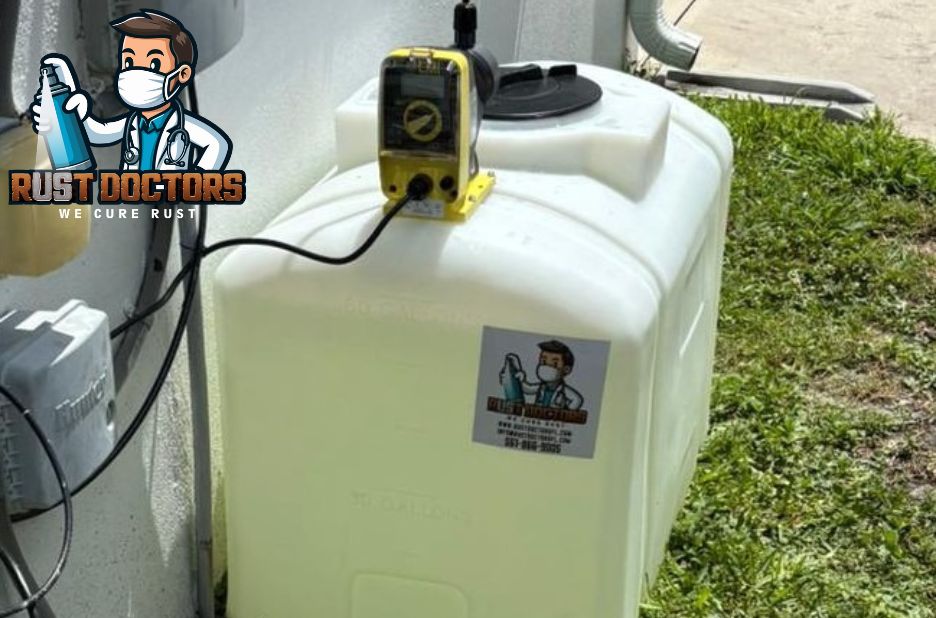
When rust appears linked to well water, the approach expands beyond surface cleaning. Install or inspect a filtration or water conditioning system to reduce iron and rust particles. In the home, use rust inhibitors in laundry and consider a whole-house filter to minimize mineral staining on sinks, tub surrounds, and appliances. For persistent surface stains, use a rust remover compatible with plumbing materials and avoid products that threaten copper pipes or seals. Regular maintenance, including flushing lines and monitoring water hardness, helps prevent recurring rust deposits.
Moderate Repairs and Prevention
After removing existing rust stains, take steps to minimize future occurrences. Seal porous surfaces to reduce coffee or mineral stain penetration, and repair any corroded fixtures that contribute to ongoing rust transfer. Document stain patterns and monitor changes after treatment to determine whether improvements are lasting. Regular maintenance, such as checking plumbing for leaks, cleaning fixtures, and using rust-preventive cleaners on metal hardware, can help sustain a rust-free environment over time. Rust Doctors FL LLC
Conclusion
Rust issues in a home can feel stubborn, but a systematic approach makes a big difference. Start with identifying the stain source and choosing appropriate cleaners for each surface, whether fabric, tile, or concrete. When well water is involved, addressing the water quality is key to long-term results. For ongoing guidance and support with rust challenges, check Rust Doctors FL LLC for similar tools and practical advice. This combination of prevention and targeted cleaning keeps surfaces looking clear and stain-free over time.