


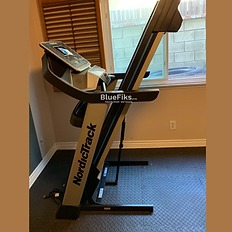
Choosing the right space
Setting up fitness gear starts with a clear plan for where it will live. Measure the area and note door widths, floor type, and nearby outlets. Consider traffic flow so you won’t block pathways or create hazards. A well placed setup makes it easier to complete a thorough fitness equipment assembly warm up and cool down without moving equipment mid session. Prioritise sturdy surfaces and secure anchoring points for heavy machines to prevent shifting during use. A tidy space also helps you stay consistent with workouts, reducing friction that comes from clutter.
Tools and preparation
Before lifting any box, gather the essential tools and keep a clear workspace. Common items include a metered screwdriver, allen keys, a rubber mallet and a level. Read the manual thoroughly to understand the sequence of assembly, noting any safety warnings. Place all small parts in a labelled tray and check that you have spare screws or bolts in case replacements are needed. Preparing in advance saves time and reduces frustration when pieces do not fit together smoothly.
Step by step assembly tips
Take a methodical approach, following the manufacturer’s instructions one step at a time. Begin with the frame or base, ensuring each joint is snug but not overtightened. Use a level frequently to keep components aligned as you progress. If instructions call for two people, arrange assistance to avoid strain or damage. Periodically pause to check that the unit remains square and stable. This careful cadence helps prevent instability that could compromise safety during workouts, especially on treadmills or multi-gyms.
Maintenance and safety checks
After assembly, perform a thorough inspection for any loose bolts, misaligned panels, or unusual noises during a brief test run. Tighten connections gradually, avoiding over-tightening that could strip threads. Wipe down surfaces to remove dust and sweat, and apply manufacturer recommended lubricants to moving parts if specified. Keep a routine of regular inspections, particularly after relocations or heavy use. A well maintained setup lasts longer and offers more reliable performance for daily training sessions.
Conclusion
Getting your cardio and strength gear ready for use doesn’t have to be complicated. By planning the space, preparing tools, and following each step with care, you create a safe and efficient workout area that supports consistent training. For practical tips and related resources, check BlueFiks for similar tools and guidance.
3 Comments
Pingback: สล็อตออนไลน์เกาหลี
Pingback: veneer
Pingback: Telegram下载