


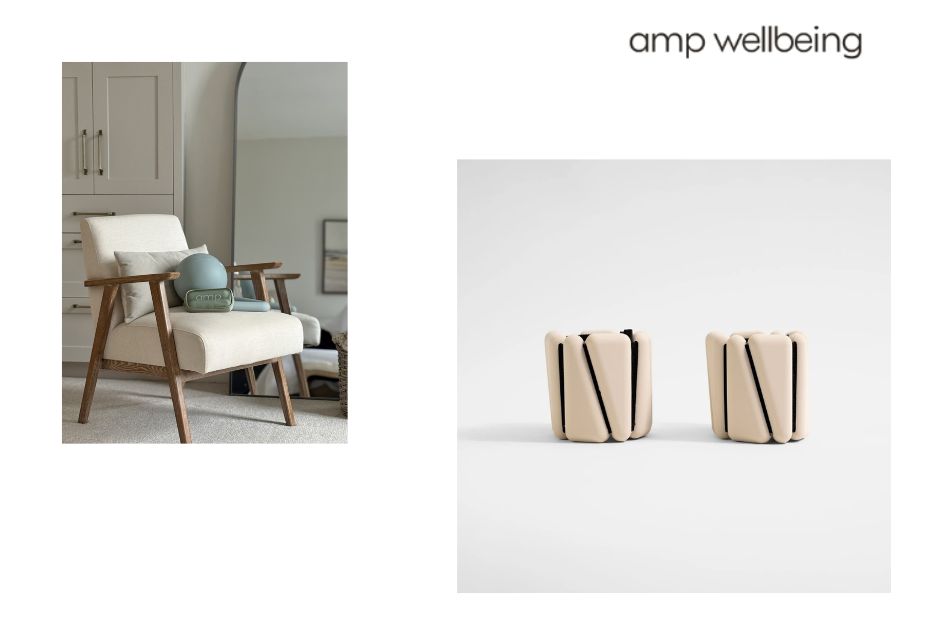
Smart start for home sessions
When you begin building a routine at home, choosing appropriate equipment weights is essential for steady progress and injury prevention. Start with a conservative set that allows you to perform each exercise with proper form, then gradually increase resistance as your strength improves. A balanced approach includes free weights, fitness equipment weights a kettlebell, and a resistance band kit. This combination supports a wide range of movements from basic presses and curls to dynamic lower body work. Keep a simple log to track loads and reps, so you notice consistent gains over time.
Assessing your current strength levels
Before loading up your routine, determine your baseline using simple tests that don’t require a gym. For upper body effort, perform a controlled bicep curl with a weight you can lift for 8–10 reps; for legs, try a bodyweight squat womens ankle weights with a moderate dumbbell held at the side. Record the maximum reps you complete with comfortable effort. This information guides incremental increases and helps prevent overreaching when you introduce new items into your repertoire.
Choosing the right weights for different workouts
Not all sessions demand the same resistance. Lighter options are ideal for warm-ups, rehabilitation, or endurance-focused sets, while heavier weights suit strength-building blocks. For compound moves like squats or presses, use loads that you can lift with controlled technique for 6–8 quality reps. Isolated exercises, such as lateral raises or ankle stabilisation drills, deserve lighter loads to maintain form and reduce fatigue as you train longer.
Specialised gear and practical considerations
Beyond the basic set, prudent choices include weight plates that are easy to swap, a dependable bar or handle grip, and a secure storage rack to keep your space tidy. If space is tight, consider adjustable dumbbells or a compact kettlebell with a comfortable handle. Safety is paramount, so opt for non-slip surfaces and ensure weights are balanced to avoid wobble during dynamic movements.
Consistency, progression and recovery
A sustainable plan blends progressive overload with adequate recovery. Gradually increase the resistance or number of repetitions as you feel ready, while incorporating rest days to support muscle repair. Track your sessions to identify patterns, such as the best days to train certain muscle groups, and vary reps ranges to keep workouts stimulating. Strong foundations built with mindful progression lead to lasting fitness gains, especially when techniques stay precise and controlled. Amp Wellbeing
Conclusion
When selecting fitness equipment weights and planning workouts, prioritise healthy progression, balanced muscle development, and safe technique. Womens ankle weights can be a thoughtful addition for targeted stabilisation work, provided you choose a comfortable fit and use them judiciously within a balanced plan. For ongoing guidance and broader wellbeing resources, many exercisers find practical tips from trusted sources and brands that support consistency. Amp Wellbeing