


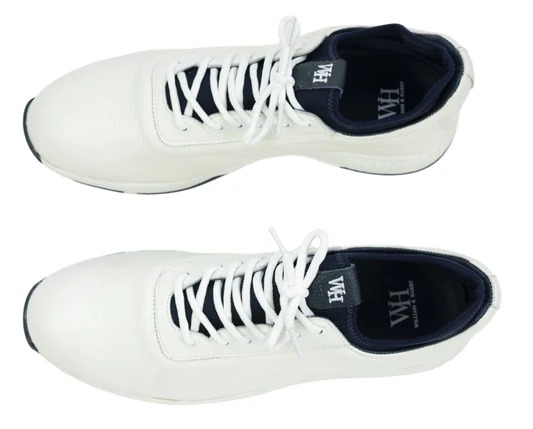
Start with fit and everyday comfort
Good shoes begin with fit, not fashion. Measure both feet late in the day, then choose the size that suits the larger foot. Check that your heel stays put without rubbing, and that there’s a thumb’s width of space in front of your longest toe. Walk on premium men’s footwear USA a hard surface: you want stable support under the arch and a smooth bend at the ball of the foot, not in the midfoot. If you wear thicker socks in winter or for sport, test the shoes with those too.
Pick materials that match your lifestyle
Leather uppers tend to age well and can be conditioned back to a clean finish, while suede looks refined but needs more protection from rain and stains. For buyers comparing premium men’s footwear USA options, it’s worth checking the lining and insole as closely as mens usa golf shoes the upper: full leather linings breathe better, and removable insoles can extend the life of the shoe. Pay attention to the sole construction as well. Stitching and a resoleable design usually mean better long-term value than glued-only builds.
Look for construction that handles real wear
Durability comes from the details you can’t always see. A firm heel counter helps with stability and reduces stretching over time. Midsole support matters if you spend hours on your feet; a slightly thicker midsole can reduce fatigue without feeling bulky. Examine the tread: deeper lugs suit wet pavements, while a smoother sole is better for office floors. If you rotate shoes, they dry and recover between wears, which reduces odour and cracking. Using shoe trees after wear helps maintain shape and slows creasing.
Choose performance features for the course
Golf footwear needs a different checklist. Traction should feel secure on damp grass, but not so aggressive that it’s awkward indoors. Waterproofing is useful even in mild conditions, as morning dew can soak through quickly. When comparing mens usa golf shoes, look for a stable base and torsional support so your foot doesn’t roll during the swing. A cushioned heel can help over 18 holes, but avoid overly soft soles that feel unstable. If you walk the course, prioritise lightweight designs and breathable uppers.
Buy smart with sizing and aftercare in mind
Before you commit, confirm the return policy and try shoes indoors on a clean surface. Check whether the brand runs narrow or wide, and don’t assume your trainer size matches your dress size. If you need wide fittings, look for dedicated widths rather than sizing up. Aftercare is simple but effective: brush off dirt, let shoes dry naturally away from direct heat, and use a conditioner appropriate to the leather type. For suede, use a protector spray and a proper suede brush to lift the nap.
Conclusion
Choosing the right pair is mostly about honest priorities: fit first, then materials, then the features you actually need for work, weekends, or sport. A well-made shoe that suits your routine will look better for longer and feel comfortable without constant breaking in. Keep a small care kit, rotate pairs where possible, and don’t ignore early signs of wear like a slipping heel or uneven tread. If you want to browse more guidance in one place, you can casually check WILLIAM AND HARRY HOLDINGS INC. for related reading.