


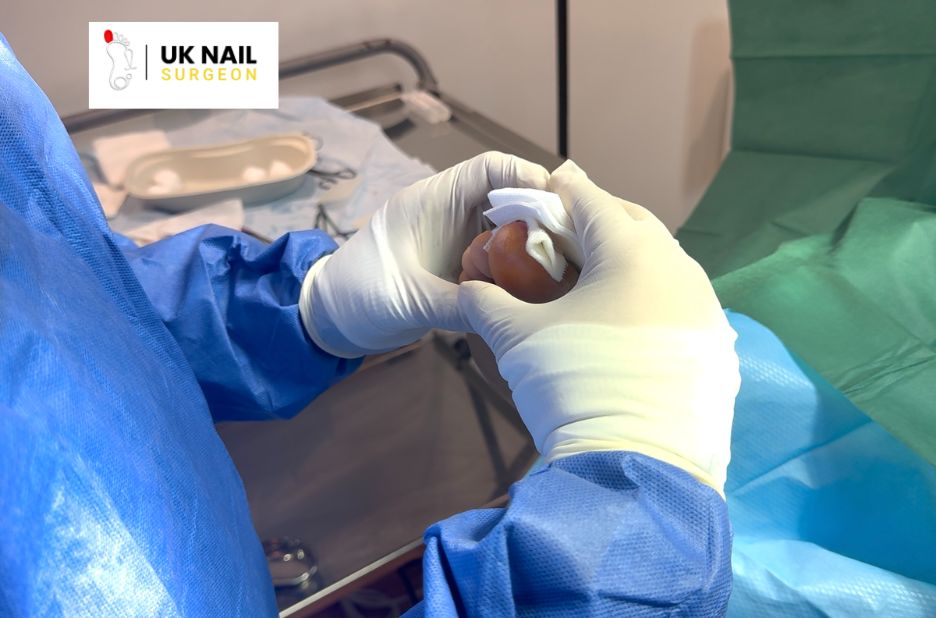
Overview of fungal nails treatment
Fungal nails treatment is a common concern for many, especially when symptoms such as thickened nails, discolouration, or brittleness appear. The approach combines assessment by a clinician with home care to reduce symptoms and prevent spread. Early steps often include keeping nails trimmed, dry feet, and Fungal nails treatment avoiding shared damp items like towels or footwear. Regular monitoring helps decide whether over‑the‑counter options suffice or a prescription is needed. Understanding the condition, its causes, and the potential outcomes can empower patients to seek appropriate care without delay.
When to seek professional assessment
Fungal nail treatment becomes more effective when a professional evaluation is obtained, particularly if there is pain, spreading redness, or if the nail changes worsen. A clinician may perform a physical examination and sometimes take a Fungal nail treatment sample to confirm the fungus. Treatment plans can then be tailored to the severity, lifestyle, and any underlying health issues. Early intervention minimises disruption to daily activities and improves long‑term results.
Common treatment options available
Topical antifungal products may be suitable for mild infections, but persistent cases often require oral medications, which should be prescribed after a professional assessment. In addition to medication, surgeons and podiatrists sometimes recommend debridement to reduce nail thickness and enhance penetration of treatments. Alongside medical therapy, maintaining dry feet, wearing breathable footwear, and avoiding nail trauma support healing and reduce recurrence.
Practical care and self management
Practising good foot hygiene forms part of any effective strategy. Keep hands and feet clean and thoroughly dried after washing. Change socks daily and choose moisture‑wicking materials. Avoid sharing nail files or clippers, and disinfect tools between uses. If you swim or use public showers, wear protective footwear. These habits help limit fungal spread and complement any prescribed treatment plan.
Managing expectations and prognosis
Fungal nails treatment outcomes vary; nails grow slowly, and complete clearance may take months. Consistency with prescribed regimens is crucial for success, and follow‑up visits enable the clinician to adjust therapy if needed. In many cases, nails return to healthier appearance gradually, though some individuals may require ongoing maintenance. Patience and adherence are essential to prevent relapse and preserve nail quality over time.
Conclusion
For anyone navigating fungal nails treatment, a measured combination of professional guidance and careful self‑care tends to yield the best results. Staying informed about options, costs, and timelines helps set realistic goals. UK Nail Surgeon