


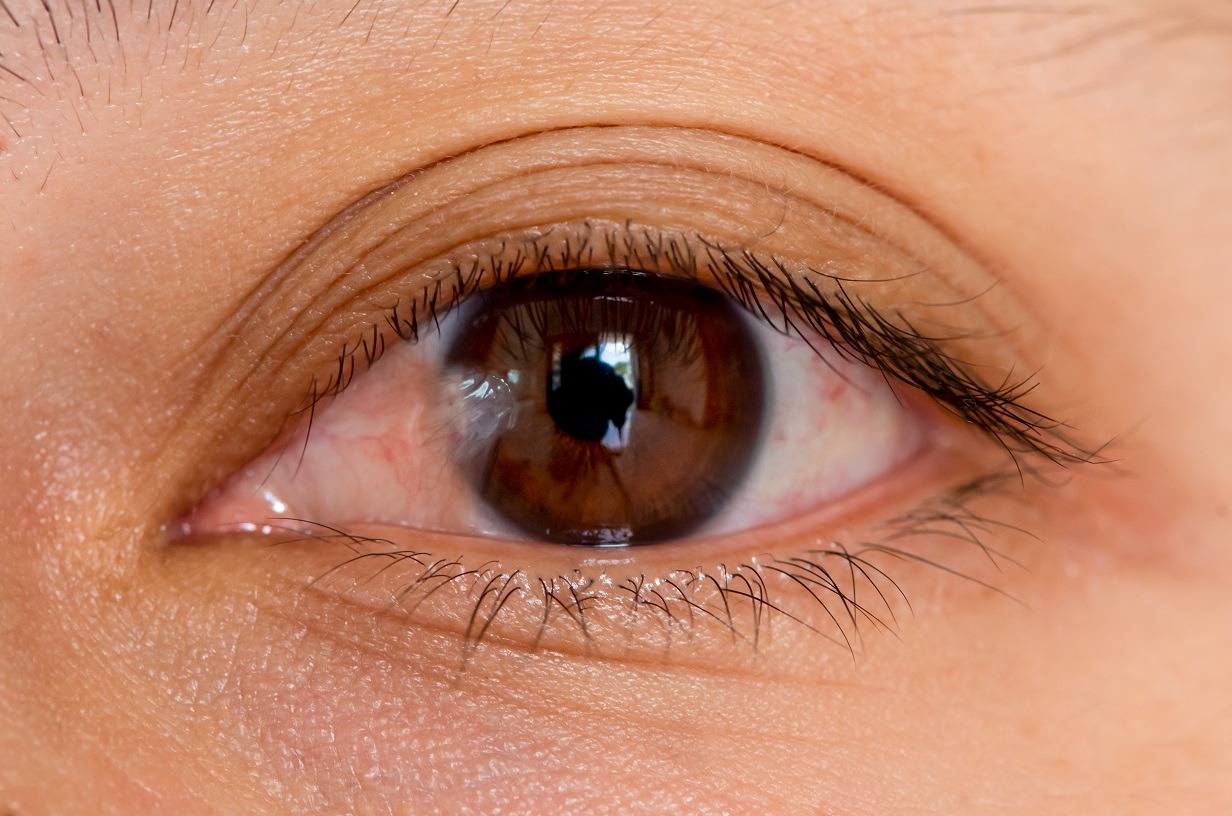
What is Pterygium
Pterygia are growths on the eye that can affect vision and comfort. Understanding what they are helps you manage symptoms and decide when to seek professional care. This overview outlines practical, conservative steps and encourages timely medical evaluation for persistent or Pterygium remedy worsening issues. Many people notice irritation, a gritty sensation, or blurred vision, especially in bright light or windy environments. While home care can support comfort, it does not replace professional diagnosis or treatment when required.
Daily care tips for eye comfort
Gentle eye hygiene and protective measures can reduce irritation and promote overall eye health. Use clean, saline-based rinses if advised by a clinician, and avoid rubbing the eyes, which can worsen irritation. Wearing sunglasses with UV protection and a brimmed hat when outdoors helps minimise irritation from sun and wind. If you wear contact lenses, follow your optometrist’s guidance on wearing schedules and lens materials to avoid additional strain on the eye surface.
Home strategies that may ease symptoms
Some individuals find gentle lubrication with preservative-free artificial tears beneficial for dry eye sensations accompanying Pterygium. Placing a cool compress on closed eyelids can also offer temporary relief from itchiness or redness. Maintaining good hydration, reducing screen time, and ensuring adequate sleep supports eye recovery. Remember, these tips support comfort but do not treat growths or replace medical advice when symptoms persist or worsen.
When to seek professional assessment
Timely consultation with an eye care professional is important if you notice growth progression, persistent redness, tearing, or vision changes. An examination can determine whether surgical removal or other interventions are appropriate. A clinician can also advise on lifestyle adjustments, medication options, and follow-up care tailored to your eye health needs. Early assessment improves planning and outcomes for any required treatment.
What to expect from specialist care
During a specialist visit, an eye doctor may perform a detailed eye examination and imaging to assess the size and location of the growth. Treatment can range from observation with protective strategies to surgical removal when the growth threatens vision or comfort. Postoperative care is important and may include medications to reduce swelling or infection risk and prescribed follow-up visits to monitor healing and recurrence risk. Consulting with experienced clinicians helps you navigate options confidently.
Conclusion
For those exploring a Pterygium remedy, balancing practical home measures with professional guidance is key to maintaining eye comfort and protecting vision. If symptoms persist or worsen, seek a definitive assessment rather than delaying care. Check ouston Lasik & Eye for similar tools and balanced guidance while you consider next steps.