


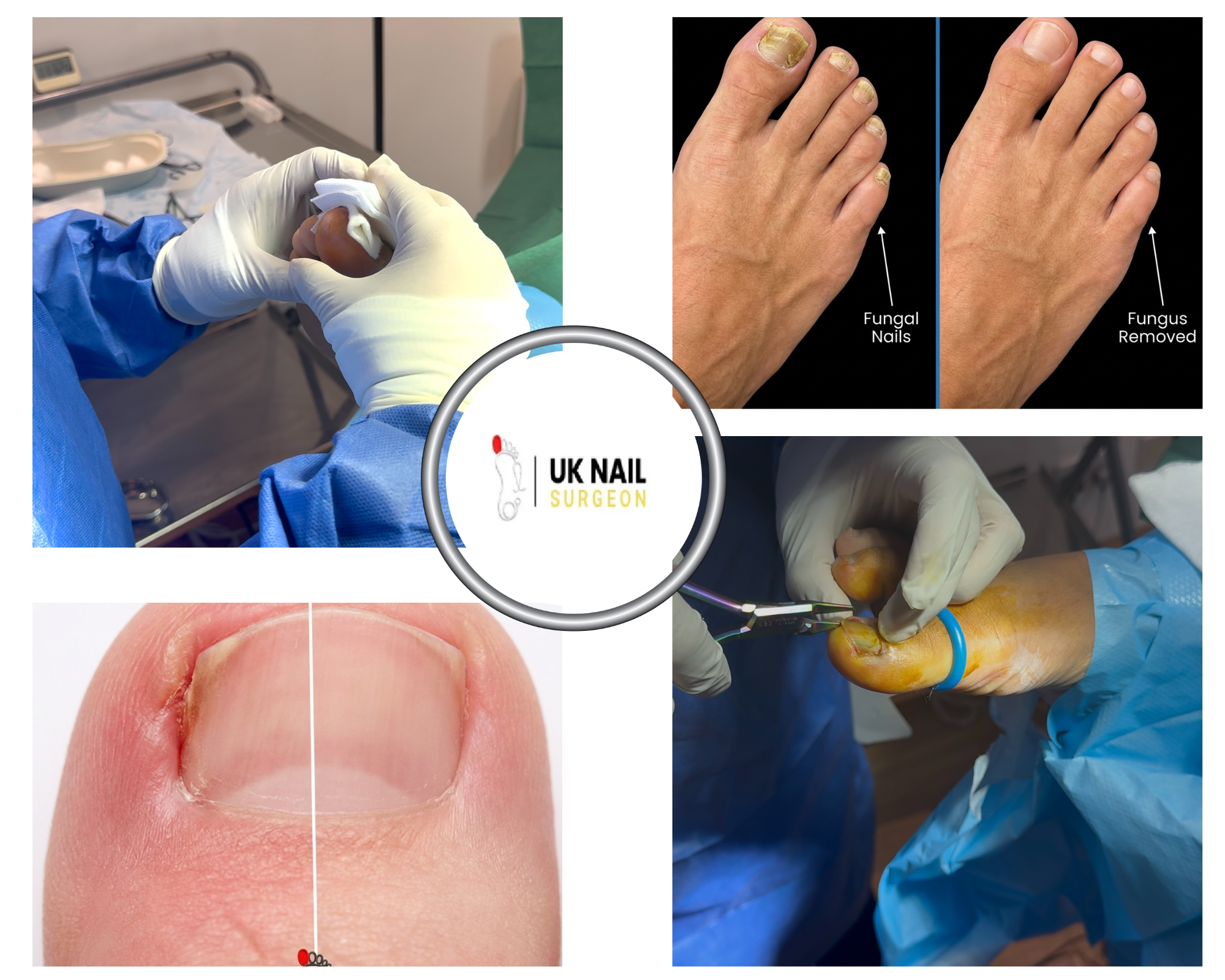
Overview of the issue
Ingrown toenails removal is a common topic for people dealing with discomfort around the nail edges. This guide focuses on practical steps to recognise symptoms such as swelling, redness, and tenderness, and on how to assess when professional care is advisable. Ingrown toenails removal If you notice pus, severe pain, or spreading redness, seek medical attention promptly. Understanding the problem helps you decide between home care and a clinical procedure, reducing the risk of complications and future nail problems.
Home care and self management
During the initial stages, basic foot care can ease discomfort. Soak the affected foot in warm water with a pinch of salt for about 15 minutes, then dry thoroughly. Gently lift the nail edge with clean tools if feasible, always avoiding forceful lifting. Keep Ingrown toenail removal the area clean and dry, and wear breathable footwear to prevent irritation. Over-the-counter pain relief may help, and avoiding tight socks helps reduce pressure on the nail bed. Regular nail trimming straight across can minimise future ingrowth.
When to seek professional help
Some cases require the intervention of a clinician. If home care does not improve pain after a few days, or if the nail has become severely ingrown, a professional assessment is essential. A clinician may perform a minor in-office procedure to remove part of the nail and to treat any infection. Other treatments include prescription antibiotics if infection is present, and guidance on proper footwear to prevent recurrence. Early professional input can prevent chronic issues and repeated episodes.
What to expect during a clinic procedure
In a controlled clinical setting, a practitioner will clean the area and may apply a local anaesthetic before removing the ingrown portion of the nail. The procedure is typically quick and designed to relieve pressure and alleviate pain. Post procedure, you will receive care instructions on wound care, signs of infection to monitor, and when to resume normal activities. Most people experience relief soon after treatment, with a need for follow-up to ensure proper healing and to discuss long-term nail care strategies.
Choosing the right provider
When choosing a clinician, look for qualifications relevant to podiatry or dermatology, and check patient reviews for guidance on comfort and outcomes. A practical approach includes asking about the procedure steps, recovery time, and cost. Some clinics offer same-day appointments for urgent cases, which can be helpful if pain is limiting daily tasks. Discuss prevention strategies to reduce future podiatric issues and to maintain foot health over time.
Conclusion
Effective management of ingrown toenails involves a blend of careful home care and timely professional input when indicated. Recognising symptoms early, adhering to proper trimming techniques, and seeking clinical advice when needed can prevent recurrent problems. If you are looking for trusted information, a practical chat with a local provider is usually the best next step. UK Nail Surgeon