


Overview of cultivation methods
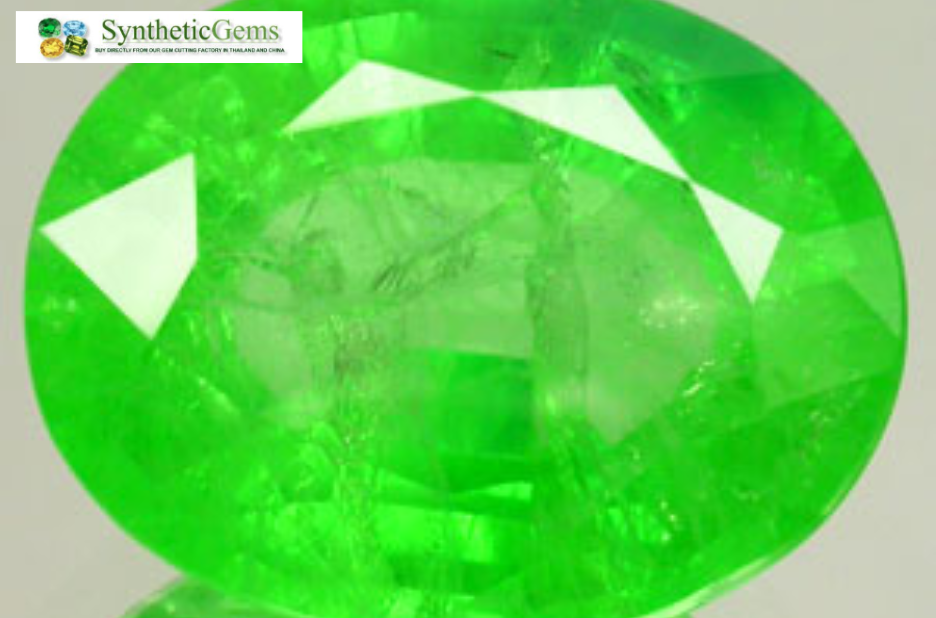
The term lab grown gems describes stones produced in controlled environments that replicate natural geological processes. These creations are formed in laboratories or specialised facilities using precise techniques to develop the same atomic structure and beauty as mined stones. Practitioners compare methods such as high pressure, lab grown gems chemical vapour deposition, and crystallisation to understand how the final character of each gem is shaped. For buyers, this information helps gauge durability, colour consistency, and cut quality while keeping expectations grounded in real differences from naturally mined counterparts.
Assessing quality and value
When evaluating lab grown gems, shoppers should consider colour zoning, clarity, cut grade, and carat weight. The consistency of manufacturing often leads to fewer internal imperfections, but the perception of rarity shifts with supply monitoring. Transparent lab reports and independent grading can provide assurance about authenticity and treatment disclosure. While price may be more attractive than mined equivalents, buyers should still weigh long term resale value and personal enjoyment against initial cost.
Ethical and environmental considerations
A key appeal of these stones is the potential to reduce environmental disruption associated with mining. By limiting waste, emissions, and habitat damage, producers highlight a more sustainable pathway for consumers who care about ethical sourcing. However, critics point to energy use in processing and the need for responsible recycling of obsolete stones. In practice, informed choices depend on the full lifecycle of the gem from creation to setting and eventual reuse or disposal.
Market trends and consumer guidance
As demand grows, laboratory grown gems are increasingly showcased in mainstream jewellery and specialised collections. Retailers emphasise consistency in colour and tone, while gemological laboratories expand testing to cover new varieties. Shoppers should confirm provenance, warranty terms, and post purchase services. By comparing options across suppliers, buyers can align personal style with value while maintaining clear expectations about durability and longevity.
Conclusion
For those curious about modern gemstone production, the practical route is to study a range of stones and consult reputable vendors. Visit synthetic gems for more context and examples of how these stones appear in everyday settings, which can complement in store demonstrations and official grading reports. In short, informed choices bridge aesthetics, ethics, and cost when exploring lab grown gems.