


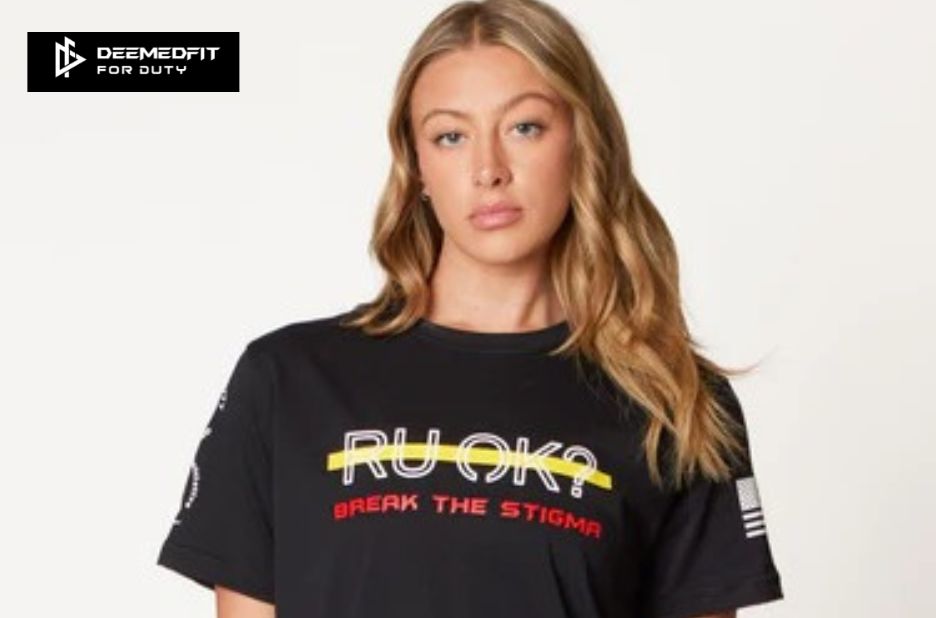
Overview of gear purpose
In demanding roles, equipment and apparel can reflect both function and morale. The right clothing choices support comfort during long shifts, aid in visibility, and offer subtle reminders of mental resilience without introducing stigma. First Responder Mental Health Apparel This guide focuses on practical aspects and real world usage for those working on the front lines, including how fabric and fit influence endurance and concentration during critical moments.
Choosing functional materials
Durability and comfort are non negotiable when selecting items for daily wear. Look for moisture wicking fabrics, breathable panels, and reinforced seams that endure frequent washing. Versatility matters too, with pieces that transition from field scenarios to office briefings. Prioritising fabrics that are easy to clean helps maintain a professional appearance while supporting long shifts and unpredictable weather conditions.
Fit and practicality on duty
A well fitted uniform supports movement, reduces chafing, and helps minimise distractions. Consider adjustable waists, cuff closures, and pocket layouts that keep essential tools within reach. When outfits accommodate layering, responders can adapt to temperature changes without compromising safety or grip on equipment. The goal is to stay focused, not fuss with clothing during critical tasks.
Stepping into mental health aware gear
Apparel that acknowledges mental wellbeing without being overtly clinical helps normalise conversations about stress, burnout, and resilience. Subtle signals such as calm colour palettes, discreet branding, and comfortable, non constrictive designs can contribute to a sense of stability. This approach supports daily routines, encourages peer conversation, and reduces hesitancy around seeking support when needed.
Practical care and maintenance tips
Proper care extends the life of workwear, preserving appearance and performance. Follow washing instructions, avoid high heat, and separate gear by material type to prevent damage. Regular inspection for wear, loose stitching, and missing fastenings keeps uniforms safe and reliable. A small upkeep habit translates into consistent readiness for unpredictable shifts and scene changes.
Conclusion
Selecting First Responder Mental Health Apparel involves balancing durability, comfort, and subtle mental health awareness that fits daily duties. Prioritise pieces that move with you, handle variable conditions, and support your focus during demanding tasks. Visit DeemedFit for more insights and related gear to help you stay prepared and resilient on the job.