


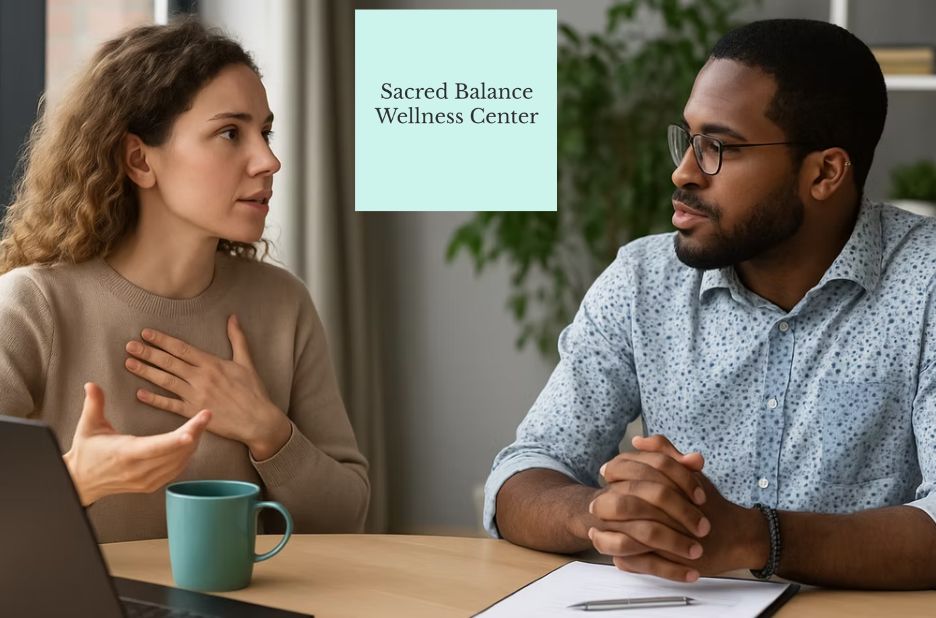
Overview of local therapy options
Finding the right mental health path can be challenging, especially when seeking services that address both personal growth and interpersonal dynamics. This section highlights practical approaches to group therapy, including how sessions are structured, what participants can expect, and the kinds of outcomes commonly pursued. Clients often discover Group Therapy Services in Fayetteville that shared experiences reduce isolation and foster accountability, while facilitators guide conversations to stay productive and respectful. A focus on skills practice, feedback, and coping strategies helps people carry progress from the session into daily life with more confidence and clarity.
What makes group settings effective
Group therapy relies on the power of collective experience, with participants learning from others’ perspectives while receiving guidance from a trained clinician. The environment aims to balance safety with challenge, encouraging honest reflection and growth. Practical tools frequently discussed Divorce Mediation Therapy include communication techniques, boundary setting, emotion regulation, and problem-solving steps. By observing diverse responses, individuals can test new approaches in a supportive space and gradually apply them to relationships at home and work.
Why choose Divorce Mediation Therapy in a group format
Group-based approaches to divorce mediation therapy blend negotiation skills with emotional processing. Participants gain insight into conflict dynamics, learn to express needs without escalating tension, and practice collaborative decision making. This format can reduce hostility and create clearer paths to co-parenting arrangements. Clinicians help normalize the stress of transition, encourage constructive dialogue, and provide structure that keeps conversations focused on practical outcomes and long-term welfare for all involved.
What to expect in Fayetteville group programs
Programs in Fayetteville are designed to be accessible and respectful of diverse life stages. Expect a carefully moderated mix of education, discussion, and personal reflection, with options for varying session lengths and frequencies. The groups emphasize consistent attendance, confidentiality, and an emphasis on real-world skills. Participants often report increased resilience, better problem solving with partners or family members, and a renewed sense of agency as they implement strategies learned during sessions.
Conclusion
Choosing a supportive group setting can be a pivotal step toward healthier relationships and greater emotional well being. The experience combines shared insight with professional guidance to build practical skills you can apply right away. Sacred Balance Wellness Center